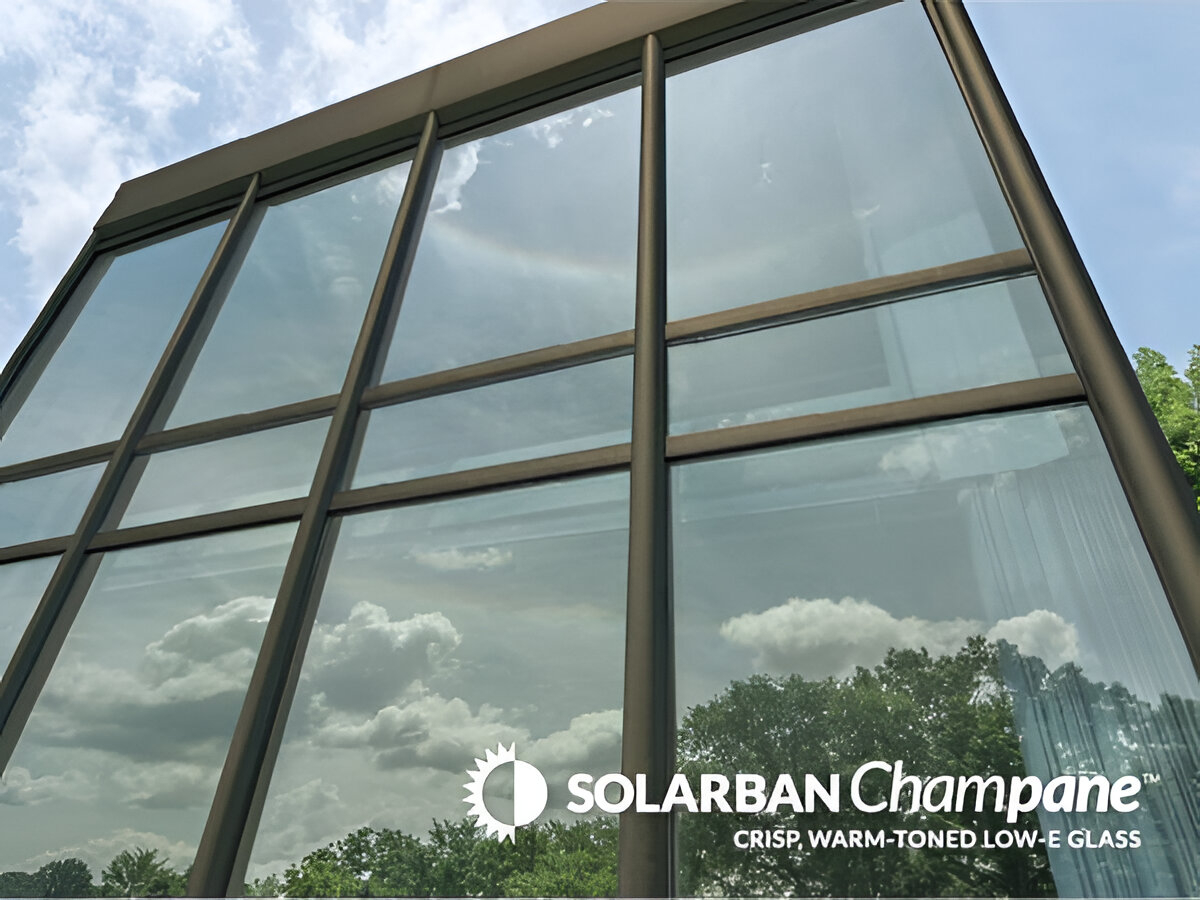
Vitro Architectural Glass has expanded its Solarban® portfolio with the introduction of Solarban Champane™ low-e glass, a new solar-control product developed to meet the growing demand for warm, natural façade aesthetics without compromising performance. Unlike conventional tinted glass, Solarban Champane™ derives its distinctive champagne-toned appearance directly from the low-e coating, marking an industry first in coating-based color development.
The result is a warm-neutral, low-reflective exterior appearance that aligns with contemporary architectural palettes dominated by soft stone, metal, and earth tones. The visual effect remains crisp and controlled, avoiding excessive mirror-like reflectivity while maintaining façade clarity and uniformity across elevations.
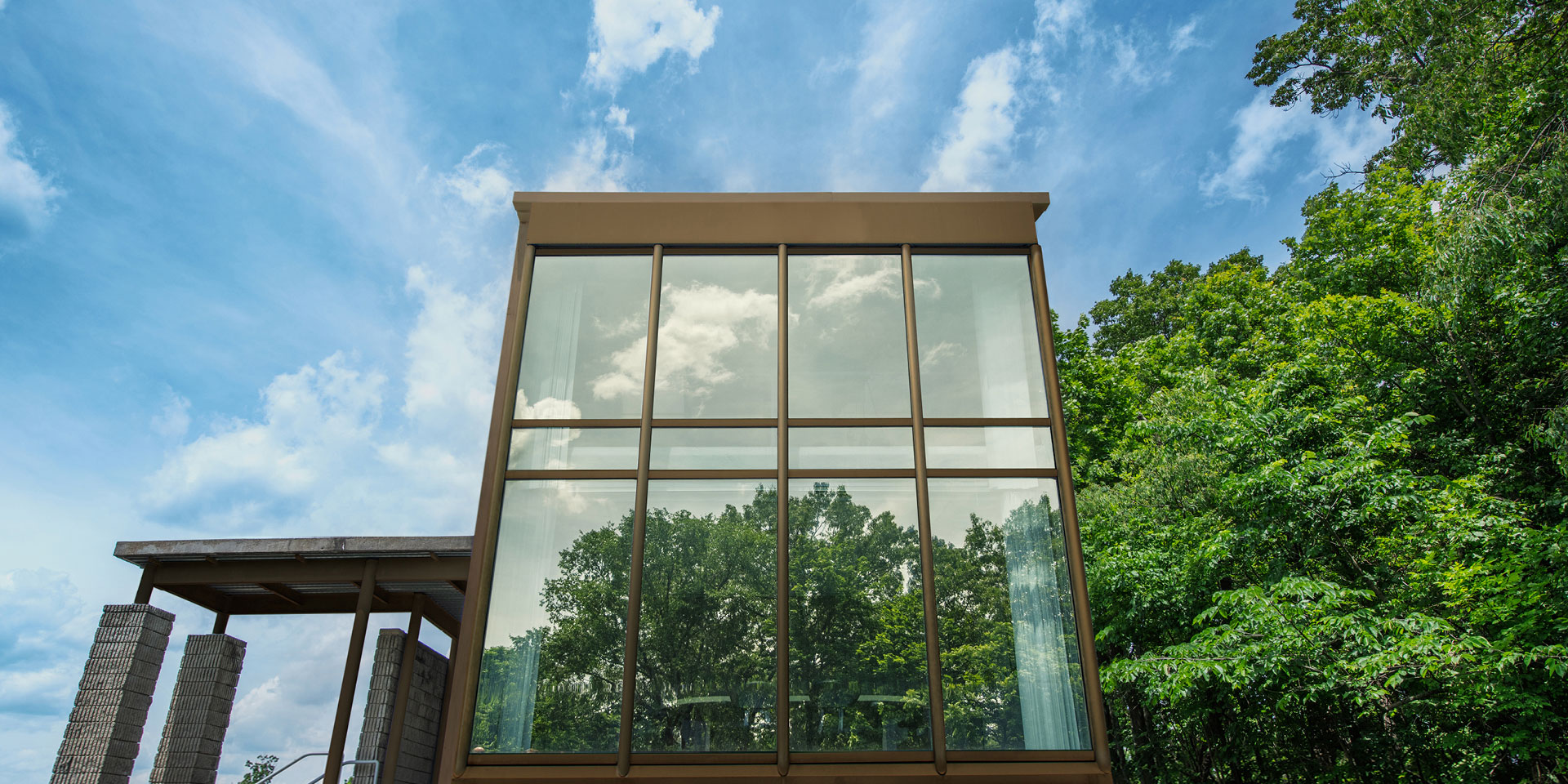
From a performance standpoint, Solarban Champane™ retains the proven solar-control characteristics of the Solarban® family. In a standard insulating glass unit configuration with clear glass, the product delivers a visible light transmittance (VLT) of 45% and a solar heat gain coefficient (SHGC) of 0.24, supporting energy-efficient envelope design and compliance with modern sustainability targets.
Manufactured exclusively at Vitro’s Wichita Falls, Texas facility, Solarban Champane™ is available on clear glass and low-iron substrates, including Starphire Ultra-Clear® and Acuity® glass by Vitro. The company has confirmed that additional tinted substrate options will follow. For large-scale façade applications, the glass can be supplied in oversized dimensions up to 130 × 204 inches, with availability extending to Titan™ glass sizes of 130 × 240 inches. 
By combining coating-driven color control, low reflectivity, and reliable thermal performance, Solarban Champane™ positions itself as a technically refined solution for architects and façade engineers seeking visual warmth without sacrificing solar performance or manufacturing consistency.
Source: Vitro with additional information added by Glass Balkan