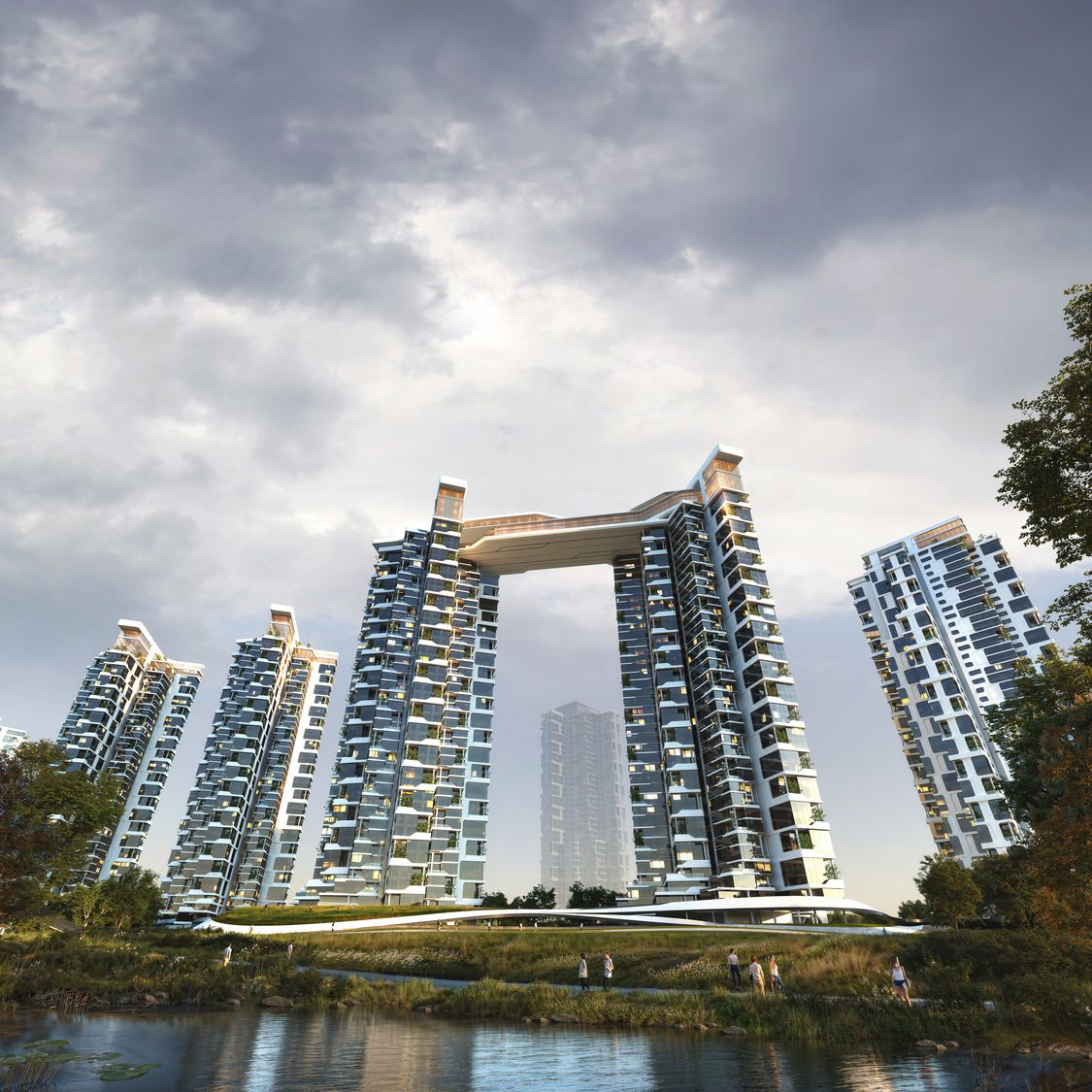
The global smart and sustainable buildings market is undergoing a fundamental shift, with the building envelope emerging as one of the most critical interfaces between architecture, energy performance, and digital intelligence. Between 2025 and 2035, smart windows and adaptive façade systems are expected to move from advanced design options to essential components of high-performance buildings, driven by stricter environmental regulations, rising energy costs, and the demand for measurable carbon reduction.
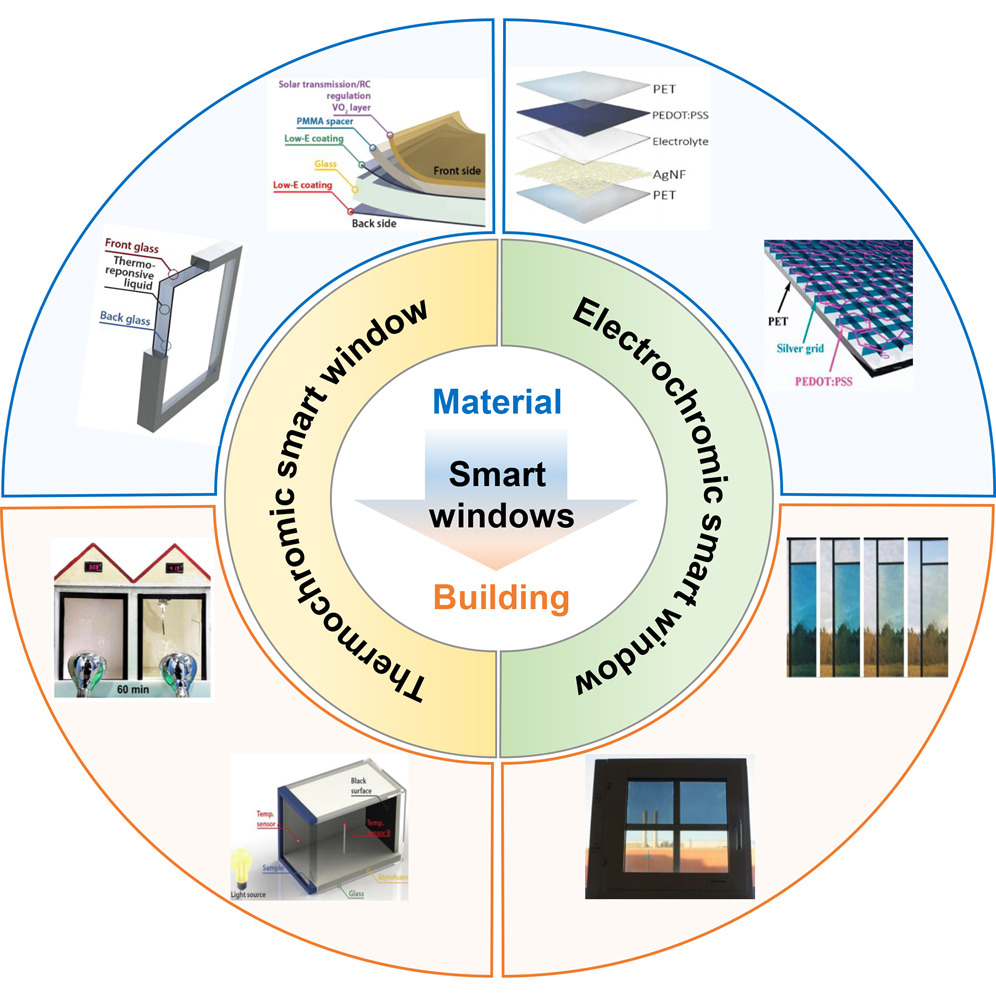
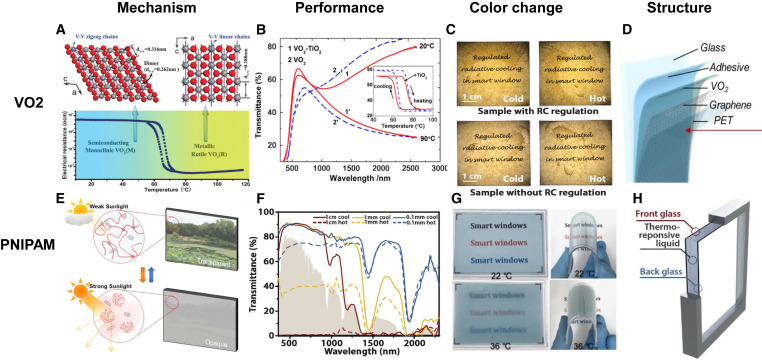
Smart glazing technologies are redefining how buildings manage light, heat, and energy. Electrochromic and thermochromic windows enable dynamic control of solar transmission, allowing façades to respond automatically to external climate conditions and internal comfort requirements. By reducing solar heat gain during peak periods and maximizing daylight availability, smart windows significantly lower cooling loads while maintaining visual comfort and transparency. These systems are increasingly integrated with building automation platforms, enabling real-time optimization based on occupancy patterns, weather data, and energy demand.
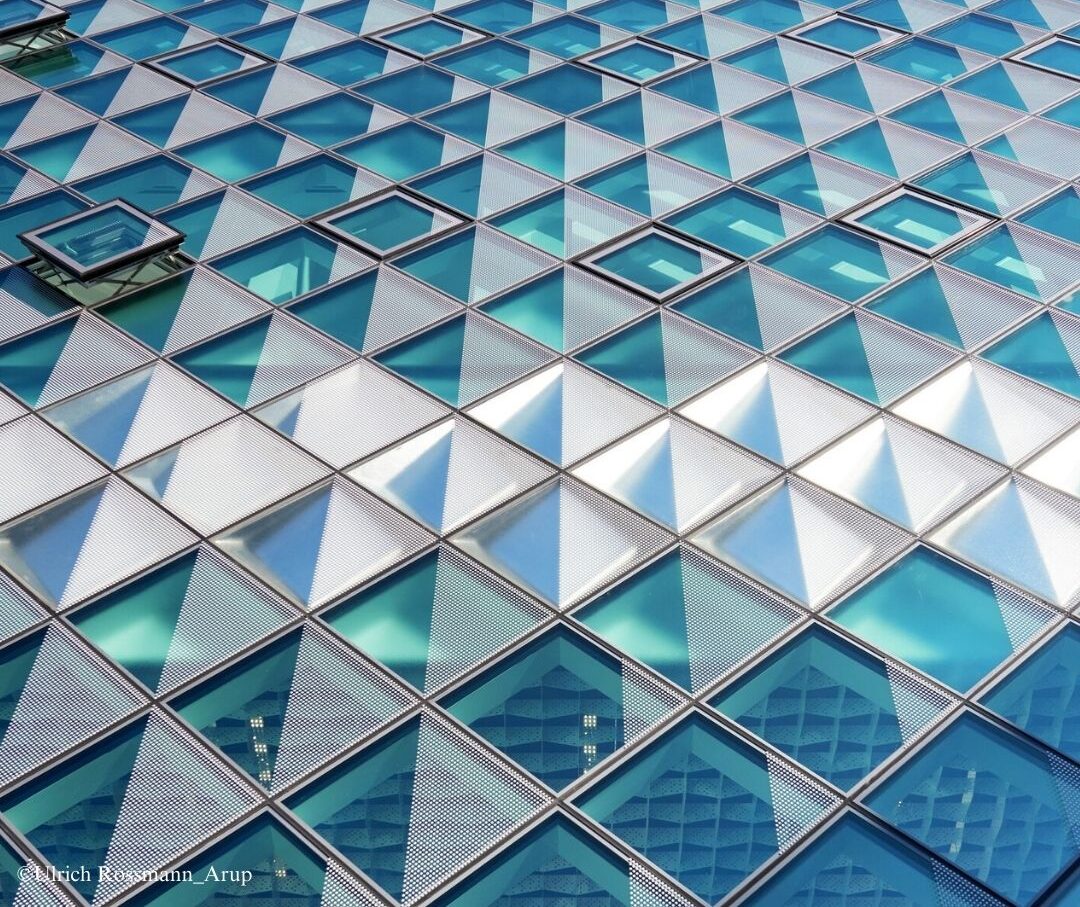
Adaptive façades expand this concept further by transforming the building skin into an active, responsive system. Sensor-driven façade elements adjust shading, ventilation, and transparency in response to environmental conditions, contributing to improved thermal stability and reduced reliance on mechanical systems. As artificial intelligence becomes embedded within building management systems, façade behavior can be predicted and optimized, supporting long-term energy efficiency and operational resilience.
Alongside intelligent façades, renewable energy integration is becoming a defining feature of sustainable building design. Building-integrated photovoltaics, transparent solar glazing, and façade-mounted energy harvesting technologies enable buildings to generate electricity directly through their envelope. When paired with on-site energy storage solutions, these systems allow buildings to balance energy supply and demand, reduce peak loads, and enhance energy independence. 
The convergence of smart windows, adaptive façades, and renewable energy systems marks a shift toward buildings that are no longer passive energy consumers, but active participants in urban energy networks. As smart city initiatives expand, these buildings will increasingly interact with grids, storage systems, and demand-response platforms.
Source: Glass Balkan