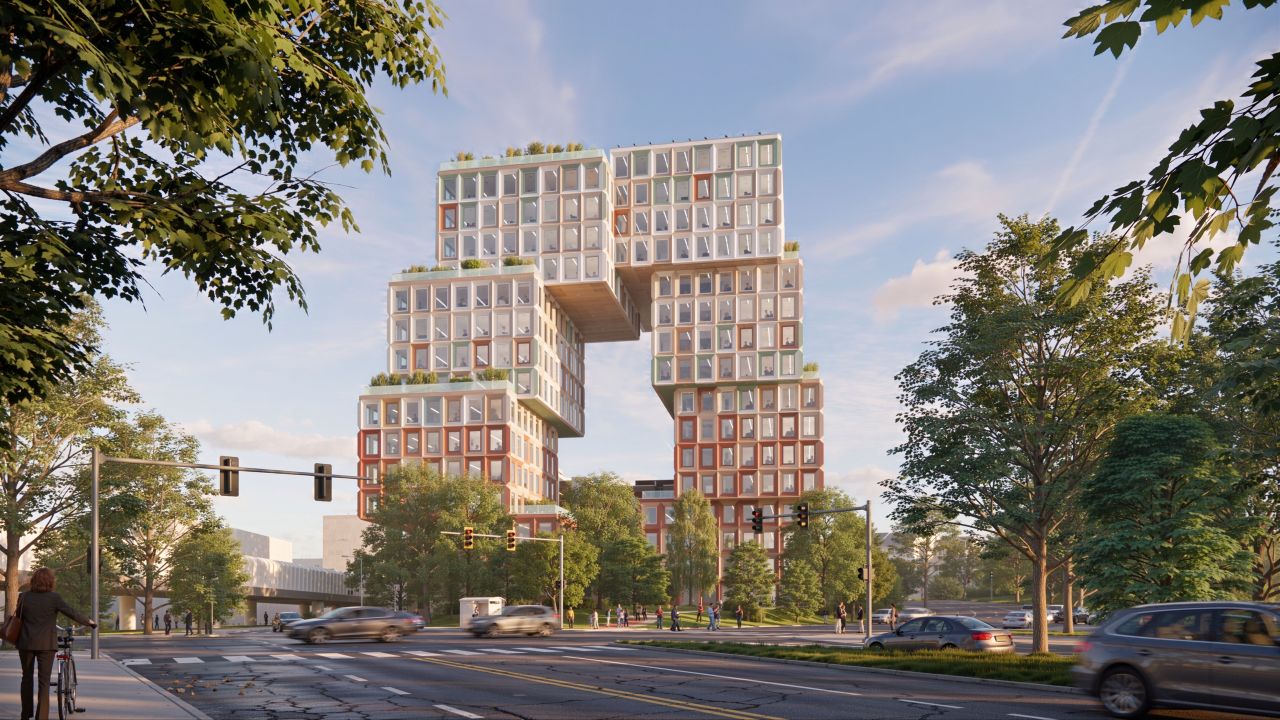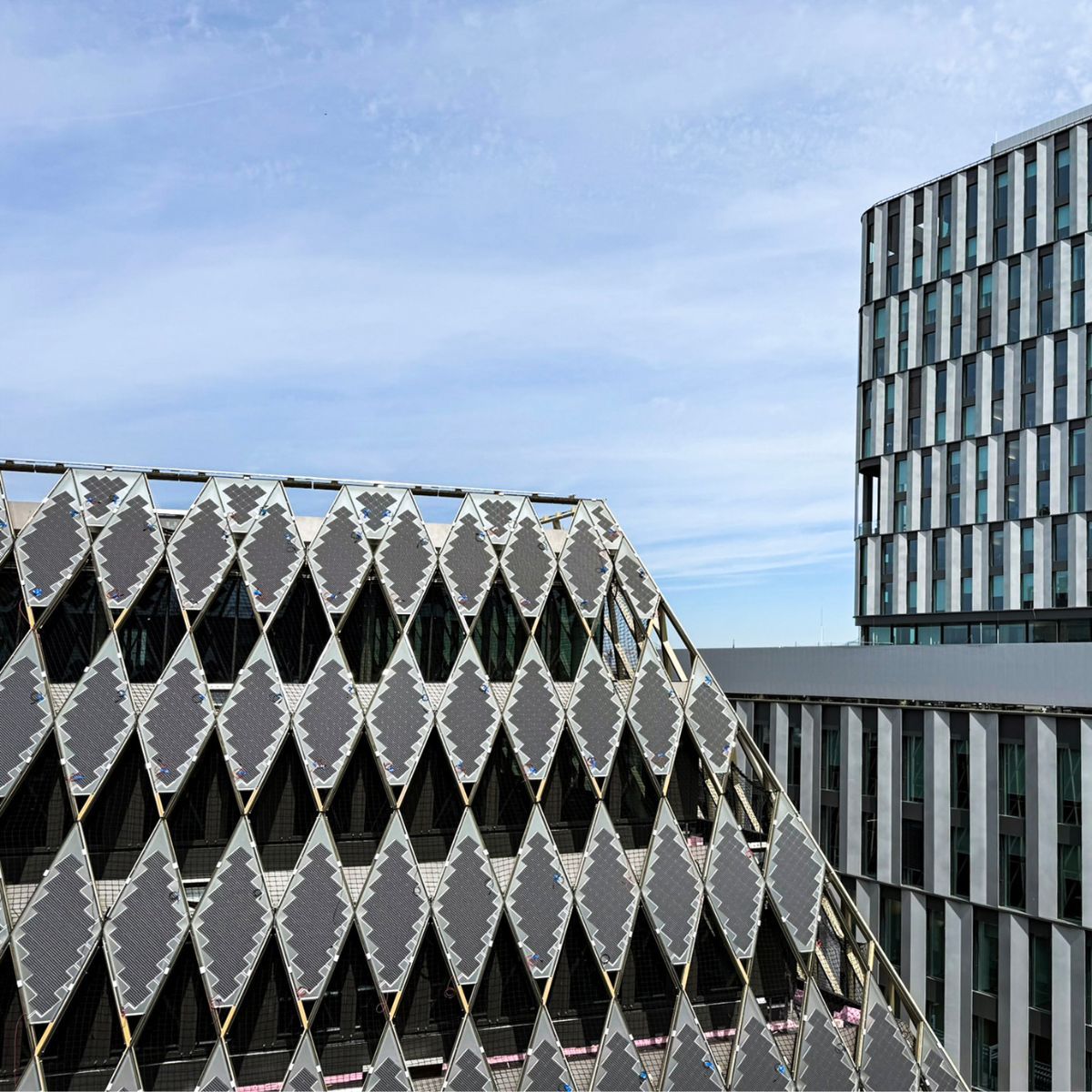
The TOMORROW project in Munich, Germany, demonstrates how building-integrated photovoltaics (BIPV) can combine architectural design with on-site renewable energy generation. Developed for Stadtsparkasse München, the project incorporates photovoltaic façade solutions manufactured by Polish technology company ML System S.A.
Rather than treating solar panels as separate technical installations, the project integrates electricity-generating elements directly into the building envelope. The photovoltaic façade becomes part of the architectural expression while also contributing to the building’s energy production.
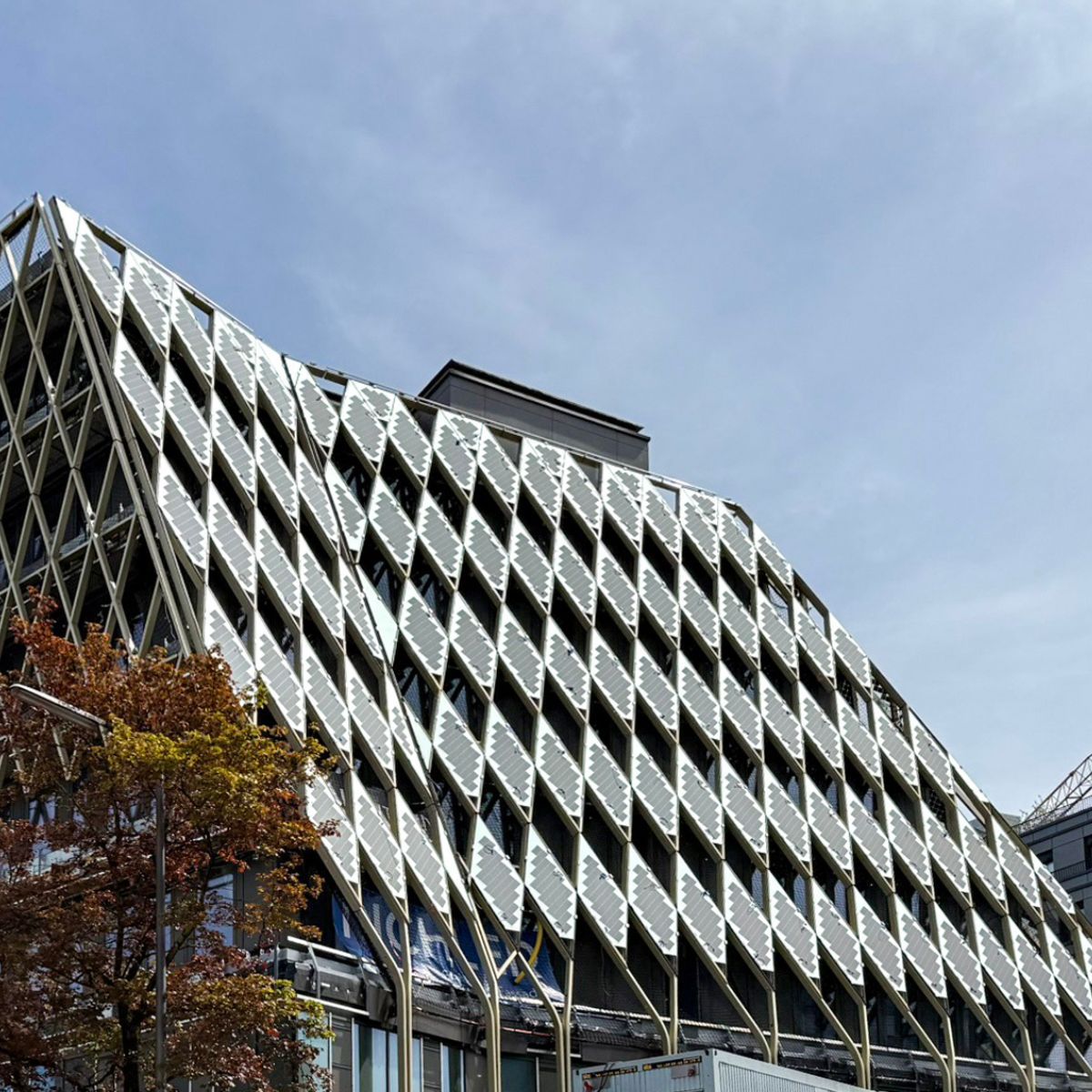
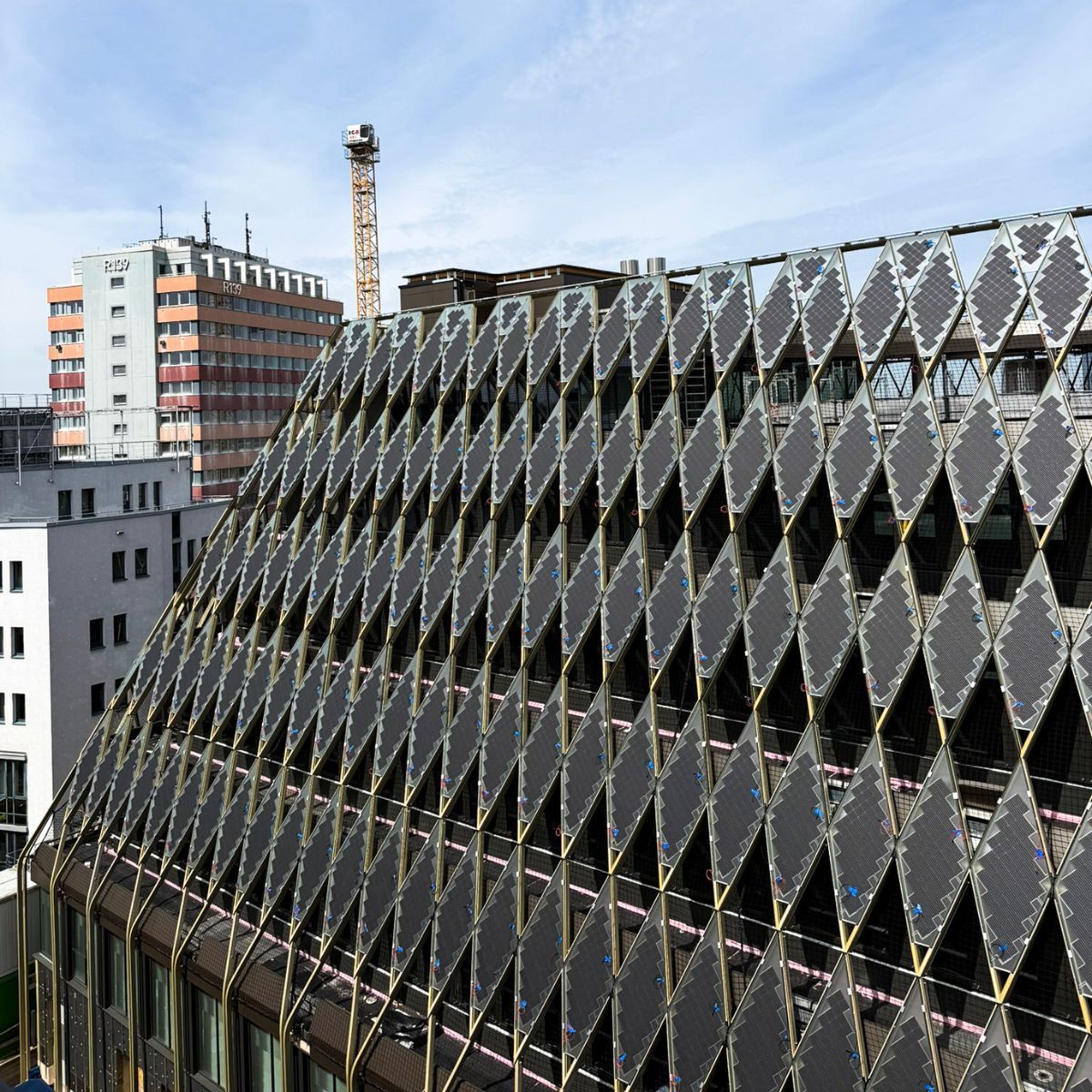
The approach reflects the growing role of BIPV in commercial construction, where façades are increasingly considered potential surfaces for renewable energy generation. By incorporating photovoltaic technology into the building envelope, developers can make use of vertical surfaces that would otherwise serve primarily as weather protection and architectural cladding.
According to ML System, its solutions were selected with particular attention to certified safety, environmental performance and architectural integration. The company also highlights their alignment with the Cradle-to-Cradle concept, which promotes circular approaches to material use and resource management. 
The TOMORROW project brings together several companies involved in its development, including Falk Von Tettenborn Architects and PICHLER projects, alongside ML System’s photovoltaic technology.
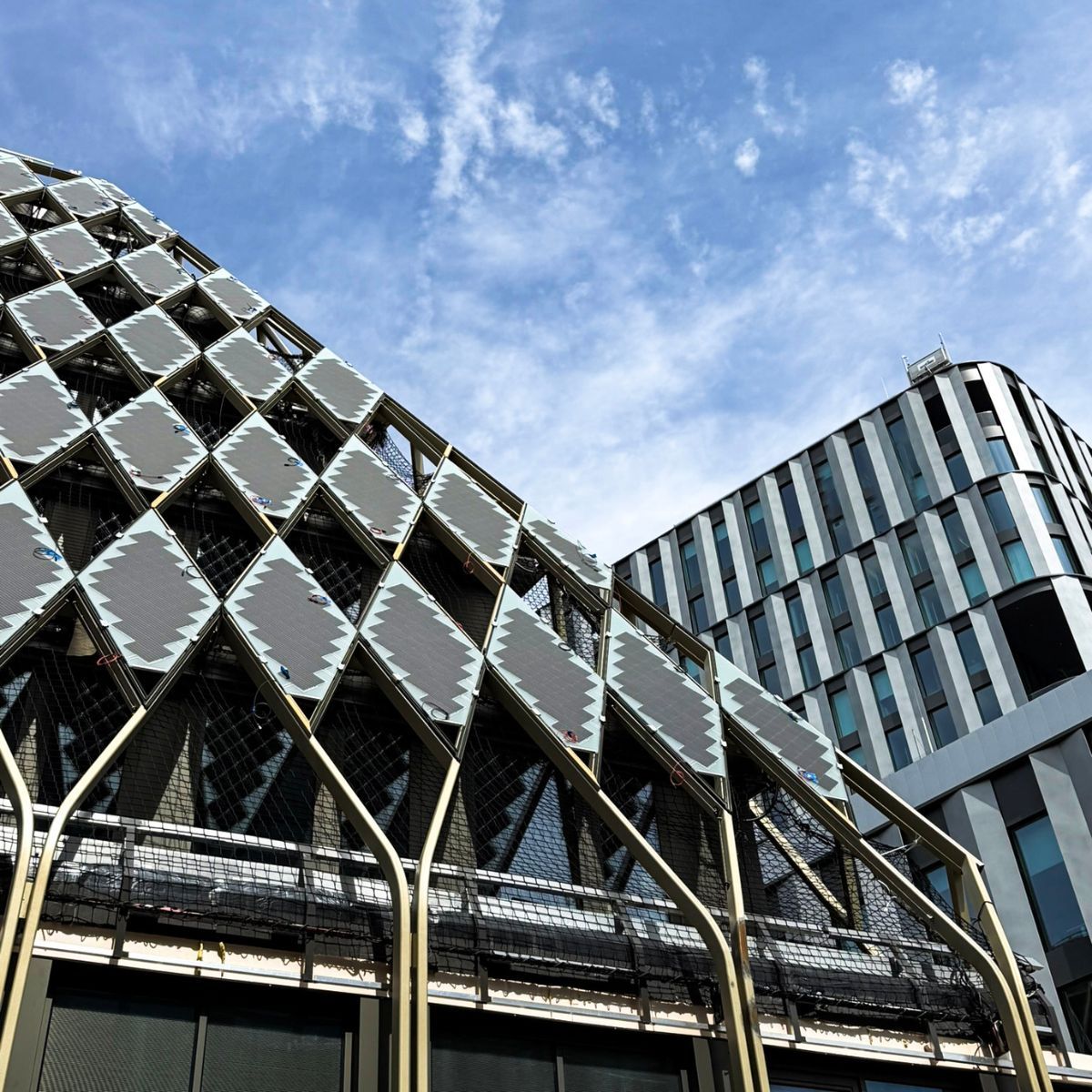
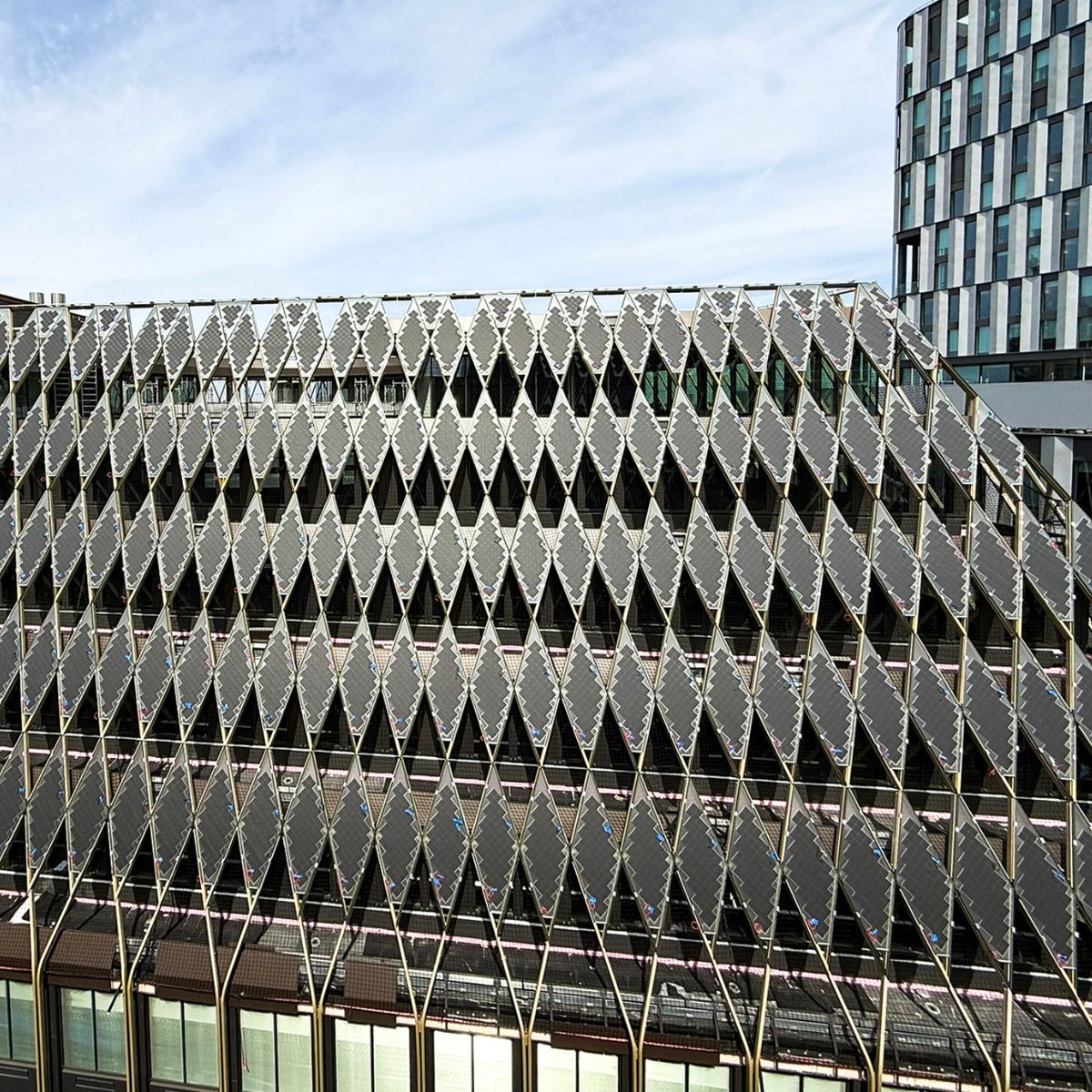
For commercial buildings, particularly those occupied by financial institutions and other organisations with sustainability commitments, BIPV offers an opportunity to connect building design with operational energy objectives. Its application, however, depends on factors such as façade orientation, available surface area, system efficiency and the building’s overall energy requirements.
With the TOMORROW project, Munich gains another example of how photovoltaic technology can become an integrated component of contemporary commercial architecture, moving beyond conventional rooftop installations to make the building envelope an active part of energy generation.
Source: ML System with additional information added by Glass Balkan