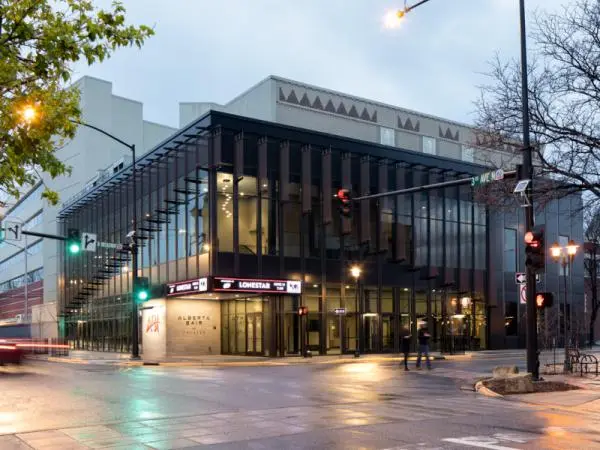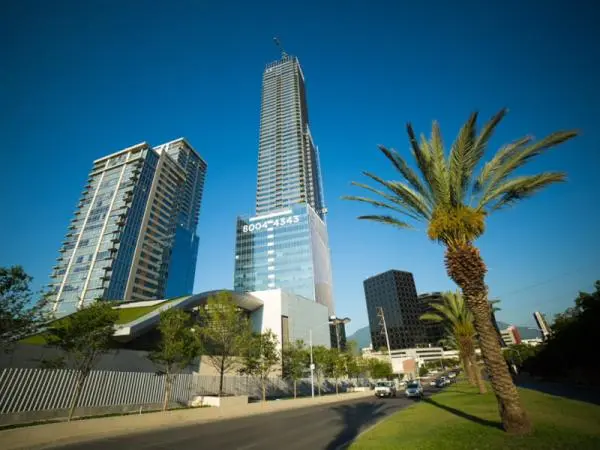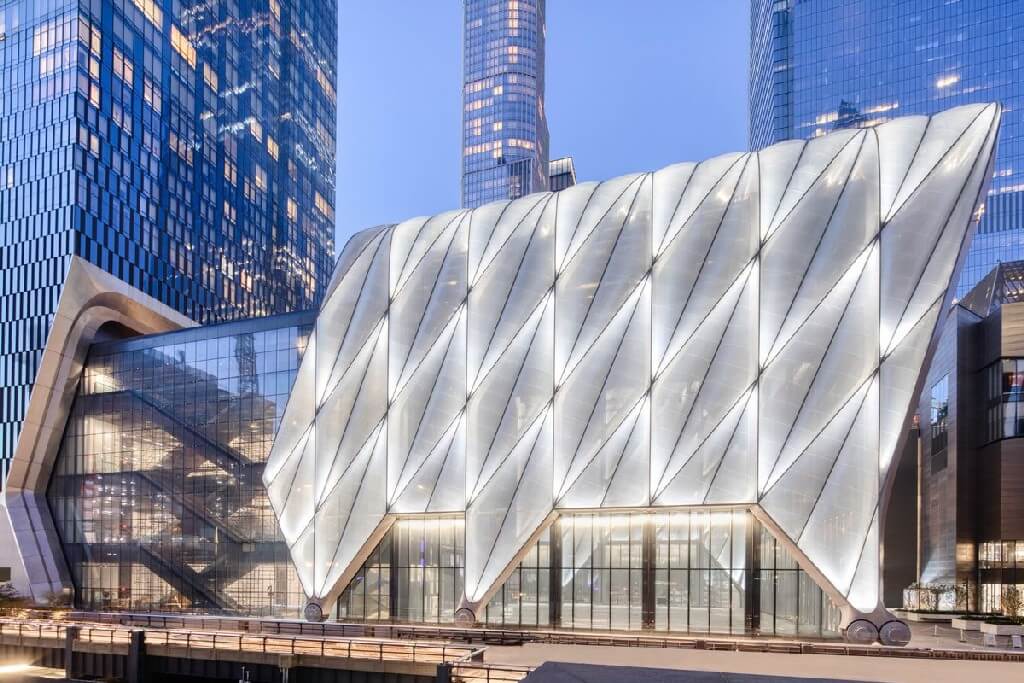
This week’s architecture news shared a common thread: buildings, and the institutions behind them, are being asked to serve collective needs, respond to a warming planet and make more room for the public.
The Lisbon Architecture Triennale has chosen CO-OP as the theme of its 2028 edition. Chief Curator Joaquim Moreno frames cooperation as a lens on housing, production, ownership, governance and shared ways of living. His programme will trace how collective action shapes the way space is produced and used, moving from domestic arrangements outward to labour, landscape and the common good.
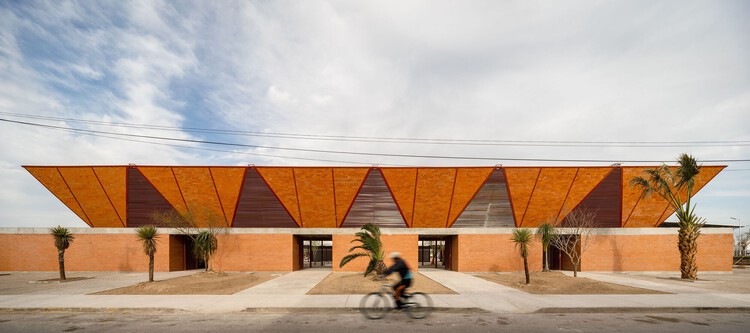
Portugal also honoured a practice across the Atlantic. Mexico’s COLECTIVO C733 became the first winner of the Siza Award for Public Architecture, established by the Serralves Foundation to recognise architectural generosity and engagement with public space. Its markets, cultural facilities, transport stations and public landscapes across Mexico, from Tapachula Station to Matamoros Market, show how civic buildings can anchor community life.
At COP31 in Antalya, the Turkish Presidency launched the Antalya Compact for Energy Efficient Buildings, a voluntary framework aiming to cut the operational energy intensity of the world’s building stock by 25 percent by 2035, compared with 2020 levels. Developed with UNEP’s Global Alliance for Buildings and Construction, it sets out strategies for renovation, lower energy demand, efficient electrification and better building performance. 
Delegates also discussed how national climate pledges can become local investment in housing, infrastructure and adaptation. The Sustainable Urban Resilience Financing Facility (SURFF) was presented as a way to connect cities with funding and technical support. Yet the wider summit stalled: disputes over fossil fuels and climate finance blocked the proposed Antalya Pact.
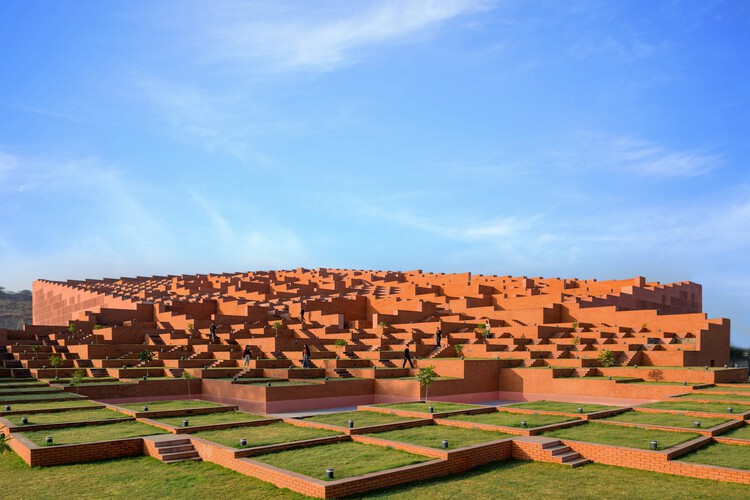
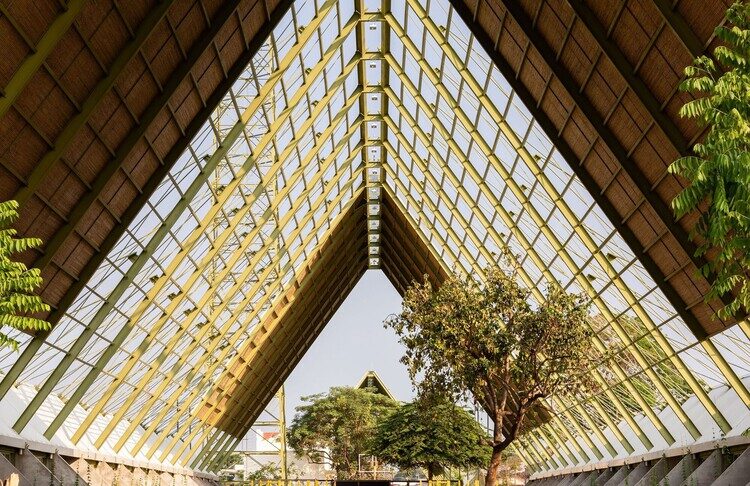
Environmental thinking also shaped the 2026 World Architecture Festival. World Building of the Year went to The Prestige University in Indore, India, by Sanjay Puri Architects, whose stepped form recalls Indian stepwells while courtyards draw daylight deep inside. A small Philippine tea shop, &Matcha Three Yards by MLA at Home, took World Interior of the Year. Terreform ONE’s Coding Kelp was named Future Project of the Year, and Natureza Urbana’s Doca Linear Park in Brazil won Landscape of the Year.
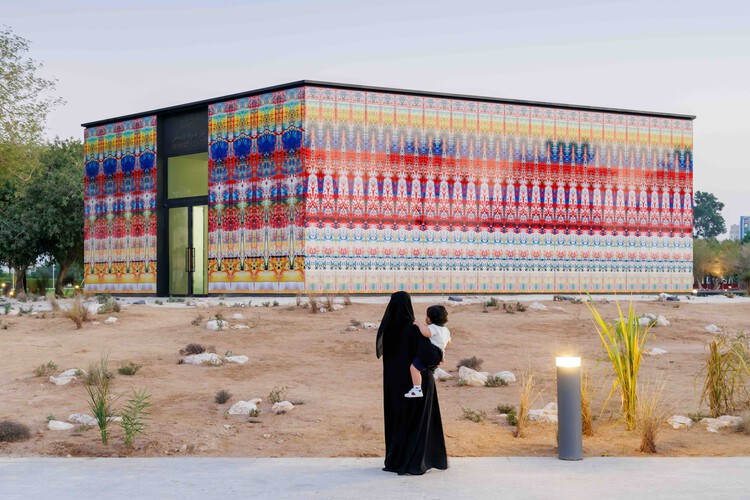
Three cultural projects underline architecture’s public role. In Doha, Qatar Museums unveiled a permanent hexagonal pavilion for Gerhard Richter’s work, designed with Selldorf Architects in MIA Park, outside the Museum of Islamic Art. It holds his paintings and sculptures, including a new work made for the space, and its six walls carry patterns that echo the geometry of Islamic art.
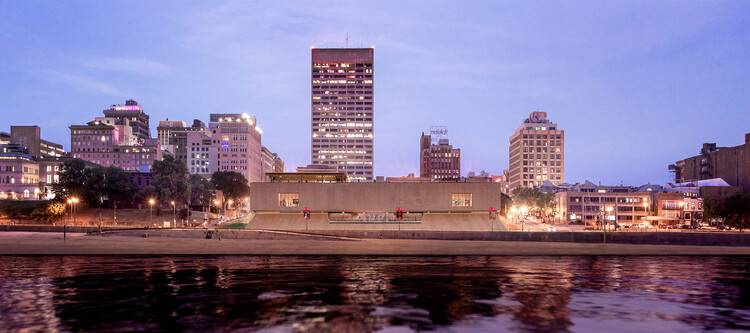
In Memphis, Herzog & de Meuron’s mass-timber Memphis Art Museum opens on December 6 beside the Mississippi, with archimania as architect of record. It adds 50 percent more gallery space, six times the free public area and a 50,000-square-foot rooftop art park. The opening programme features more than 150 photographs from the Hooks Brothers Studio documenting Black life in the urban South.
In Tulsa, the Gilcrease Museum will reopen in March 2027 after six years, in a SmithGroup building designed in consultation with the Osage Nation. It will house more than 300,000 objects spanning 12,000 years of art and culture across the Americas, on a 460-acre campus linked to 14 miles of hiking and biking trails. Founded in 1949 by Thomas Gilcrease, a citizen of the Muscogee (Creek) Nation, the museum now enters a new phase.
Taken together, these stories suggest that architecture is measuring success less by the singular object and more by what it shares: the cooperative, the efficient and the openly accessible.