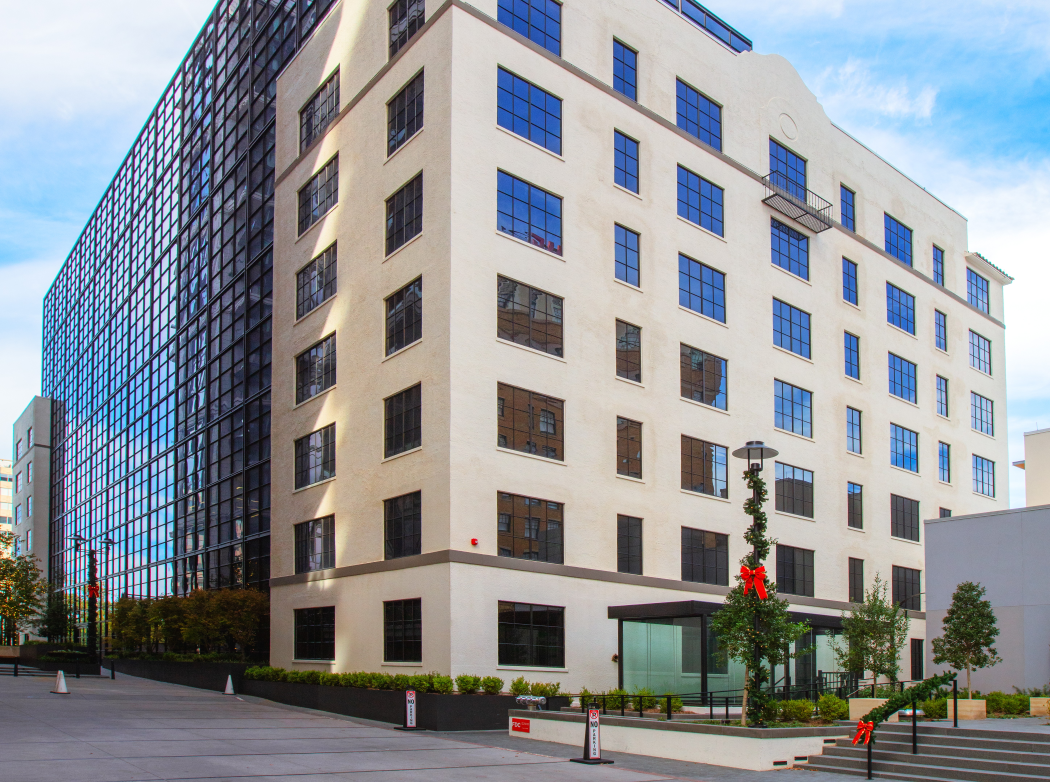
A century-old landmark in Dallas has been reborn through a carefully balanced fusion of historic preservation and contemporary façade engineering. Originally completed in 1925 as the Maple Terrace Apartments, the iconic Mission Revival–style building has undergone an extensive adaptive-reuse transformation led by 5G Studio Collaborative, evolving into a nine-story boutique office destination while preserving its architectural legacy.
Once known as Dallas’ tallest residential address and a gathering place for cultural icons such as Judy Garland and Elvis Presley, the building has now been repositioned as a modern mixed-use development. The redevelopment introduces approximately 150,000 sq. ft. of office and restaurant space through a sensitive insertion of new volume within the historic structure.
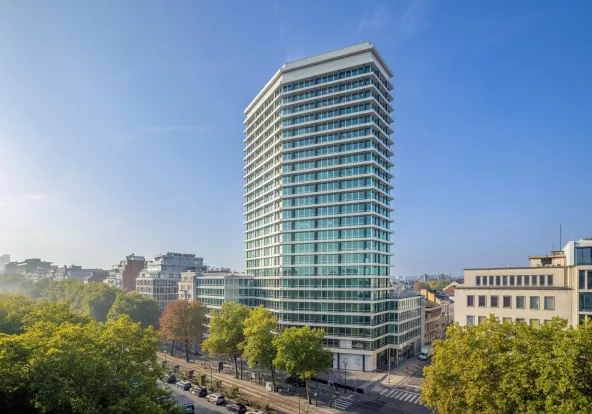
A defining aspect of the project is the extensive use of high-performance glazing. The design integrates a new two-story curtain wall system, a large moveable glass wall on the eighth floor, and a double-height glazed entrance, creating transparency while opening interior spaces toward landscaped deck gardens and rooftop terraces.
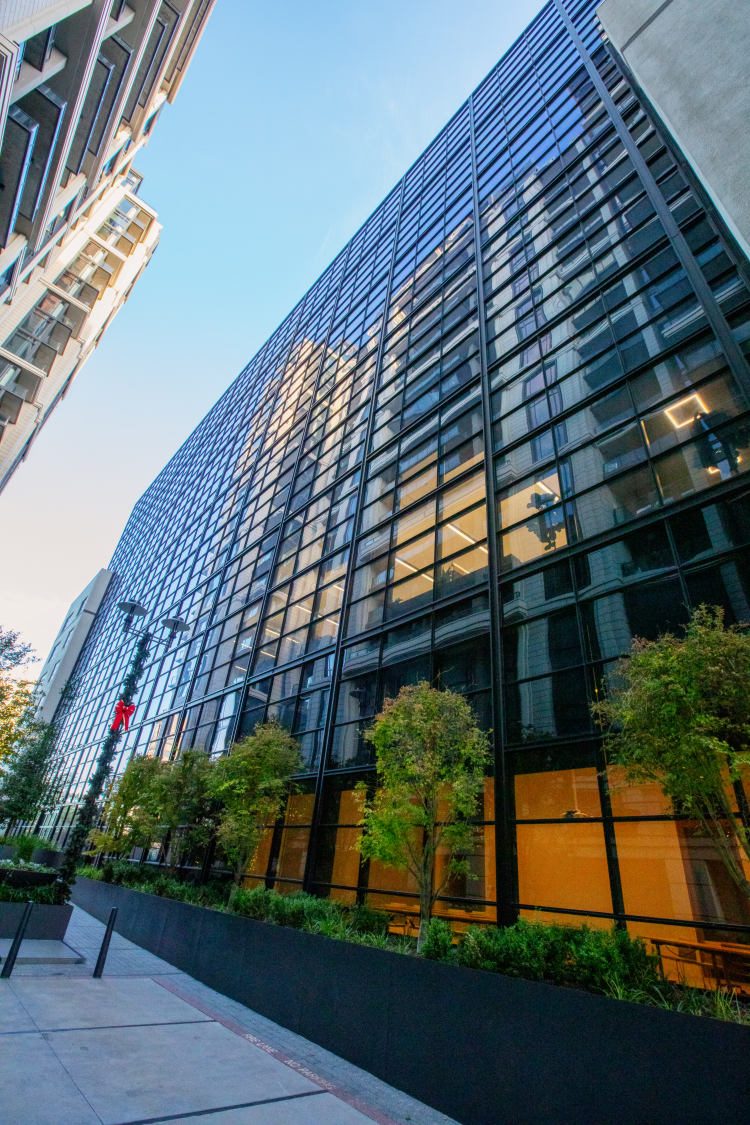
According to project principal Christine Robbins-Elrod, the goal was to establish a dialogue between old and new: the modern glass addition complements the original Mission Revival architecture while clearly expressing the building’s new office identity. 
The office tower incorporates Solarban R100 Solargray glass from Vitro Architectural Glass, selected following detailed energy modelling. The glazing combination delivers a low solar heat gain coefficient (SHGC) of 0.17, helping reduce glare and improve occupant comfort while supporting overall energy-efficiency goals.
Beyond performance metrics, façade orientation also played a strategic role. The building’s northeast-facing elevation minimizes direct solar exposure, while an adjacent residential tower provides additional shading to the southwest curtain wall for much of the day. This integration of architectural massing and glazing performance reinforces the project’s environmental strategy without compromising visual clarity or historic context.
Inside, the adaptive reuse creates open office levels with high ceilings, rooftop lounge spaces and enhanced indoor-outdoor connectivity enabled by movable glass systems. The result is a contemporary workplace that blends heritage preservation with modern building-envelope technology, demonstrating how advanced glazing can unlock new life for historic urban assets.
Source: USGlassMag with additional information added by Glass Balkan