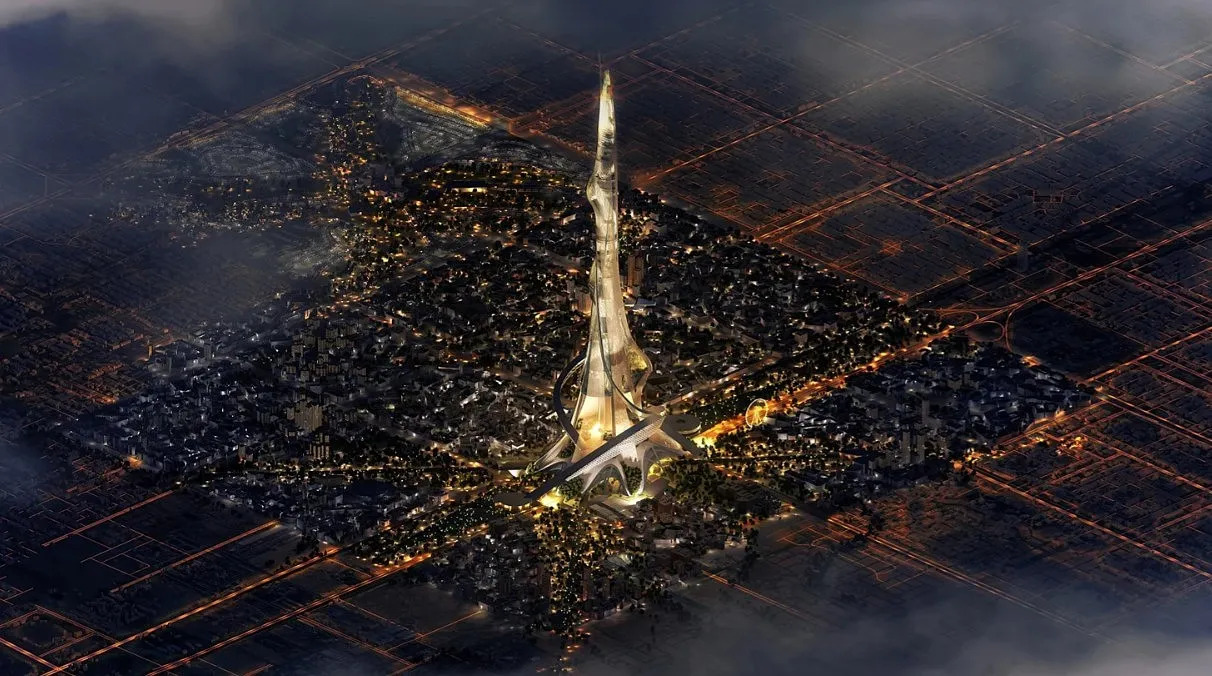
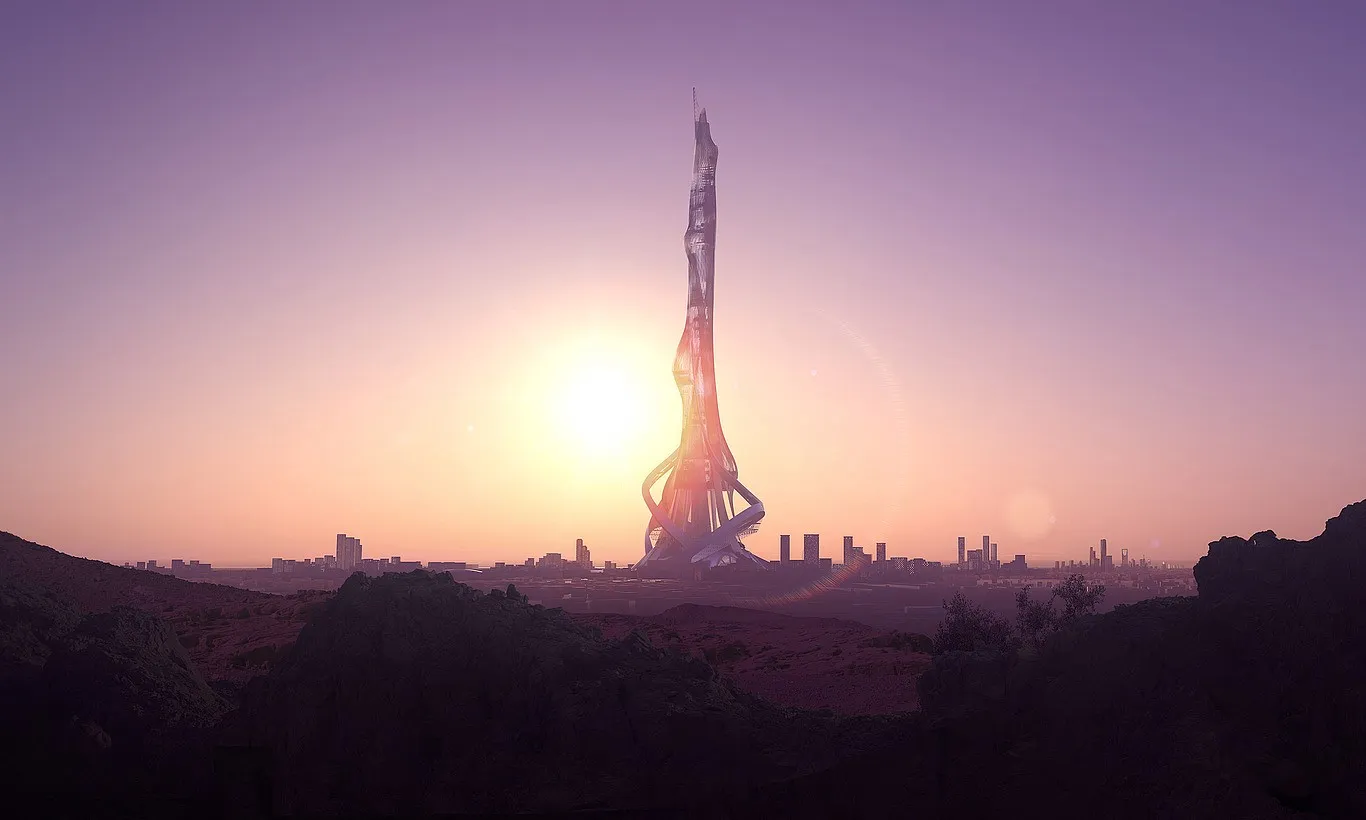
Planned for Riyadh and backed by Saudi Arabia’s Vision 2030, Rise Tower represents one of the most radical high-rise proposals ever announced. With a confirmed target height of approximately 2,000 metres and a reported 678 floors, the project is positioned to become the tallest building in the world, establishing a new category within the global skyscraper landscape: the super-supertall.
Although detailed façade specifications have not yet been officially disclosed, the scale of Rise Tower places the building envelope at the centre of its architectural and engineering identity. At extreme heights, the façade is no longer a passive outer layer but a critical performance system, required to respond simultaneously to structural movement, wind pressure, thermal loads and solar exposure. In Riyadh’s desert climate, this challenge becomes even more pronounced.
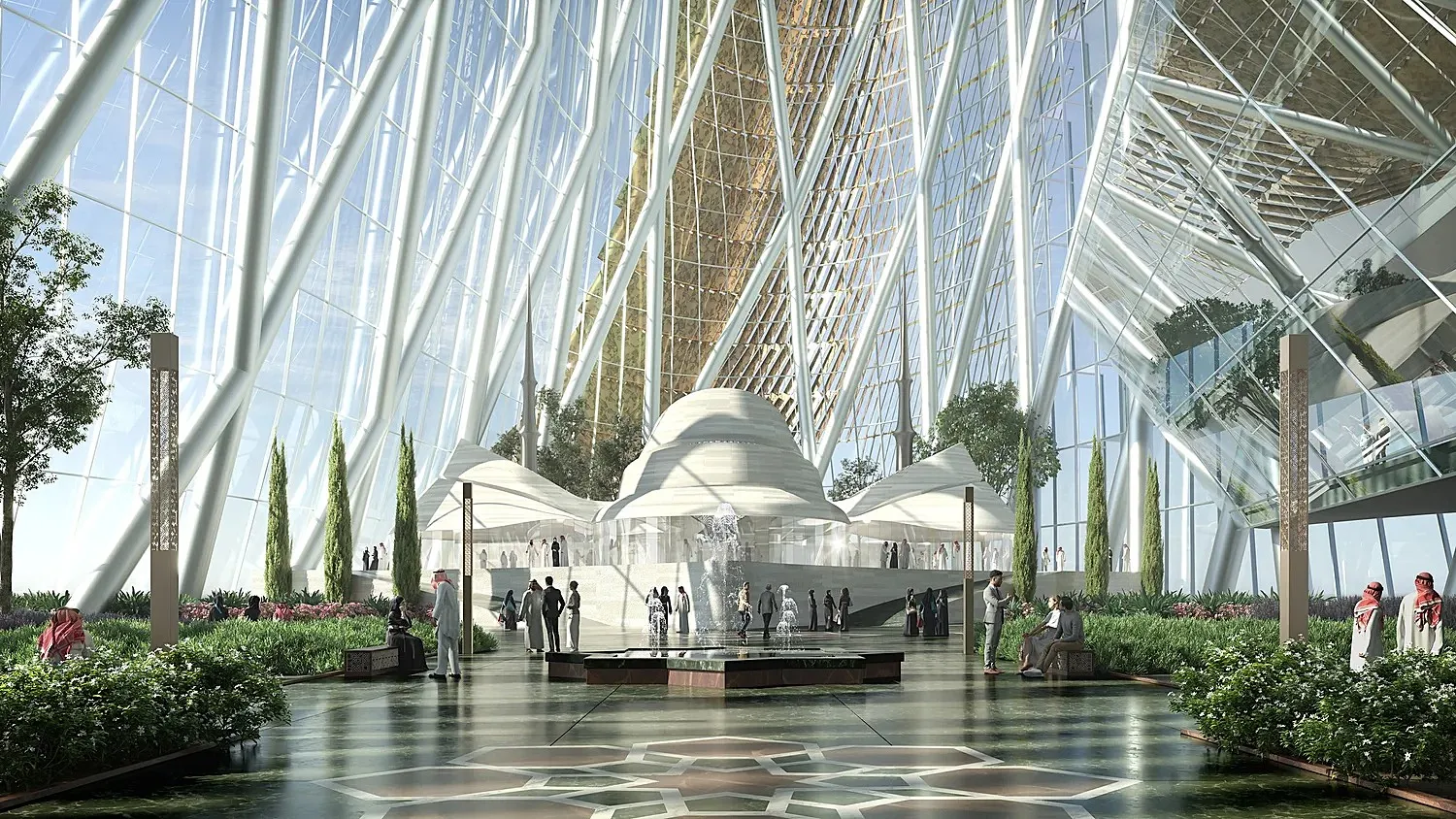
The tower is planned as a mixed-use vertical city, incorporating hospitality, commercial, residential and observation functions. Such programmatic diversity requires a façade strategy capable of adapting to varying performance demands across height zones, including daylight control, solar protection, acoustic performance and long-term durability. At this scale, façade modularity, precision manufacturing and advanced installation logistics become decisive factors for feasibility.
Rise Tower is associated with internationally recognised design practices Foster + Partners and HKS Architects, both known for delivering complex high-rise projects where glass façades play a defining role in architectural expression and environmental control. The building’s envelope is therefore expected to serve as both a visual landmark and a technical interface between structure, climate and interior comfort. 
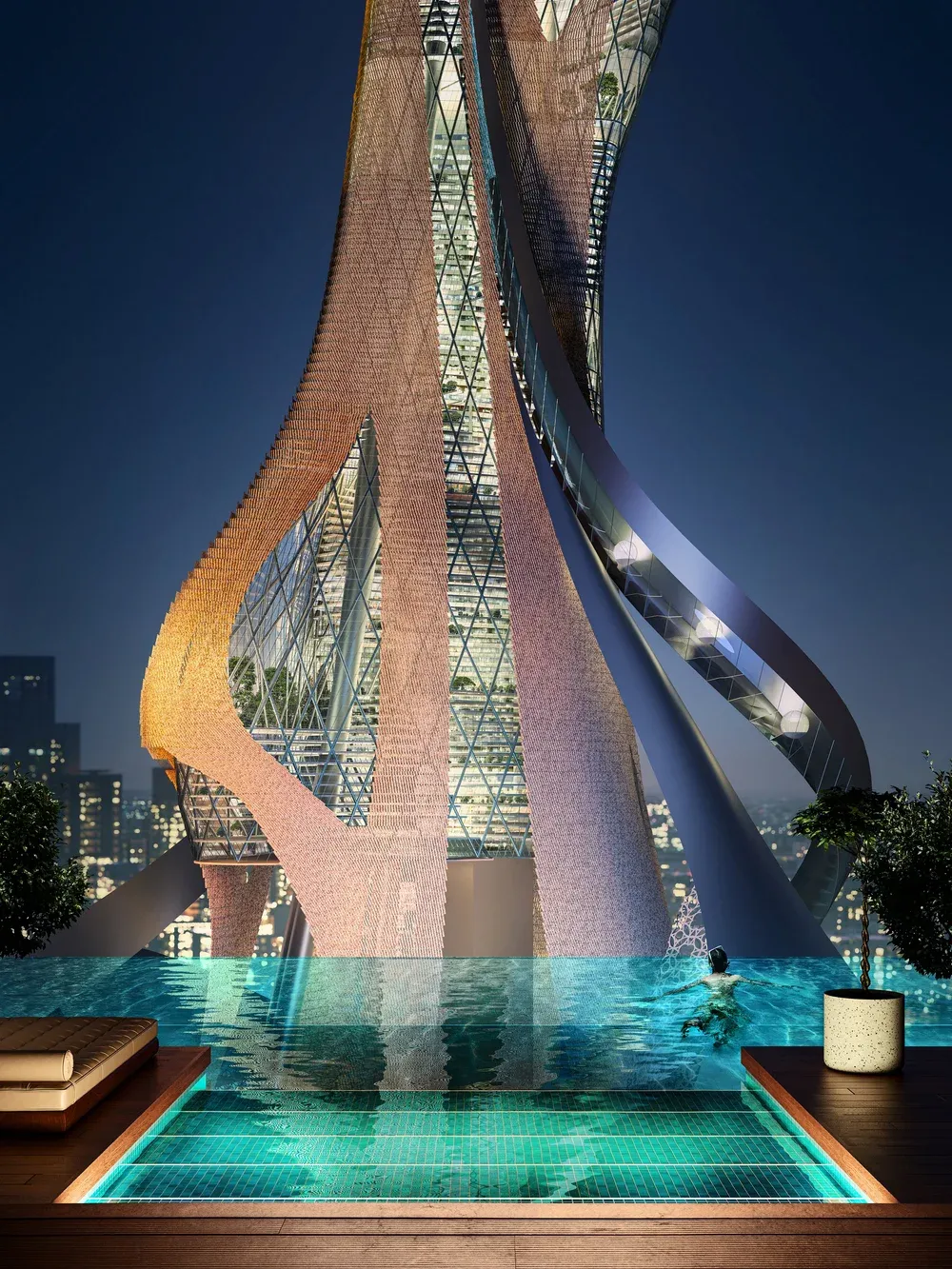
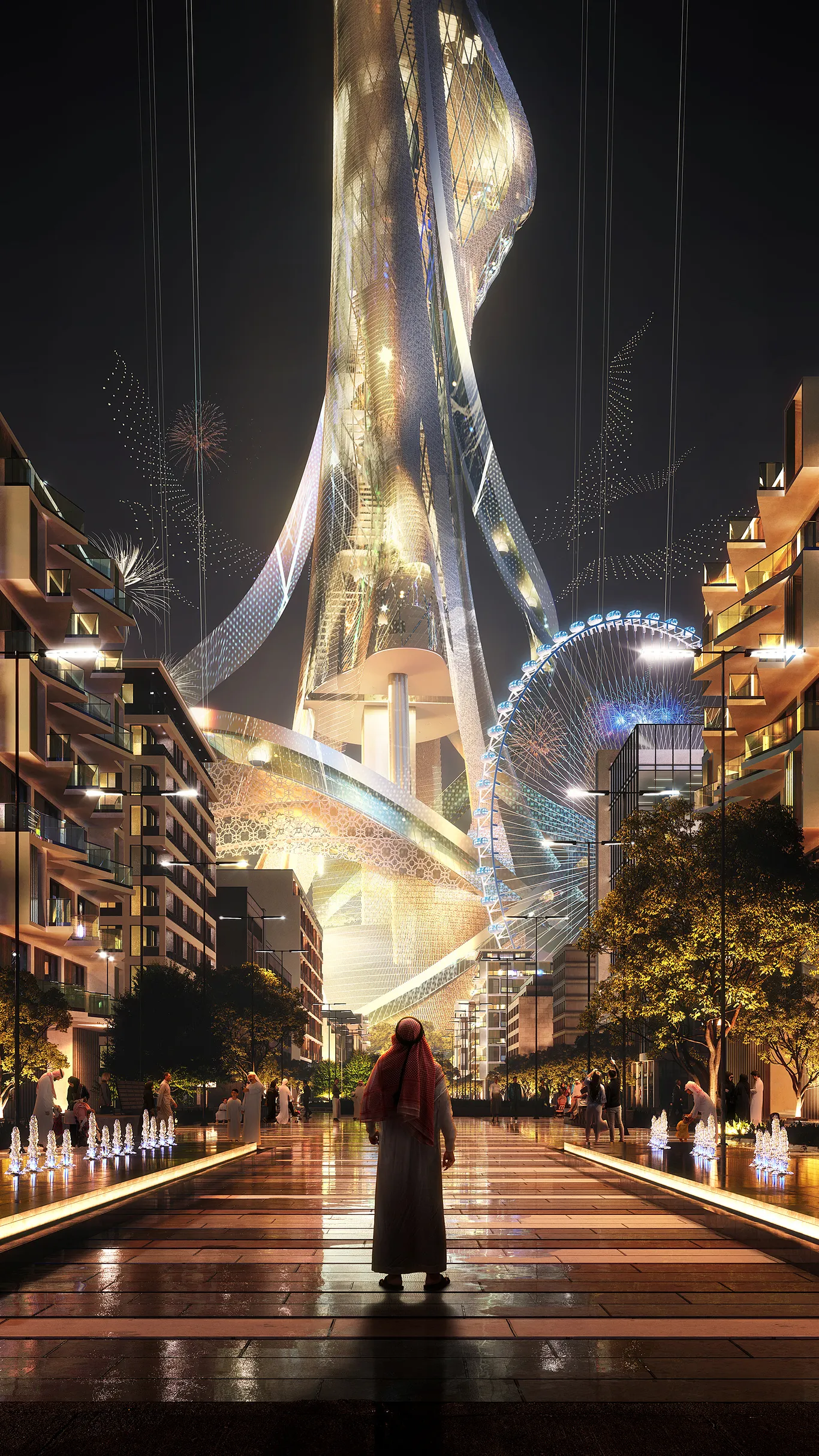
For the glass and façade industry, Rise Tower signals a future where unitised curtain wall systems, high-performance glazing and integrated façade engineering are pushed to unprecedented limits. It challenges manufacturers, façade contractors and engineers to rethink material performance, system tolerance and long-term maintenance at heights never before attempted.
As planning progresses toward a projected construction start later in the decade, Rise Tower stands as a global reference point for the next evolution of façade technology in extreme vertical architecture.
Source: Glass Balkan