Around the world, railway and metro stations are being reimagined as civic landmarks rather than mere transit points. Recognised by the prestigious Prix Versailles, these seven stations stand out for their architectural ambition, spatial drama and integration of advanced materials. Notably, two of them incorporate high-performance glazing solutions by Tvitec | Cricursa, demonstrating how glass technology is shaping the future of mobility infrastructure.
1. Saint-Denis–Pleyel Station – Saint-Denis, France
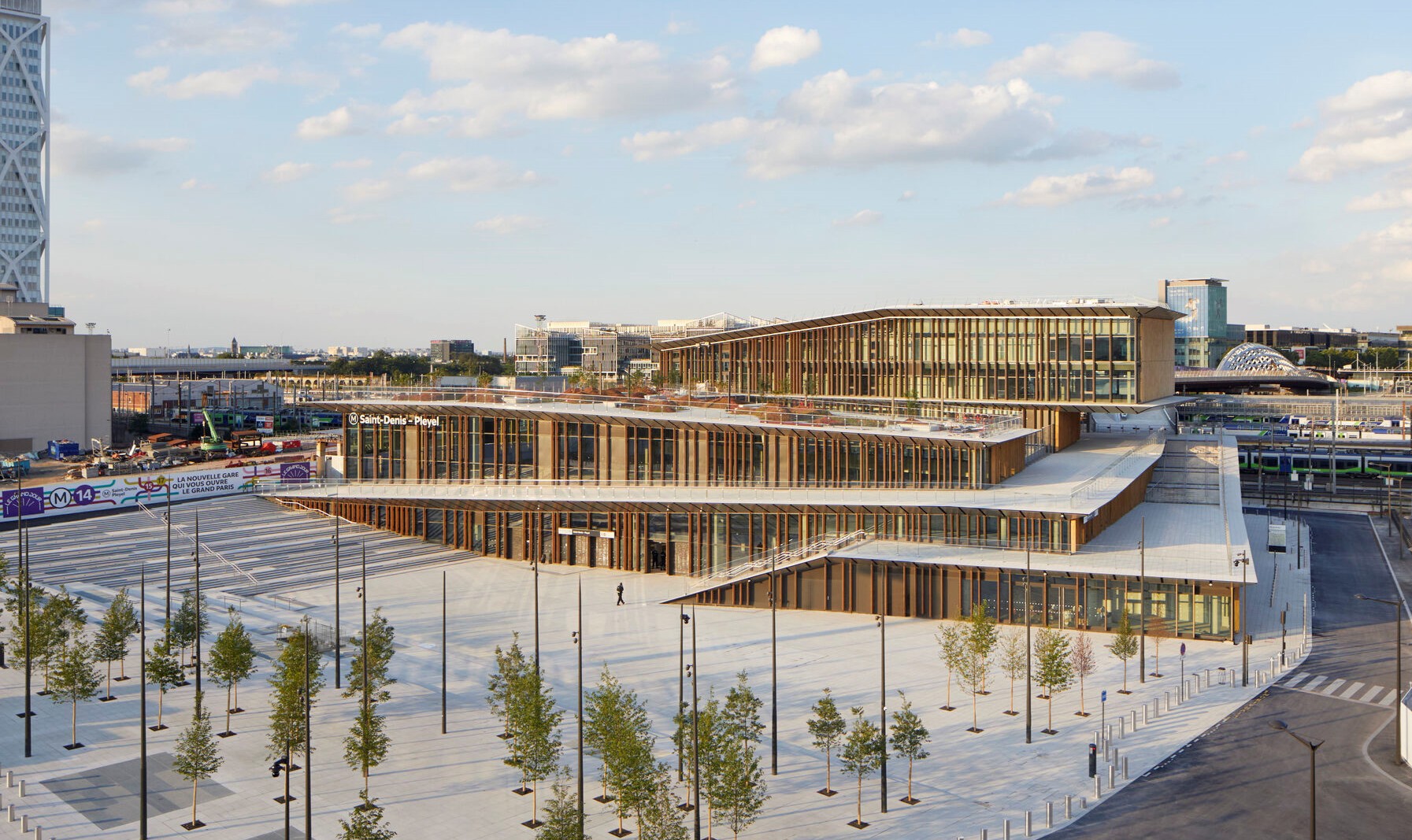
Designed by Kengo Kuma, this landmark station is defined by its sculptural “play of folds” and a dramatic atrium that channels daylight 28 metres down to the platforms. More than 3,000 m² of double insulating glazing, largely laminated with acoustic interlayers, were installed, incorporating Sunguard SN 70 selective coatings for optimal solar control and energy efficiency. Tvitec supplied high-performance glass solutions for façade specialist Frener & Reifer and contractor Bexis. Clad in wood and glass, the nine-storey station (four levels underground) serves approximately 250,000 passengers daily.
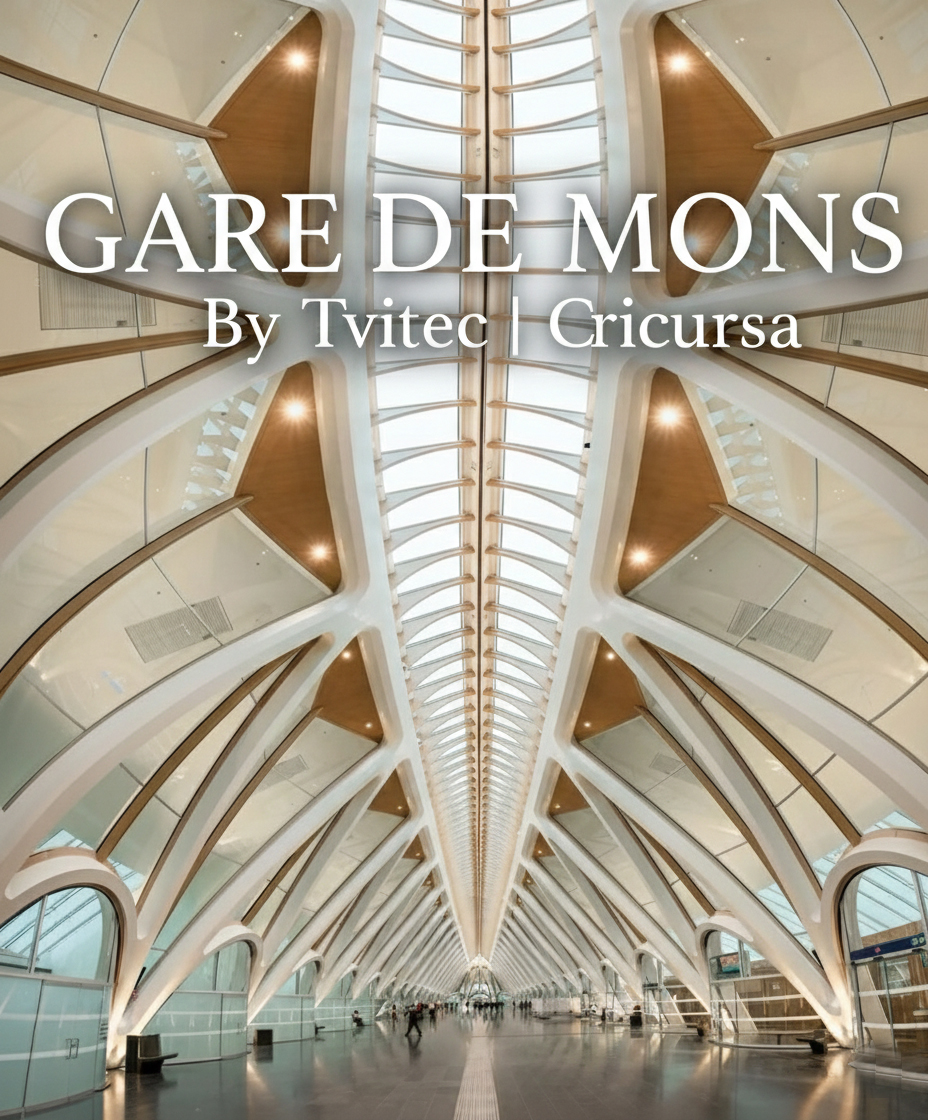
2. Mons Station – Mons, Belgium
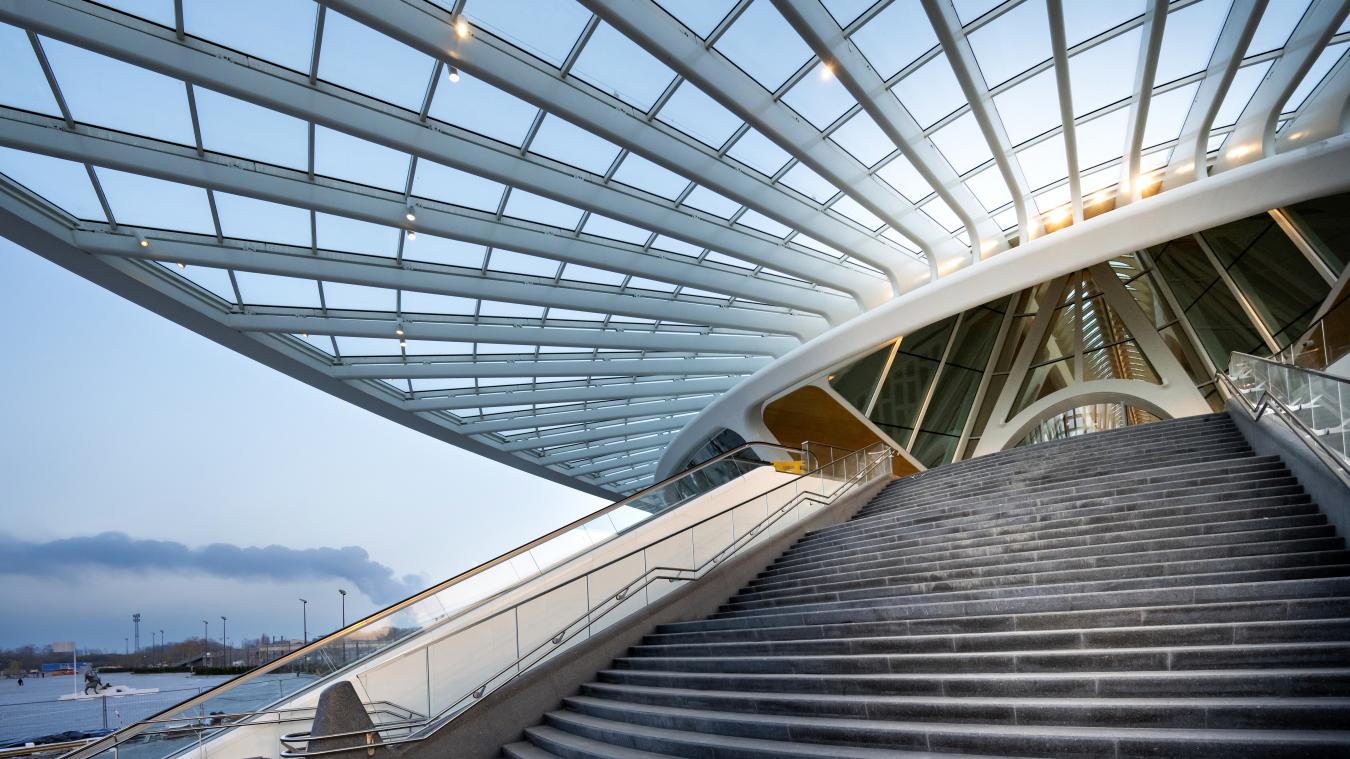
The 165-metre-long cathedral-like gallery designed by Santiago Calatrava is a luminous white structure that elevates the railway experience into a monumental urban gesture. Tvitec supplied nearly 14,000 m² of glazing, including triple insulating glass units with Sunguard SN 40/23 coatings, combining high light transmission with solar protection and thermal insulation. The project also features tempered, low-iron laminated glass, installed in collaboration with Spanish façade contractor Aluman.
3. Villejuif–Gustave Roussy Station – Villejuif, France
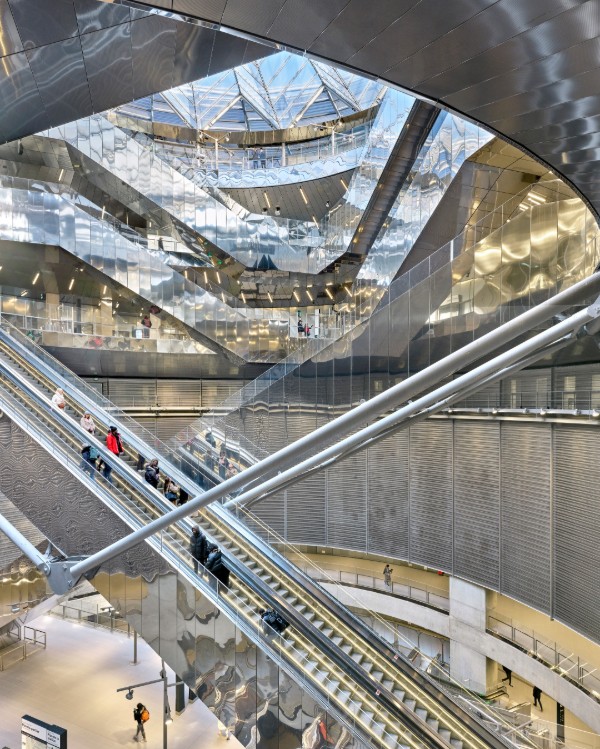
Designed by Dominique Perrault, this station is structured around a 70-metre-diameter glass-covered cylinder. Despite reaching depths of 50 metres, the design ensures that natural light penetrates down to the platforms. The vast central void defines the space, transforming vertical circulation into a theatrical architectural experience. 
4. Gadigal Station – Sydney, Australia
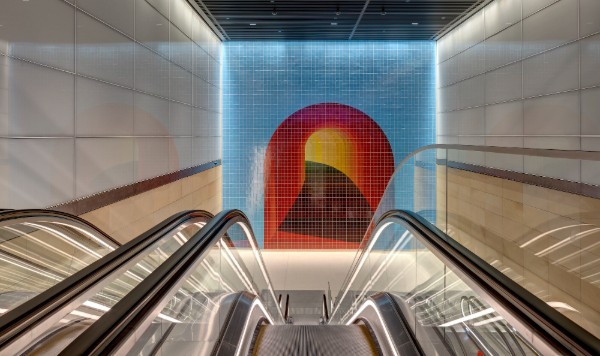
Designed by Foster + Partners in collaboration with Cox Architecture, Gadigal Station exemplifies contemporary urban mobility. Beyond its transport function, the station integrates public art by Callum Morton, featuring 10,000 glazed porcelain tiles in vibrant colours. The project balances technical precision with cultural expression, humanising the commuter journey.
5. Baiyun Railway Station – Guangzhou, China
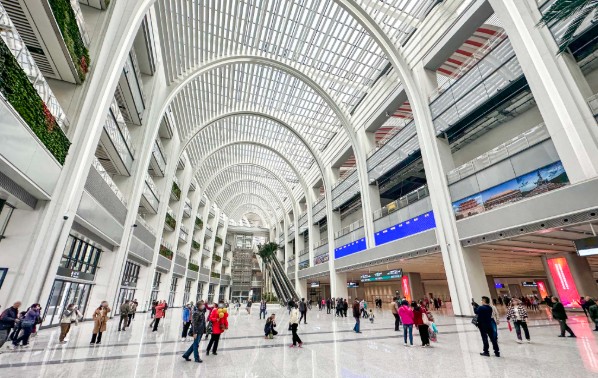
Designed by Nikken Sekkei, this mega-hub serves a metropolis of 18 million people. It integrates 24 high-speed rail lines, six metro lines and three bus terminals. A multi-level circular pedestrian walkway links platforms with surrounding commercial and office areas, while landscaped gardens soften the scale of this vast infrastructure, creating a greener, more welcoming urban experience.
6. KAFD Metro Station – Riyadh, Saudi Arabia
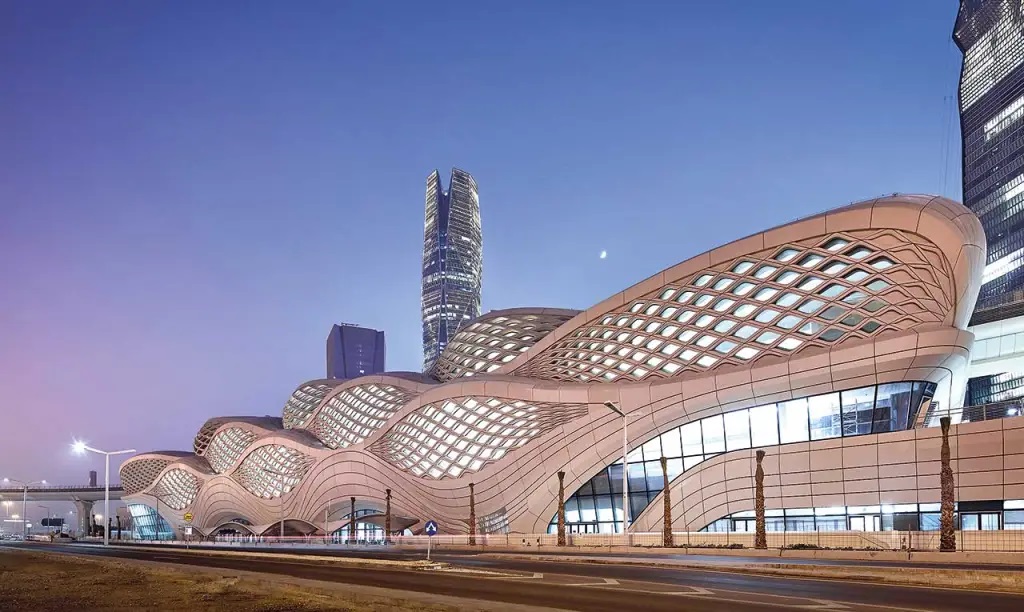
Designed by Zaha Hadid Architects, KAFD Station anchors Riyadh’s 176-kilometre, 85-station driverless metro network, the longest automated transit system in the world. Its fluid geometry symbolises a city in transformation, bridging tradition and future ambition within the King Abdullah Financial District.
7. Qasr Al Hokm Metro Station – Riyadh, Saudi Arabia
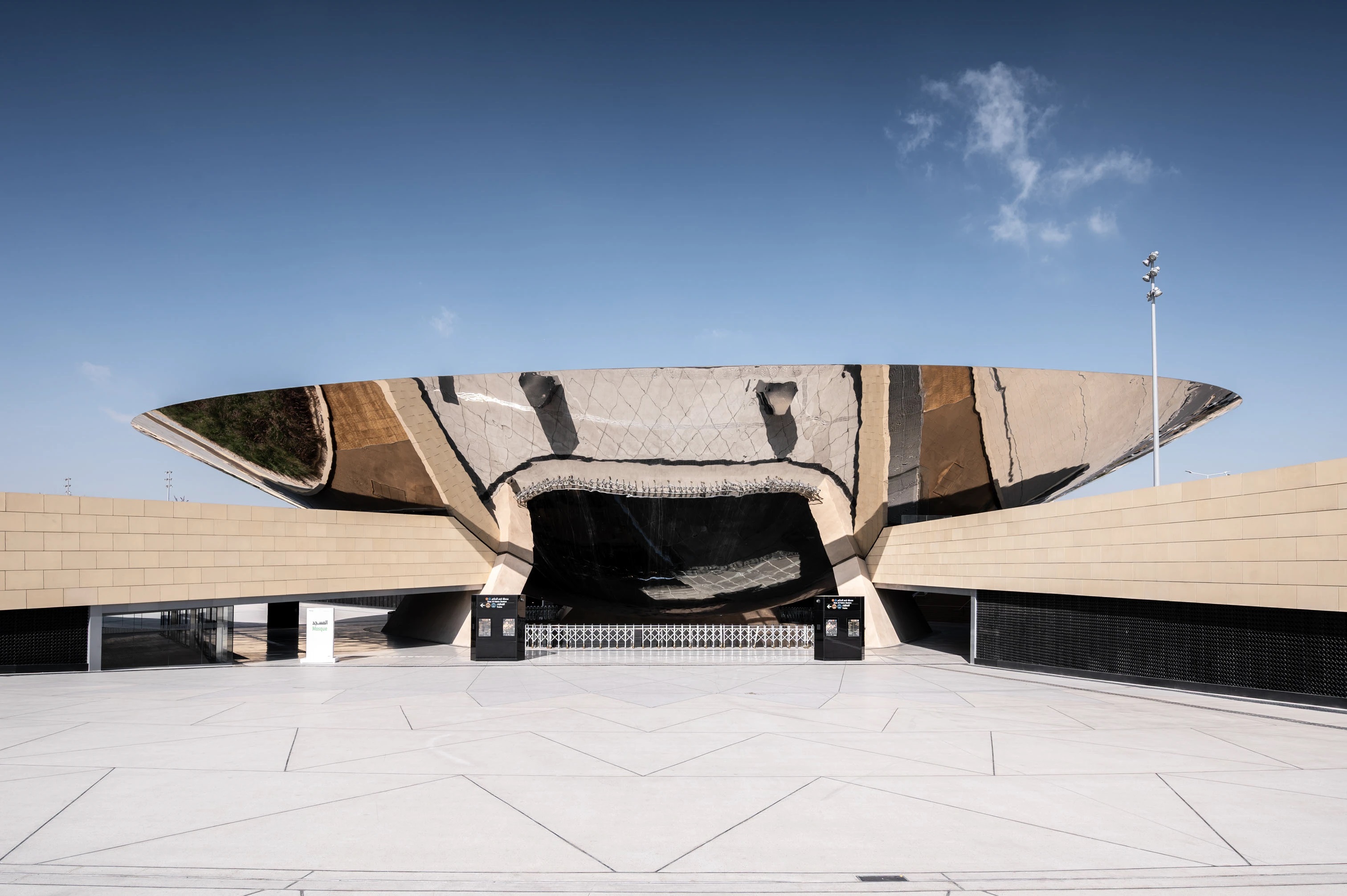
Designed by Snøhetta, Qasr Al Hokm was conceived as a major urban plaza. Its striking inverted stainless-steel cone reflects the surrounding historic district while revealing a contemporary interior. Below ground, a lush garden creates an unexpected spatial contrast, reinforcing the station’s role as both transport node and civic destination.
From Paris to Riyadh, these stations demonstrate how transport infrastructure can evolve into architectural icons. The integration of high-performance glass, particularly in Saint-Denis–Pleyel and Mons, highlights the critical role of advanced glazing in delivering daylight, energy efficiency, acoustic comfort and visual transparency at scale.
Source: Tvitec with additional information added by Glass Balkan