South32 and Eskom are advancing plans to secure a renewable electricity supply for the Hillside aluminium smelter, one of the most energy-intensive industrial assets in South Africa.
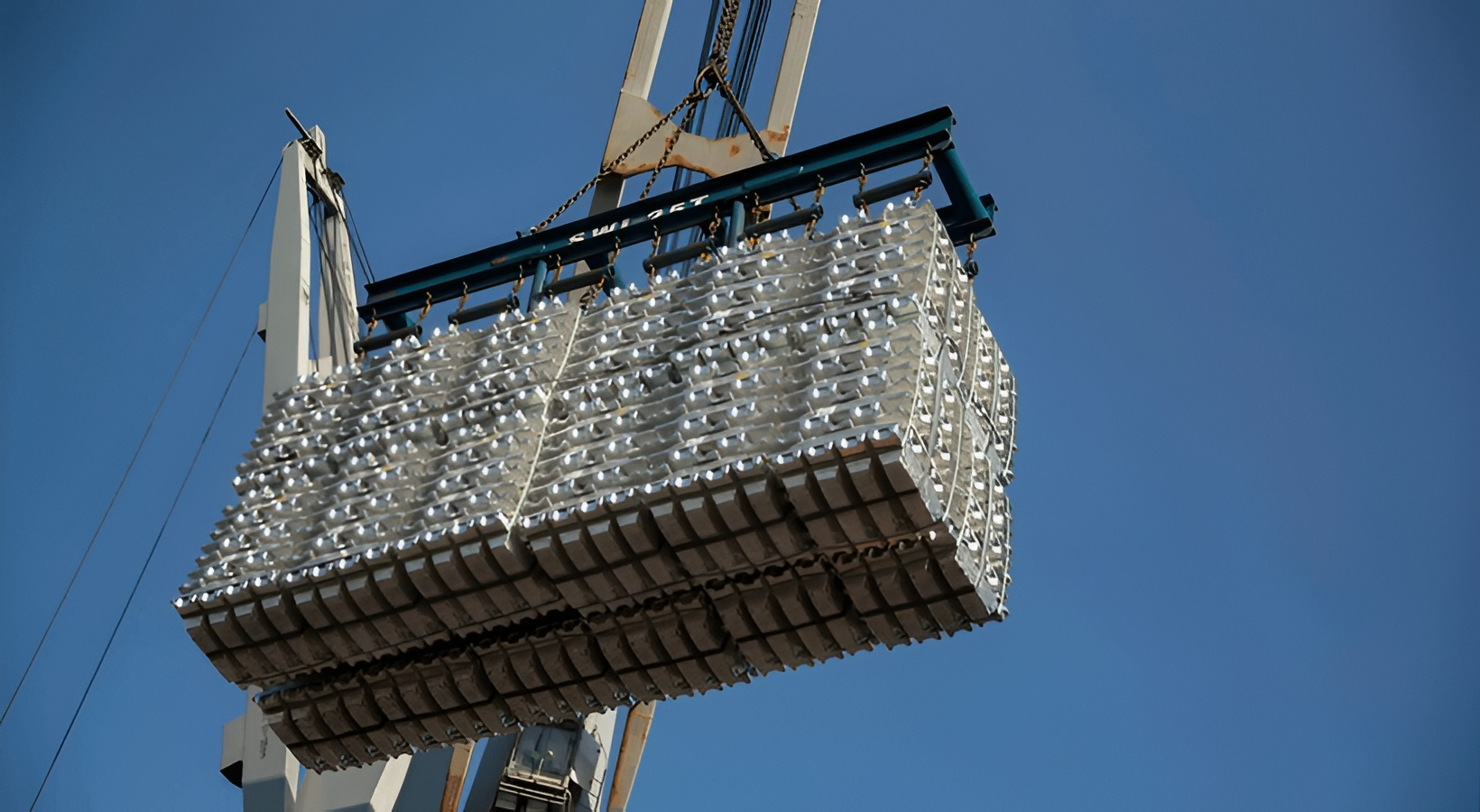
The Hillside operation, located in KwaZulu-Natal, produces approximately 720,000 metric tons of aluminium annually and consumes an estimated 1,000–1,200 MW of continuous power, making electricity cost and reliability critical to its long-term viability. The smelter currently operates under a 10-year supply agreement with Eskom, which is due to expire in 2031.
To address this, the two companies have established a joint working group focused on developing a post-2031 energy framework. The team is evaluating multiple mechanisms to integrate renewable energy into the national grid while maintaining baseload stability required for aluminium smelting. Options under consideration include:
- Large-scale solar PV and onshore wind integration
- Power purchase agreements (PPAs) with independent power producers
- Wheeling arrangements through Eskom’s transmission network
- Hybrid models combining renewables with firming capacity (such as storage or dispatchable backup)
A key challenge lies in aligning intermittent renewable generation with the smelter’s 24/7 power demand. As a result, the solution is expected to rely on a blended energy mix rather than a fully standalone renewable system. 
Noel Pillay noted that securing competitively priced, low-carbon electricity is essential not only for emissions reduction but also for maintaining Hillside’s position on the global cost curve. Electricity accounts for a significant portion of aluminium production costs, and volatility in Eskom tariffs has historically been a risk factor.
Dan Marokane emphasized that the partnership will serve as a model for enabling large industrial users to access cleaner energy while supporting grid stability and national decarbonization targets.
Source: Eskom with additional information added by Glass Balkan