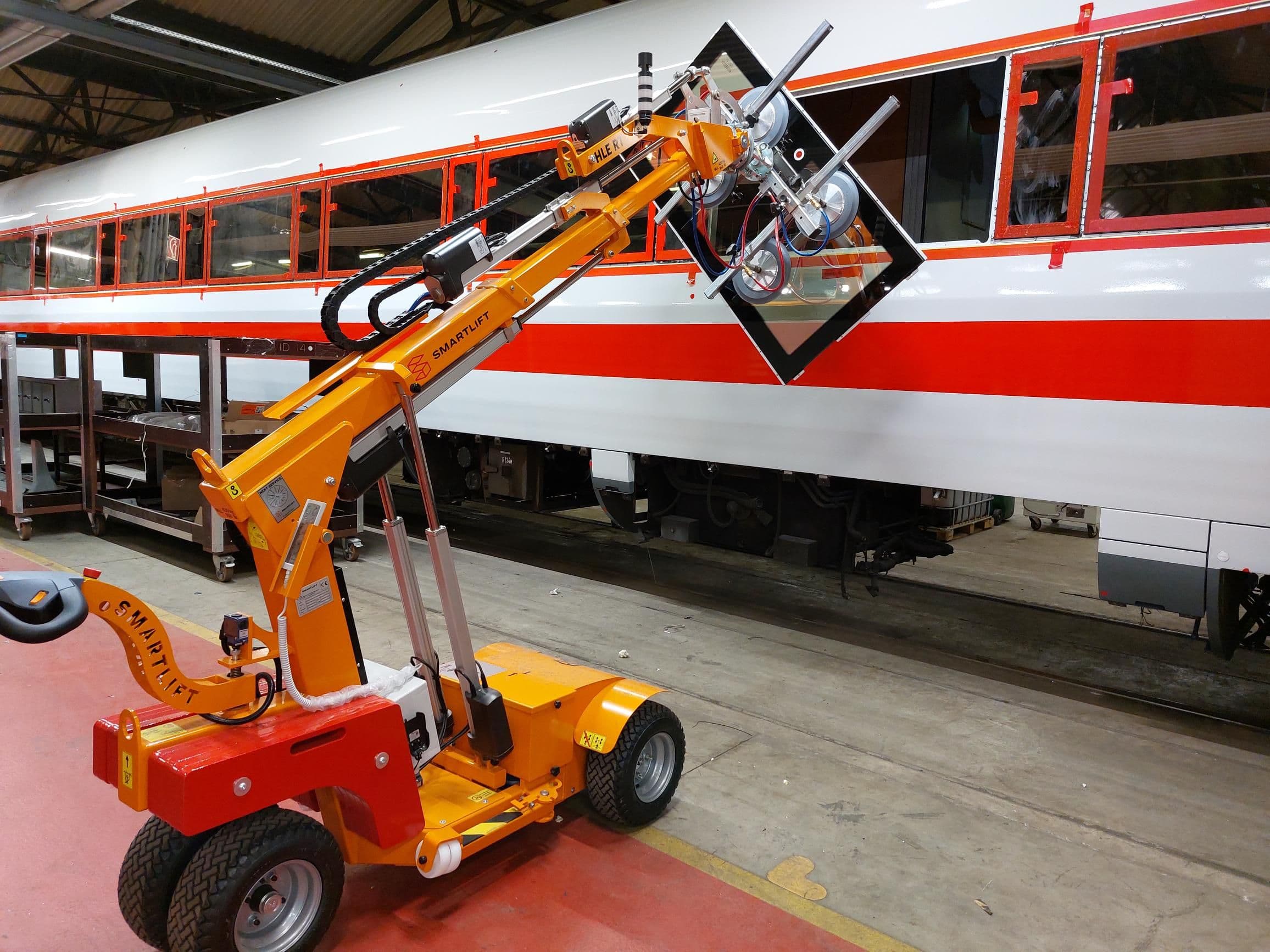
Smartlift A/S is a Danish manufacturer focused on compact, self-propelled vacuum lifting systems used primarily in façade installation, glazing, and on-site handling of rigid panel materials such as glass, stone, metal, and composite cladding. The company operates in a niche engineering space that sits between traditional vacuum lifters, light industrial manipulators, and small mobile lifting robots, with a design emphasis on precision placement under constrained site conditions rather than bulk lifting capacity.
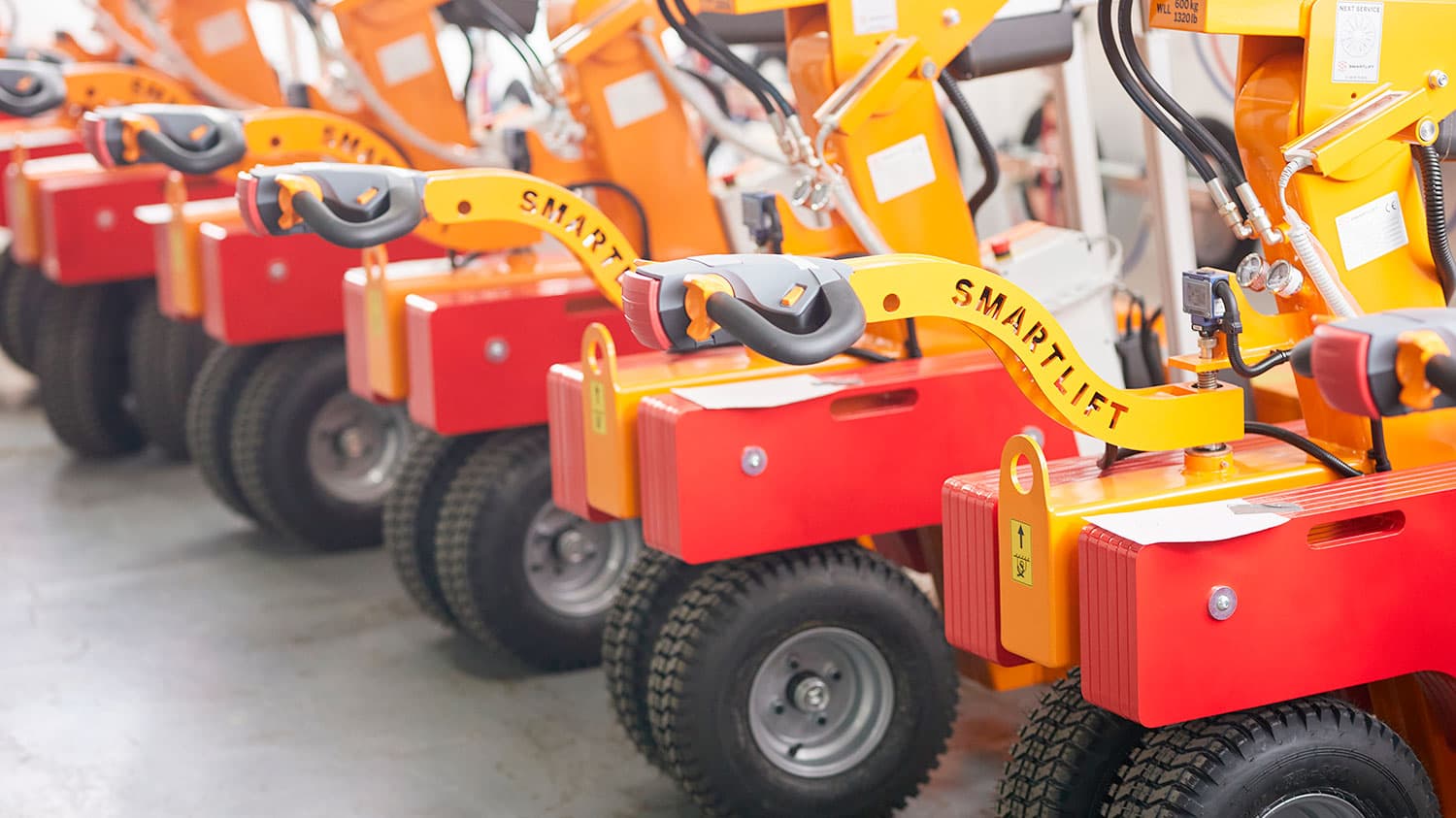
The fundamental architecture of Smartlift machines is an integrated electromechanical platform combining three subsystems: a mobile drive chassis, a vertical lifting mast, and a multi-zone vacuum handling frame. The chassis is electrically driven, typically with differential wheel motors that allow tight turning radii and controlled creep-speed movement. This is essential in interior construction environments where manoeuvring space is limited and positioning tolerances are tight.
The lifting system is built around a rigid mast structure that supports vertical translation and controlled articulation of the vacuum frame. Depending on the model class, actuation is achieved through electro-hydraulic or electromechanical systems, with emphasis on smooth, low-inertia motion rather than rapid lift cycles. The mechanical design prioritises stiffness and deflection control, as even minor mast flex under eccentric loads can translate into misalignment during glass installation.
The vacuum subsystem is engineered as a monitored, multi-channel circuit rather than a single suction line. Each suction zone is individually controlled and continuously monitored via pressure sensors. This allows the system to detect partial seal failure, uneven load distribution, or surface contamination in real time. In practice, this creates a layered safety model where vacuum integrity is a prerequisite for lift activation and is continuously validated during operation. The redundancy is particularly relevant in façade glazing, where panel failure is not progressive but sudden. 
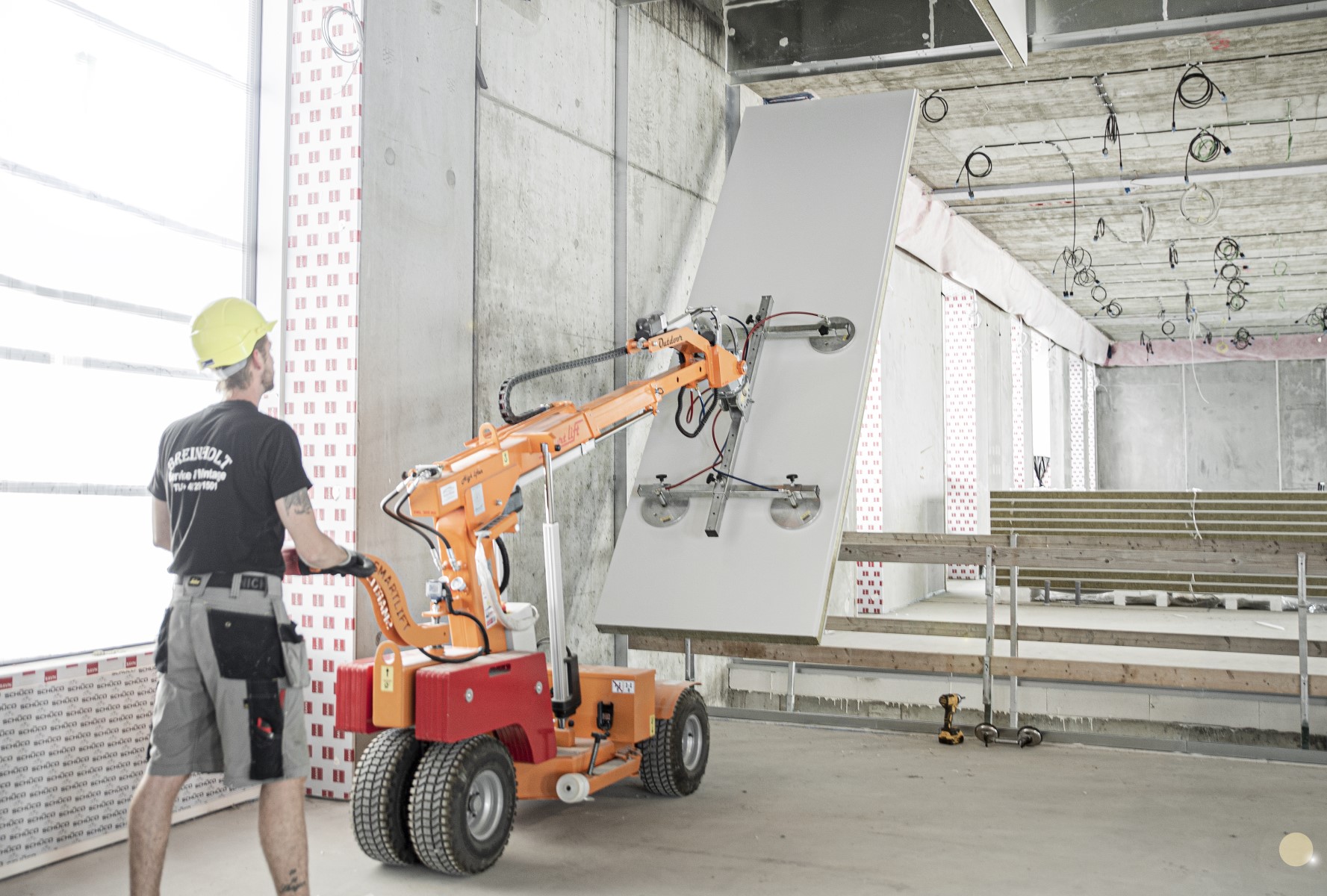
Control architecture is based on proportional manual input, typically via joystick or remote-control interface. Unlike semi-autonomous lifting systems, Smartlift retains operator-centric control logic, where motion, vacuum engagement, and positioning are directly modulated by the user. The system provides real-time feedback on vacuum levels, load status, and system readiness, but does not abstract decision-making away from the operator. This approach is deliberate, as construction environments present variable conditions that are difficult to standardise algorithmically.
From a stability standpoint, Smartlift machines are designed with a low centre of gravity and extended wheelbase geometry to counteract overturning moments during vertical lift and lateral translation. Load transfer is managed through controlled mast alignment and chassis load distribution rather than counterweight systems. This allows the machines to remain compact while still maintaining stability under offset loads, such as large glass panels held away from the mast axis.
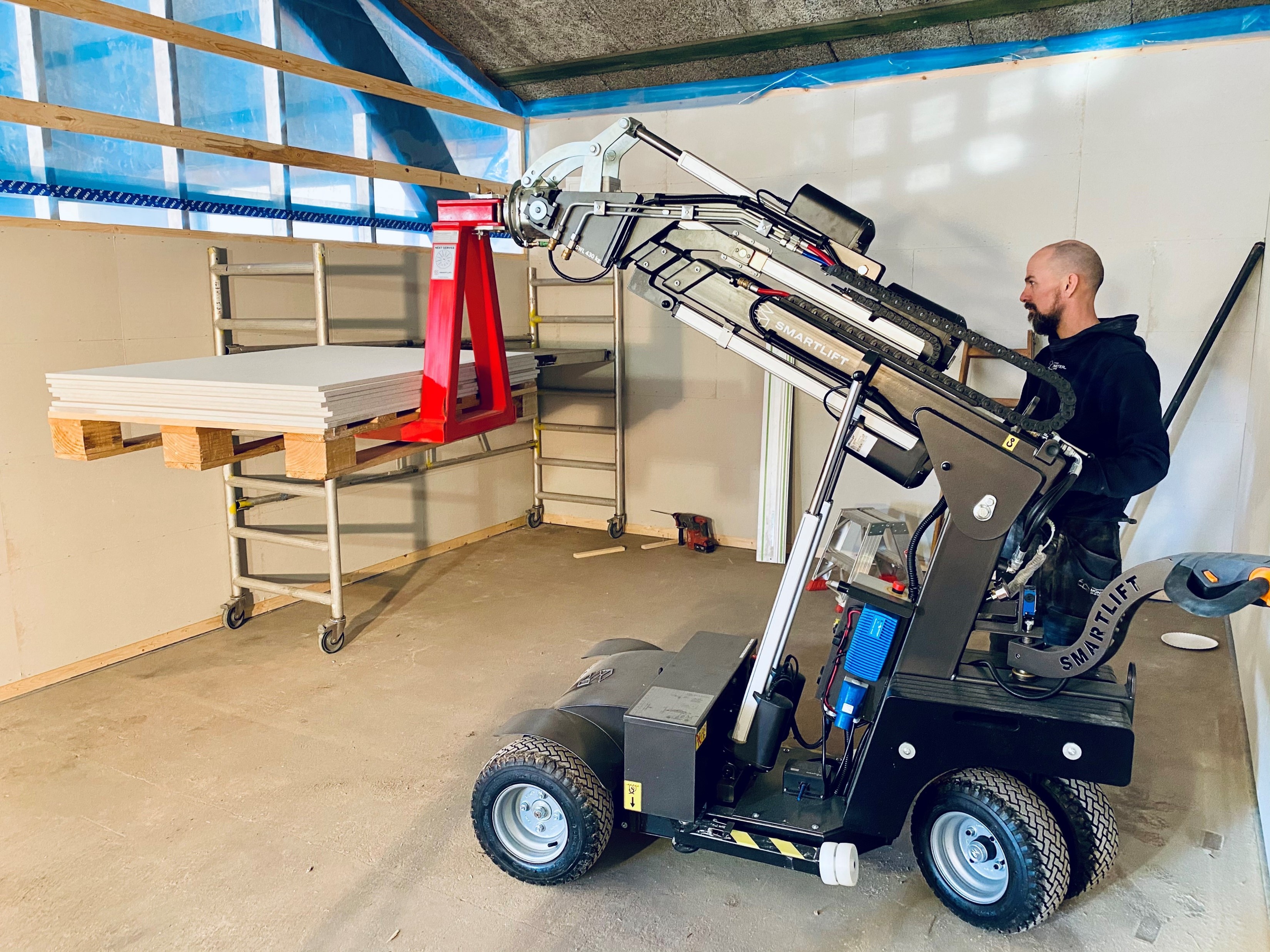
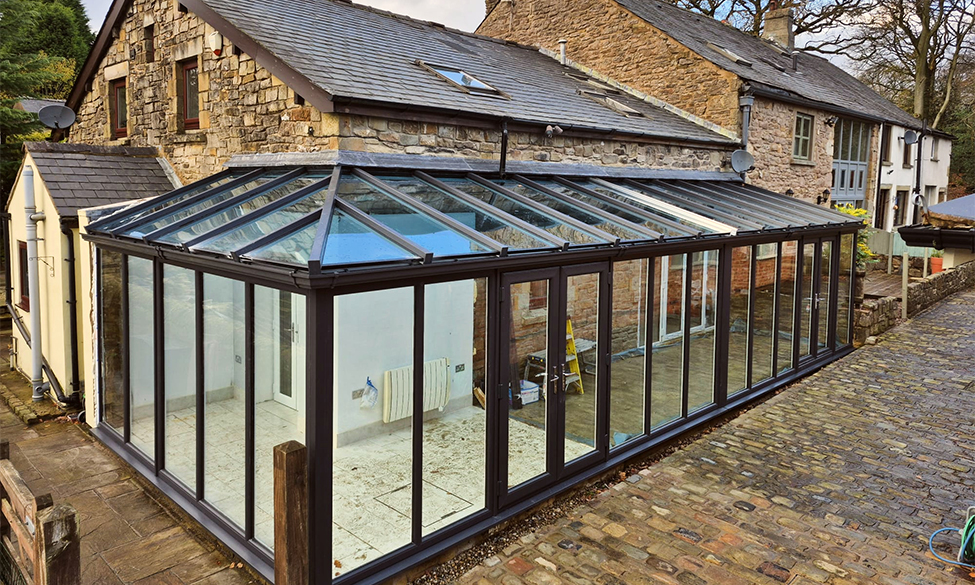
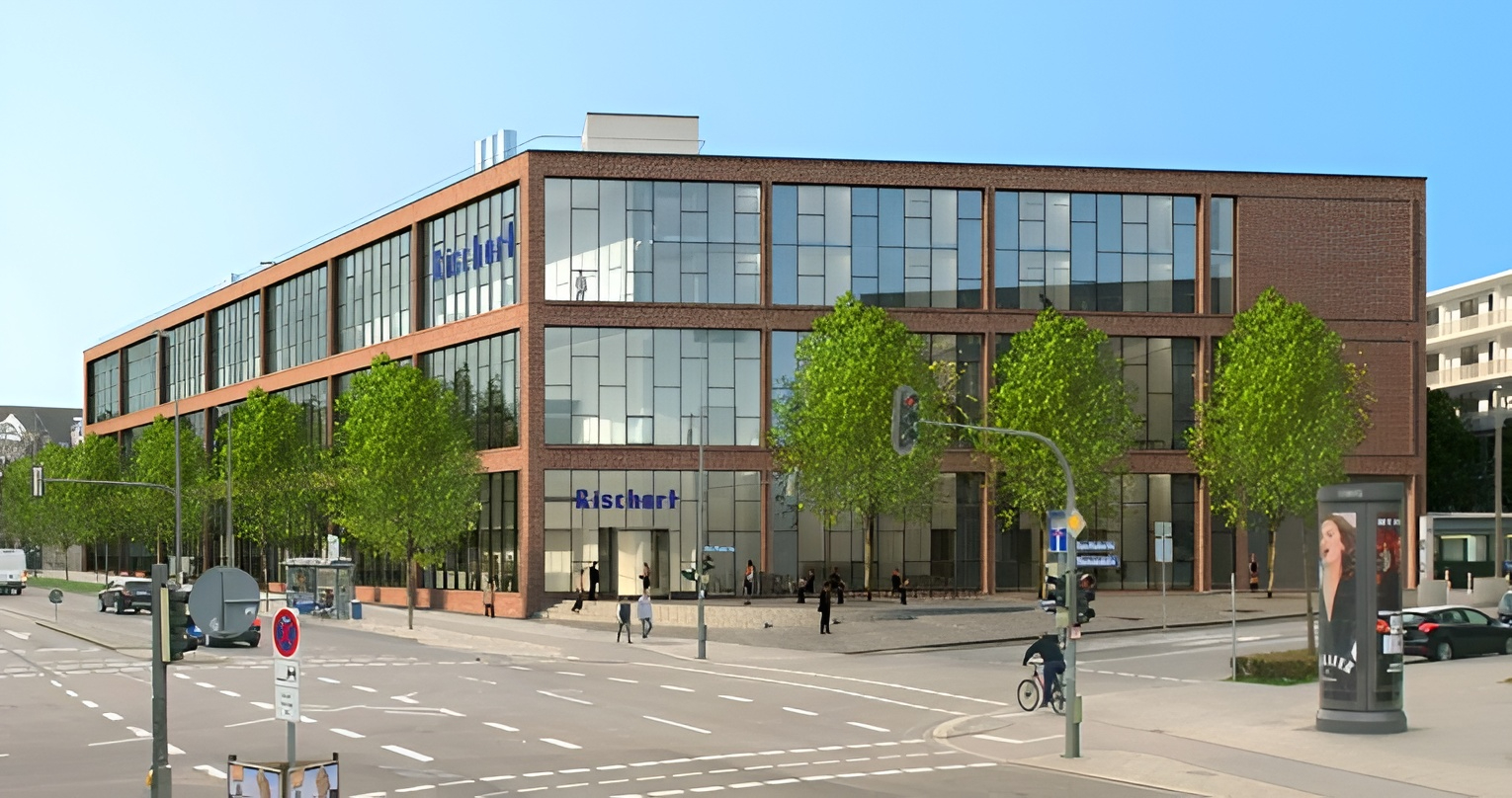
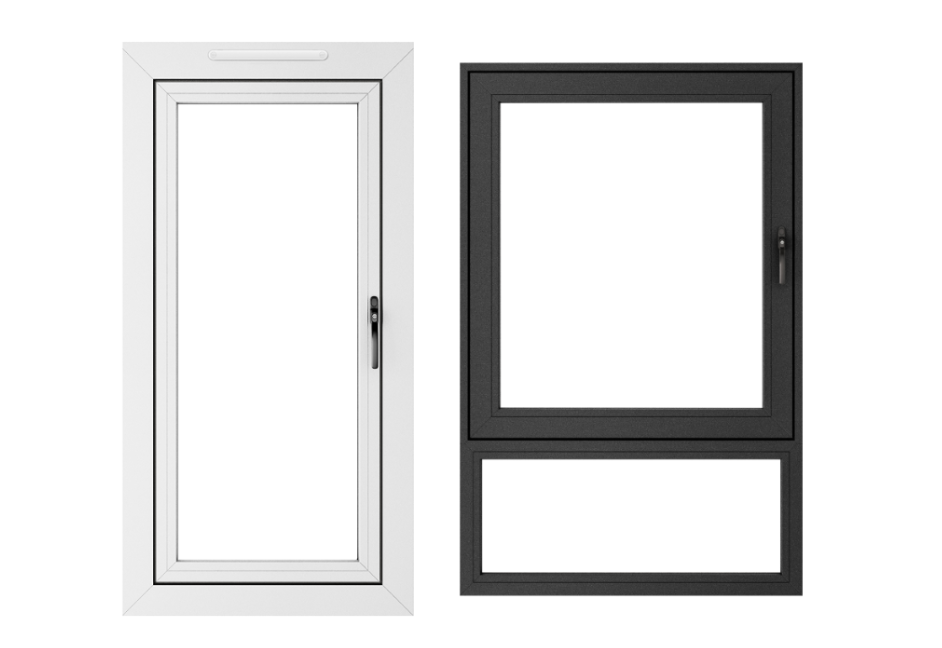
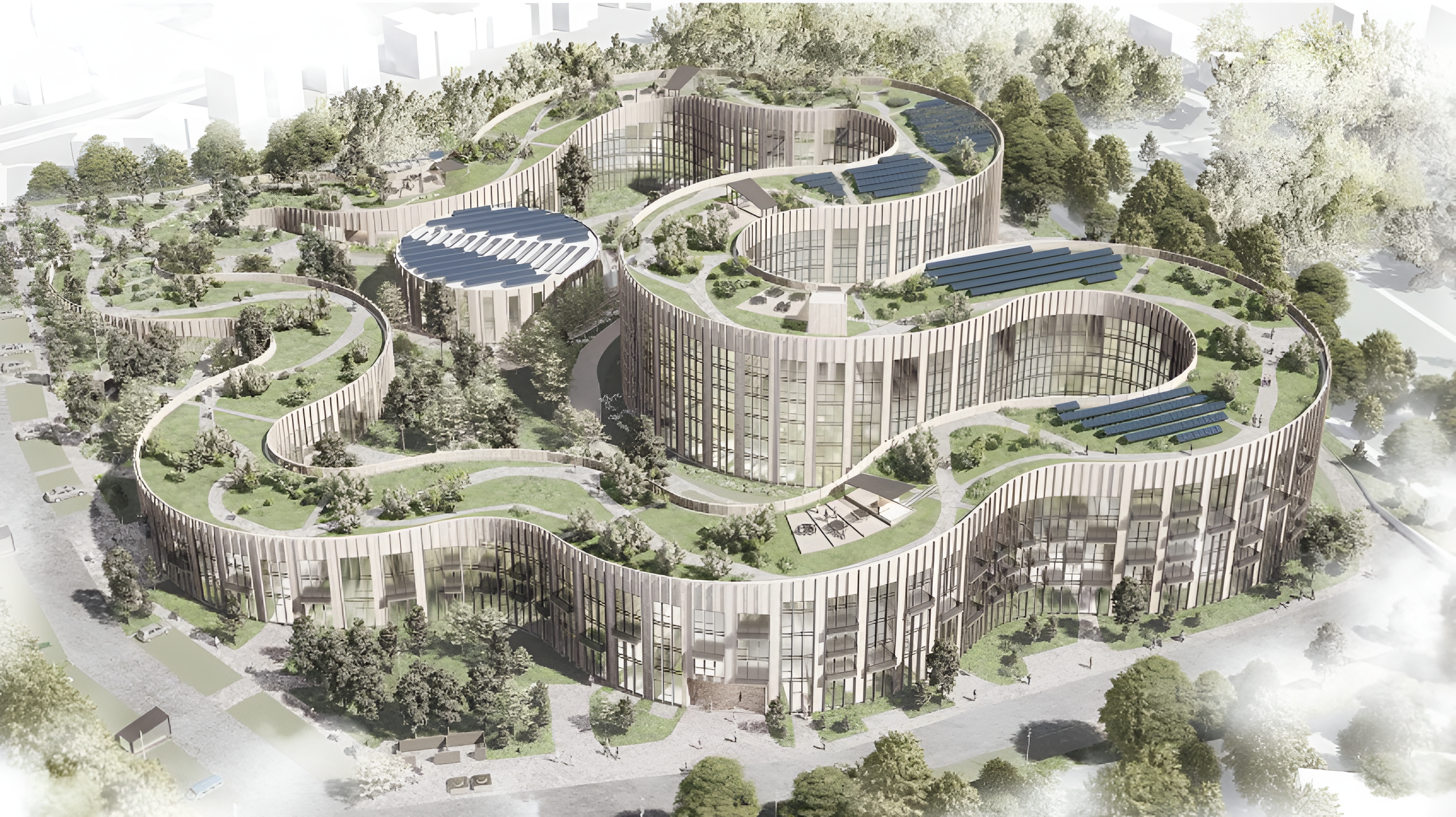
In application, Smartlift systems are primarily deployed in three operational contexts. The first is architectural glazing, where they are used for curtain wall installation and window placement in both new-build and retrofit projects. The second is industrial handling of rigid sheet materials, including stone slabs, steel plates, and composite panels. The third is controlled indoor logistics and production environments, where repetitive lifting tasks require ergonomic assistance and consistent positioning accuracy.
A key engineering advantage of the system is operational independence from external lifting infrastructure. Unlike crane-based vacuum frames or forklift-adapted lifters, Smartlift units are self-contained and can operate directly within finished or partially completed structures. This includes access through standard door openings, movement on finished flooring, and deployment in areas without overhead lifting points.
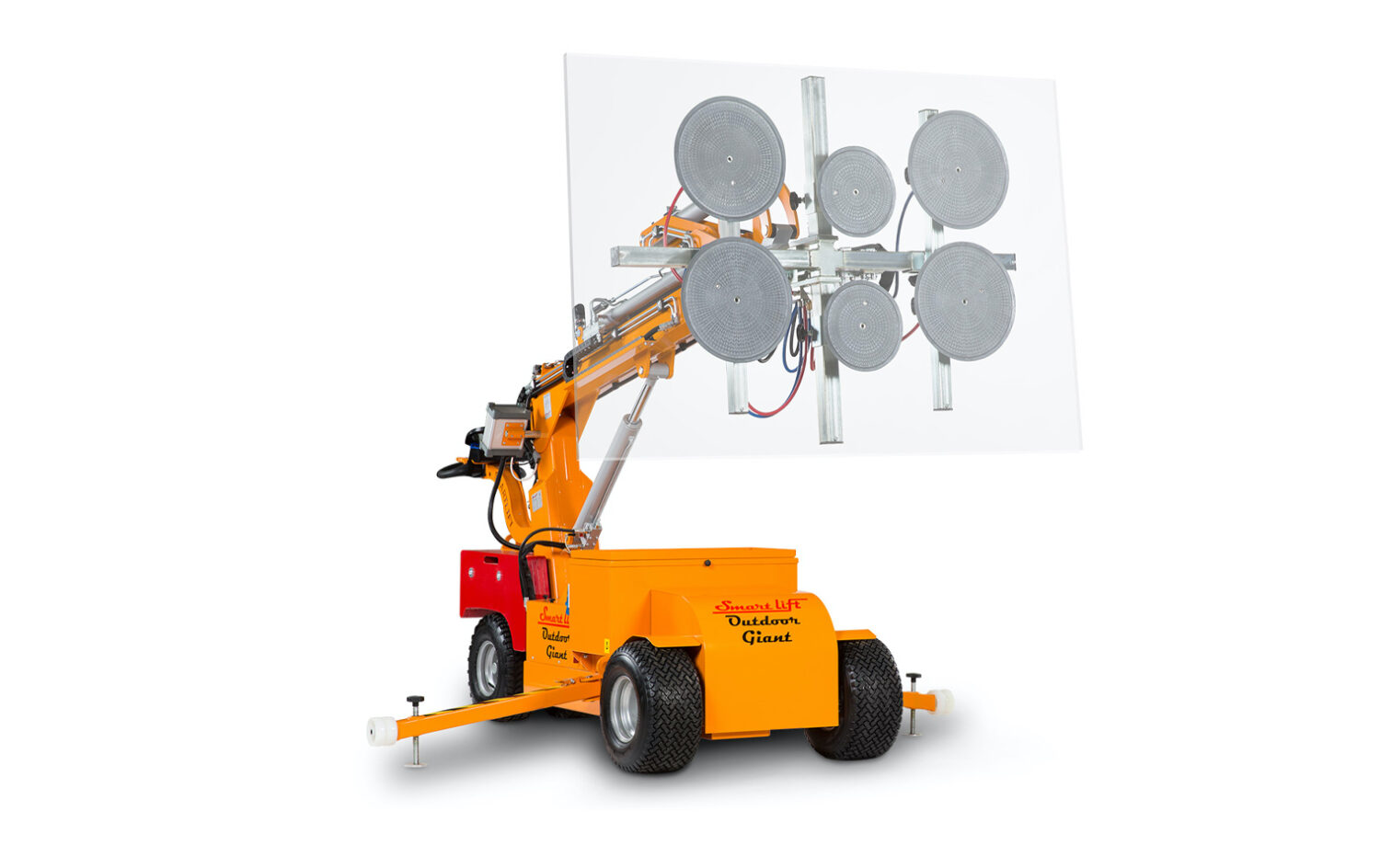
Overall, Smartlift’s design philosophy is defined by integration rather than specialization: mobility, vacuum safety, and precision control are engineered as a single system rather than separate modules. The result is equipment optimised not for maximum lifting capacity, but for controlled, repeatable placement of high-value construction materials in environments where accuracy and safety constraints outweigh brute force requirements.
Image courtesy of Smartlift
Source: Glass Balkan