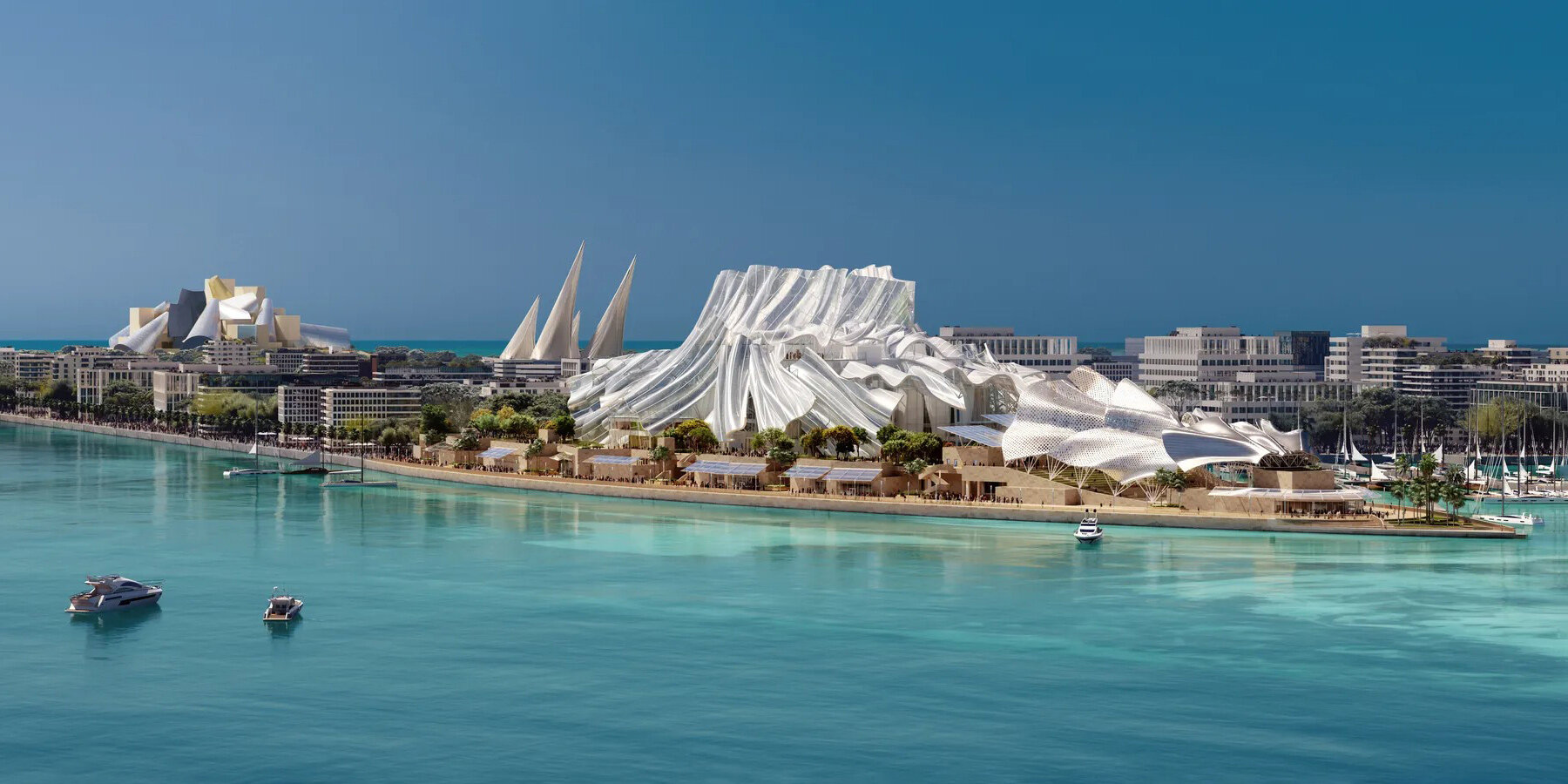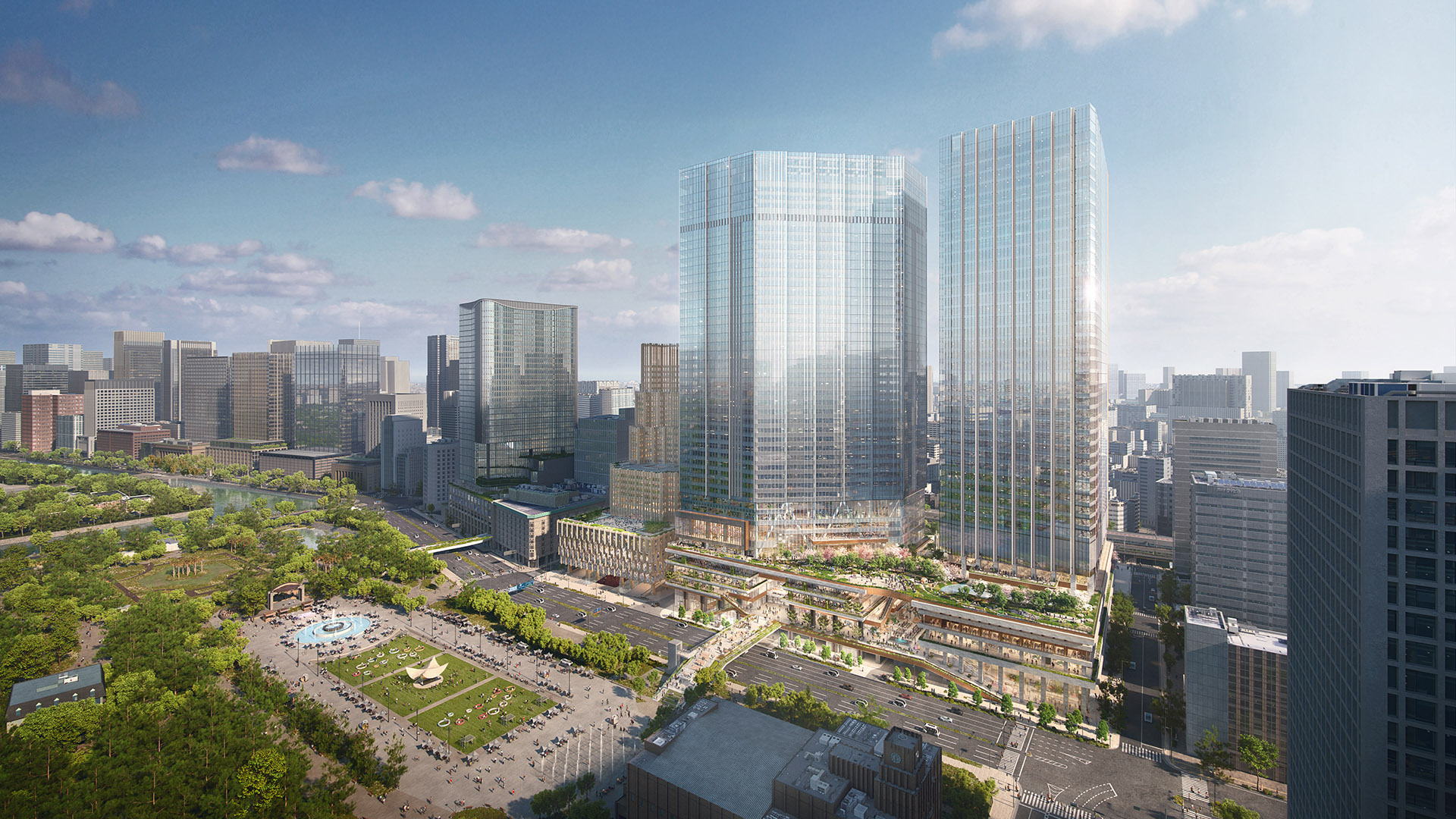
Positioned in Tokyo’s Hibiya district as the flagship development of Tokyo Cross Park, NTT Hibiya Tower is conceived as a next-generation high-rise where architectural expression and building intelligence are inseparable. Rising to approximately 230 metres and delivering around 361,000 square metres of mixed-use space, the tower accommodates offices, commercial functions, cultural facilities and hospitality programs within a unified vertical structure.
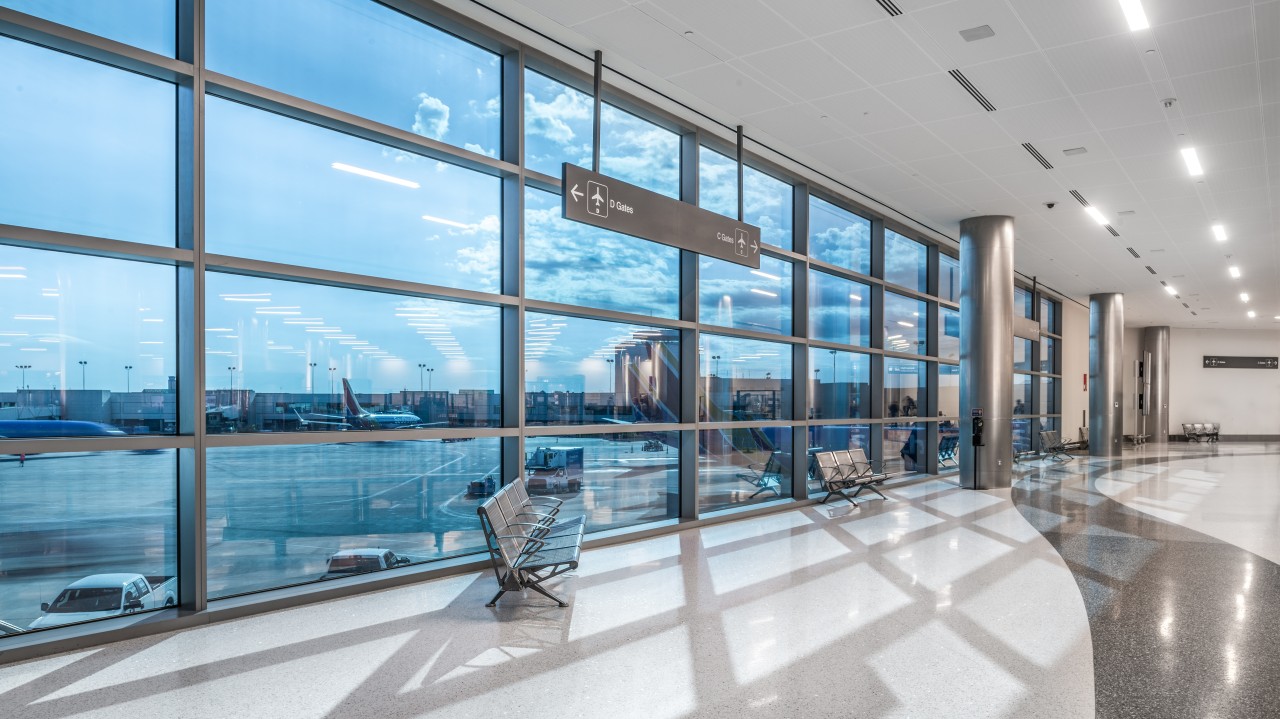
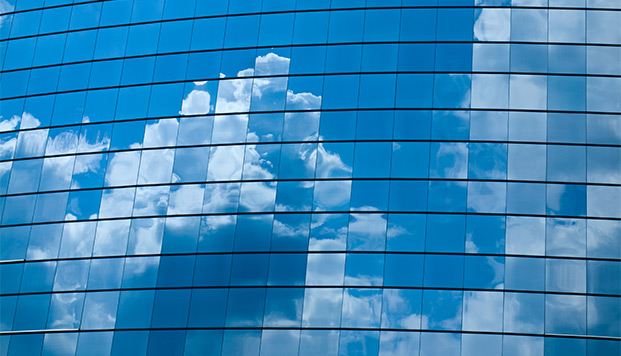
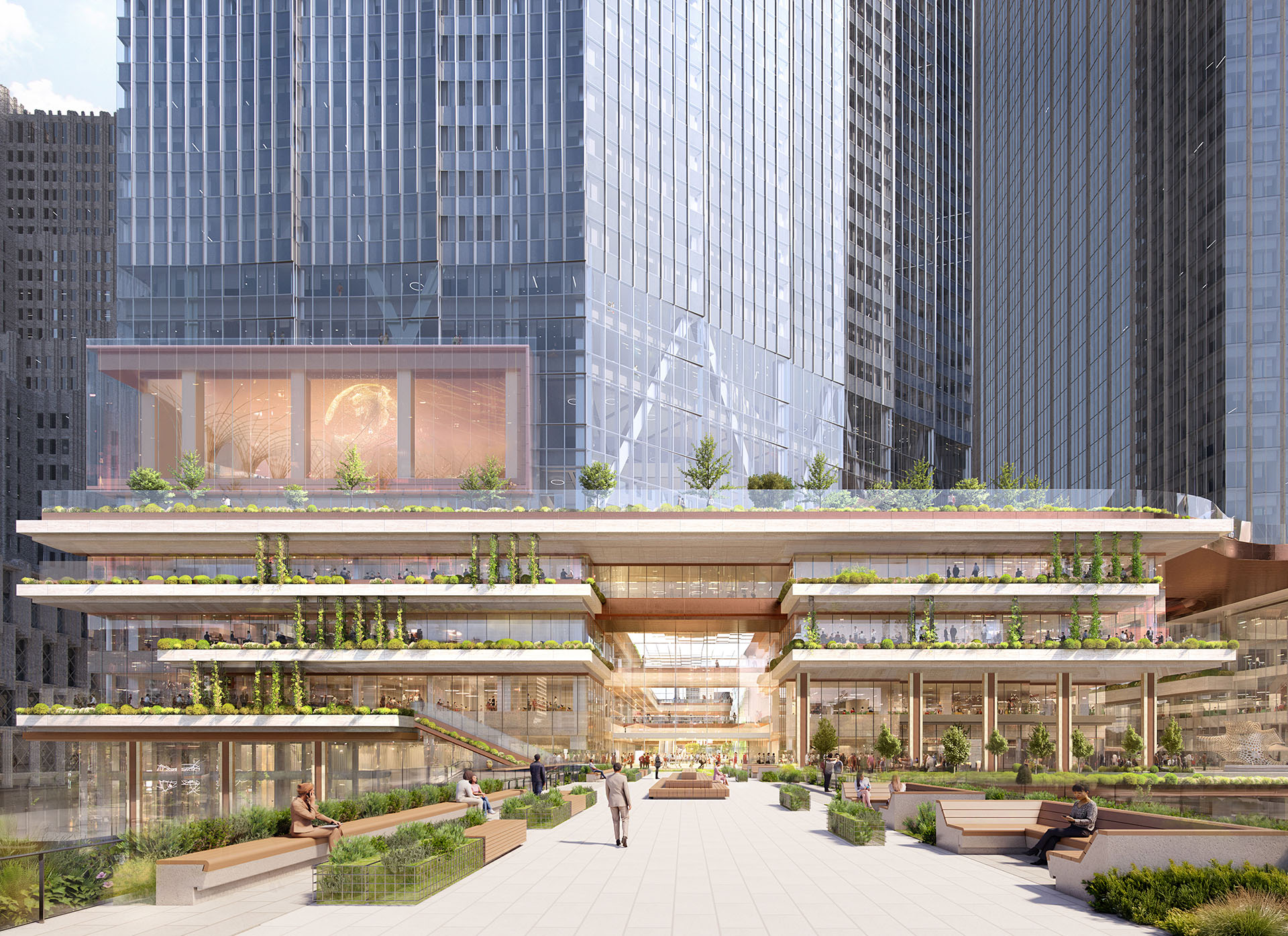
The architectural identity of the tower is driven by an extensive, continuous glass façade, designed to establish transparency, openness and a strong visual relationship with the surrounding urban fabric and nearby Hibiya Park. Rather than functioning as a conventional curtain wall, the glazed envelope is conceived as a high-performance building skin, supporting daylight optimization while maintaining controlled interior environmental conditions essential for large-scale commercial occupancies.
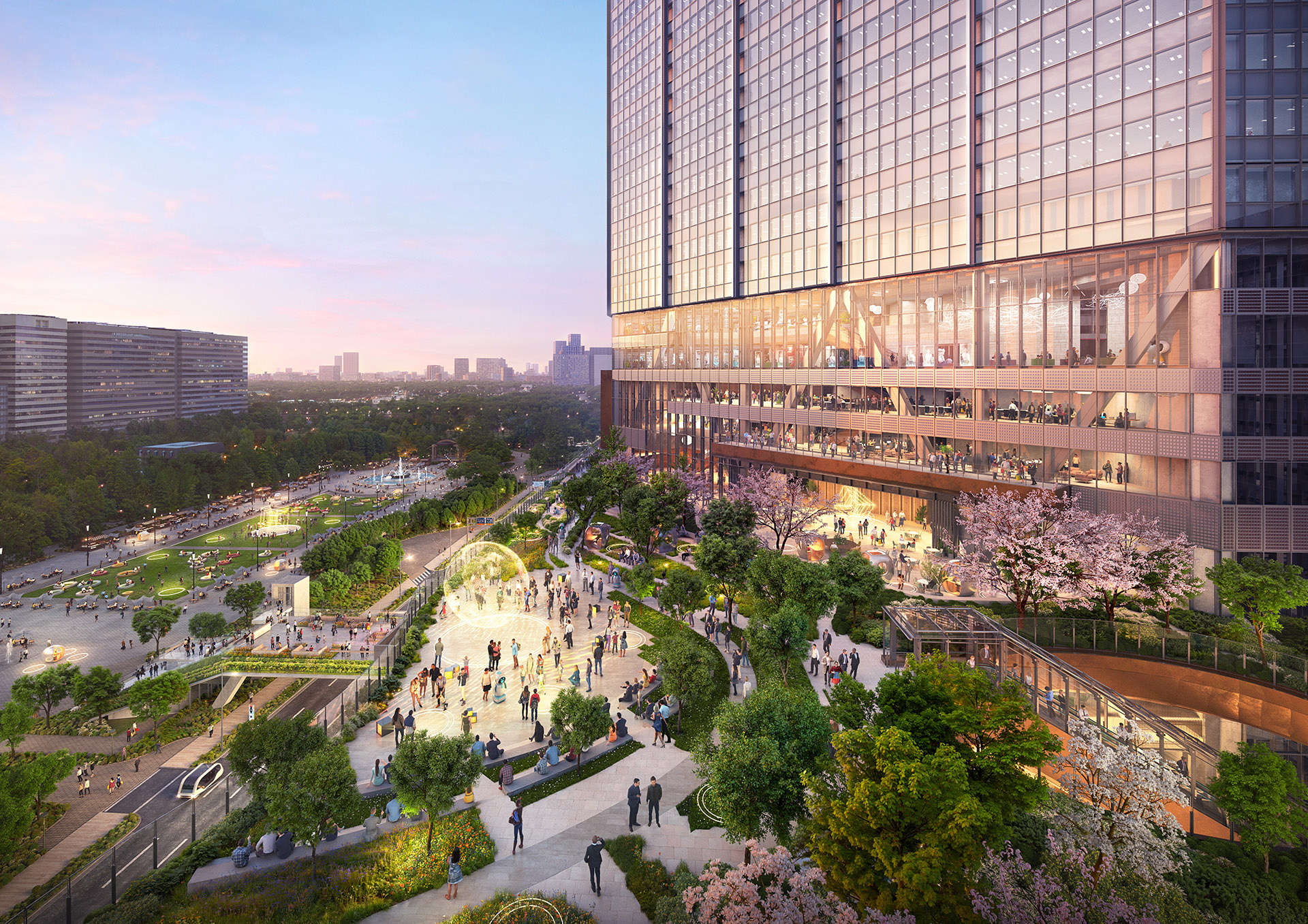
The façade operates in close coordination with the building’s advanced digital infrastructure, developed around NTT’s IOWN optical communication platform. This system enables real-time data exchange between occupancy monitoring, lighting control and indoor climate systems. As a result, the glazed façade becomes part of an adaptive environmental strategy, supporting efficient energy management and stable indoor comfort without compromising transparency or architectural clarity.
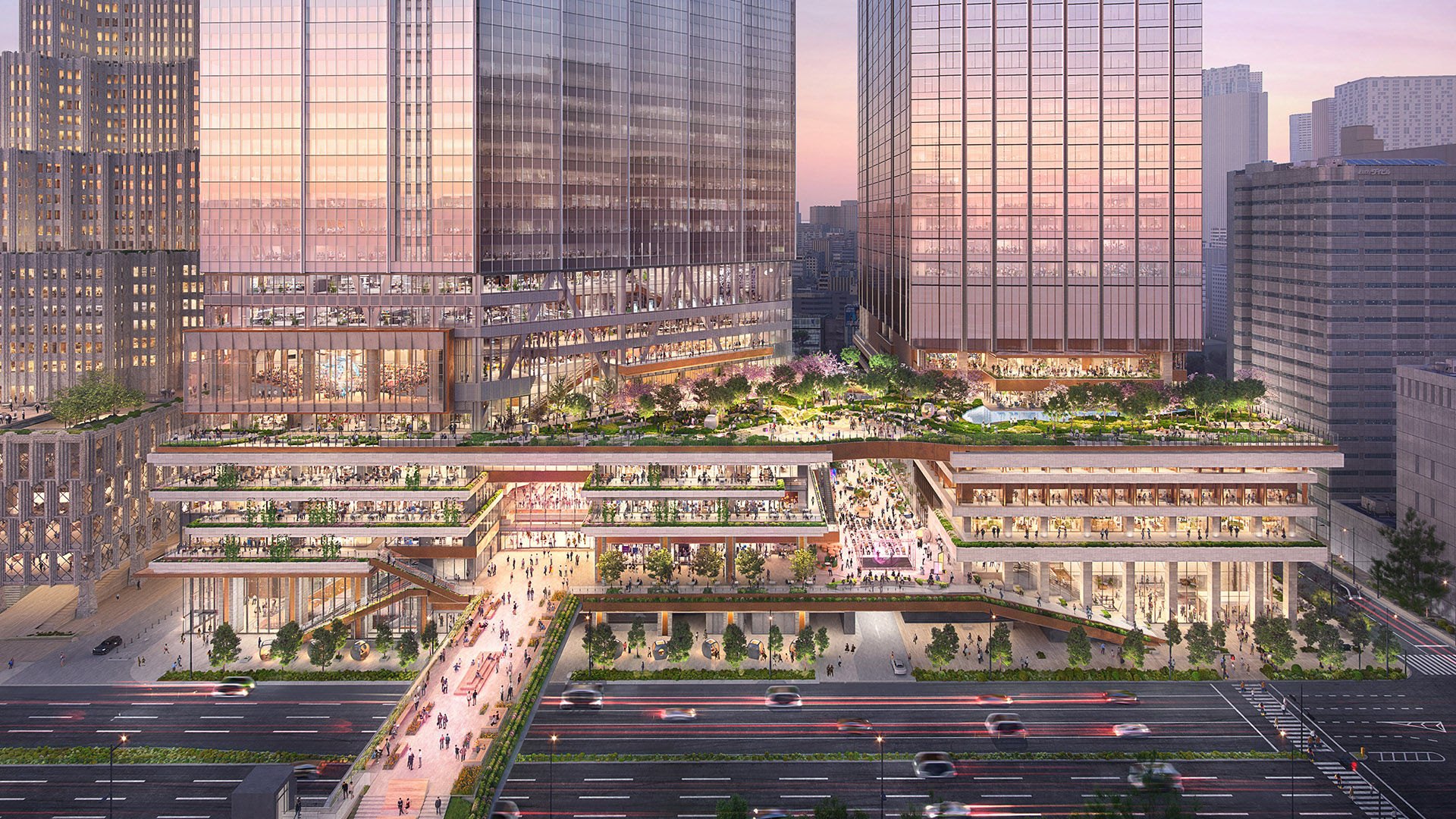
From a glass and façade industry standpoint, NTT Hibiya Tower exemplifies the evolution toward intelligent façade ecosystems, where glazing, control systems and digital networks are fully integrated. The project reflects a shift away from static envelopes toward façades that actively contribute to operational efficiency, user comfort and long-term sustainability. 
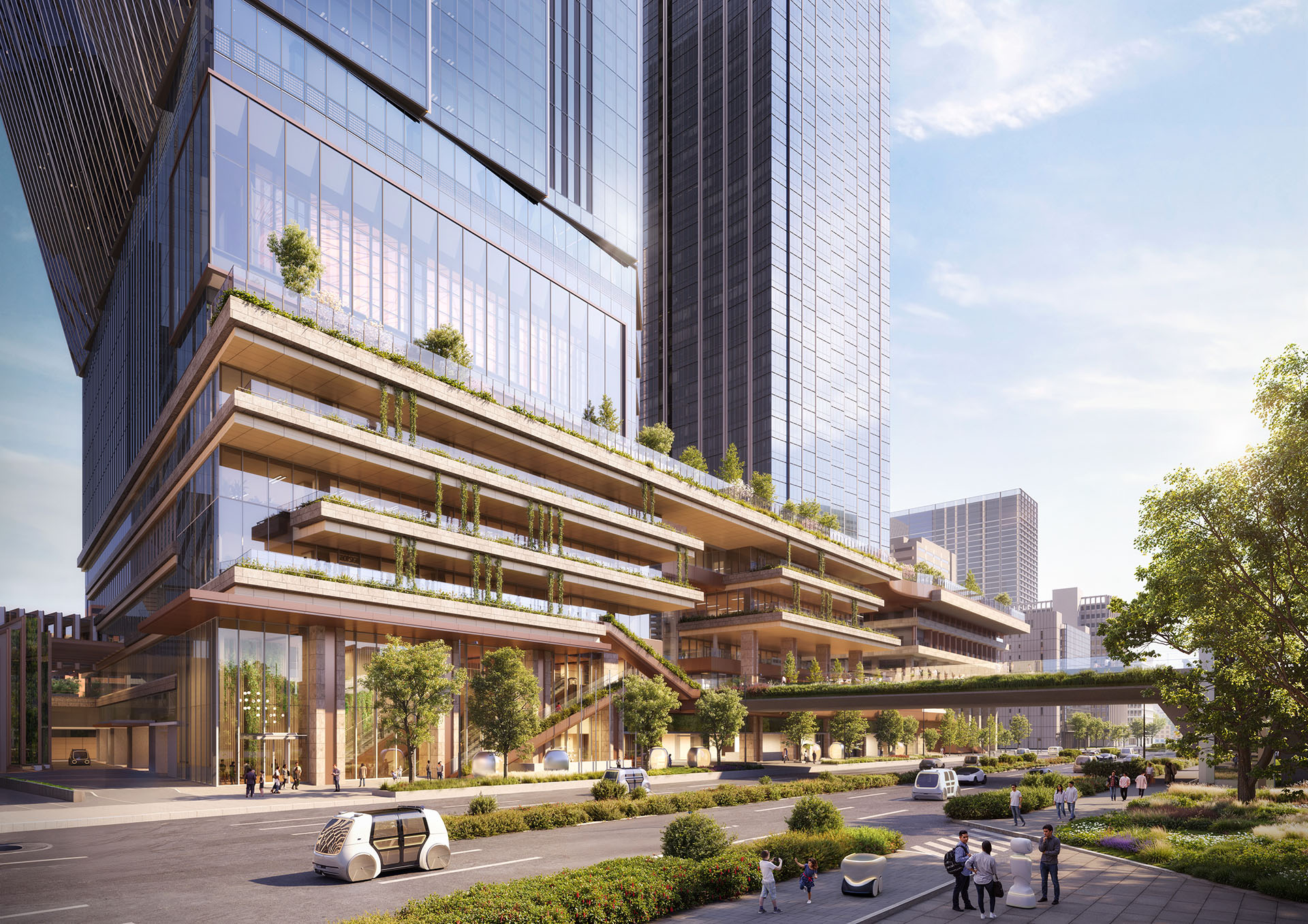
In the context of contemporary high-rise construction, the tower sets a benchmark for digitally orchestrated glass architecture, demonstrating how large-scale transparent façades can perform as responsive interfaces between people, technology and the urban environment, without sacrificing design integrity or environmental responsibility.
Source: NTT Hibiya Tower with additional information added by Glass Balkan