The summer of 2026 brought a notable shift in European aluminium pricing, while the flat-glass market remained comparatively firm. For manufacturers, façade contractors, window fabricators and construction companies, the third quarter began with high material costs, although aluminium prices eased from the peaks recorded earlier in the year.
Aluminium prices moved lower after June
Aluminium was particularly volatile during the summer. The LME aluminium benchmark averaged approximately €2,986 per tonne in June, before falling to €2,766/t in July and recovering slightly to €2,847/t in August. In dollar terms, the corresponding monthly averages were approximately $3,439/t, $3,158/t and $3,251/t.
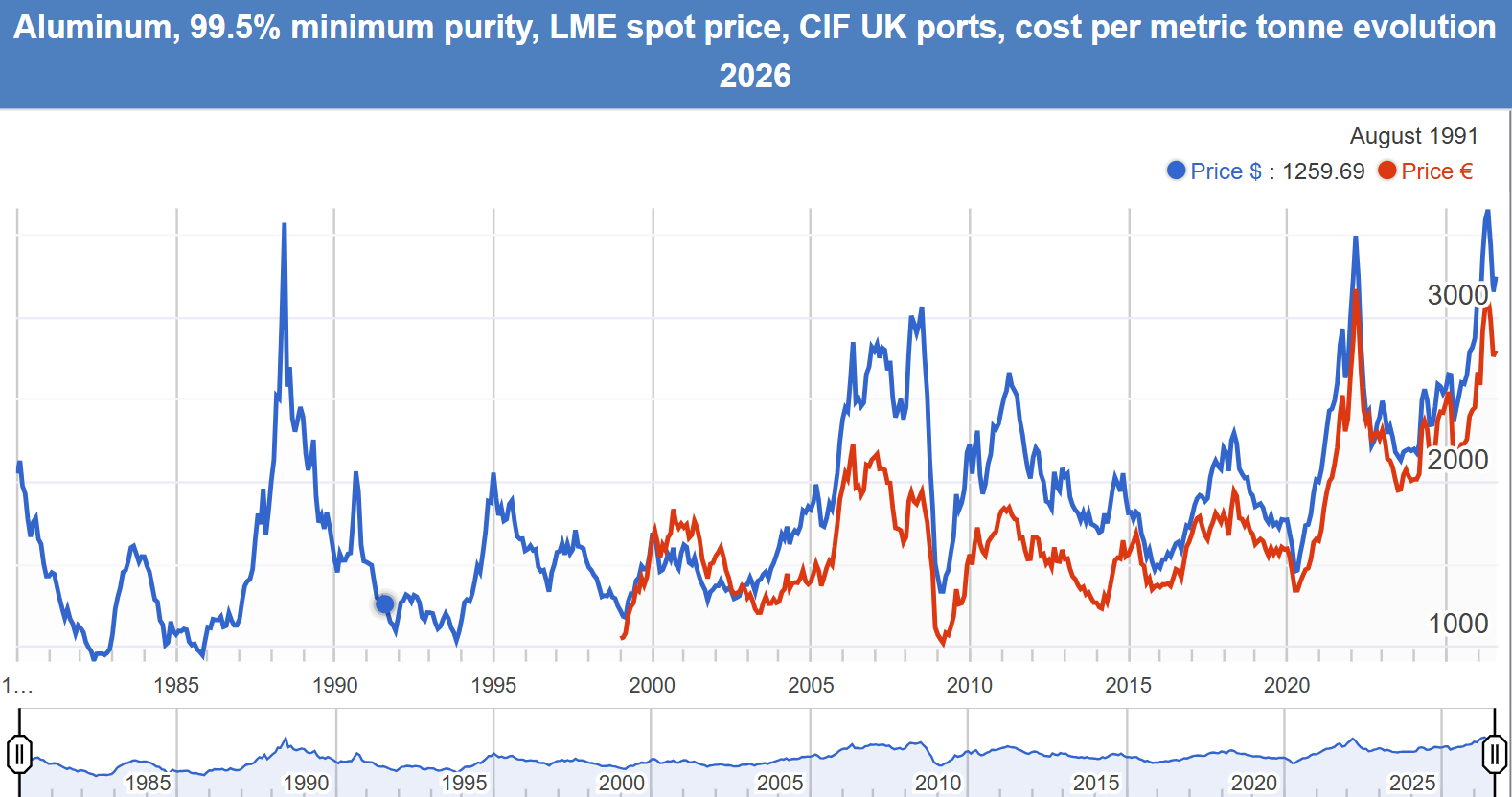
The June market was especially strong. Daily LME prices reached around €3,222/t on June 2, while prices moved below €2,800/t toward the end of the month. July was more stable, with the LME 3-month aluminium price generally ranging between approximately €2,675 and €2,800/t.
For extrusion companies, however, the raw aluminium benchmark tells only part of the story. The European 6063 extrusion billet premium delivered to Italy stood at $1,075–1,150/t on August 28, compared with $1,200–1,300/t on June 5. The premium therefore declined by around 11% during the summer, but remained substantial. 
Glass prices remained supported
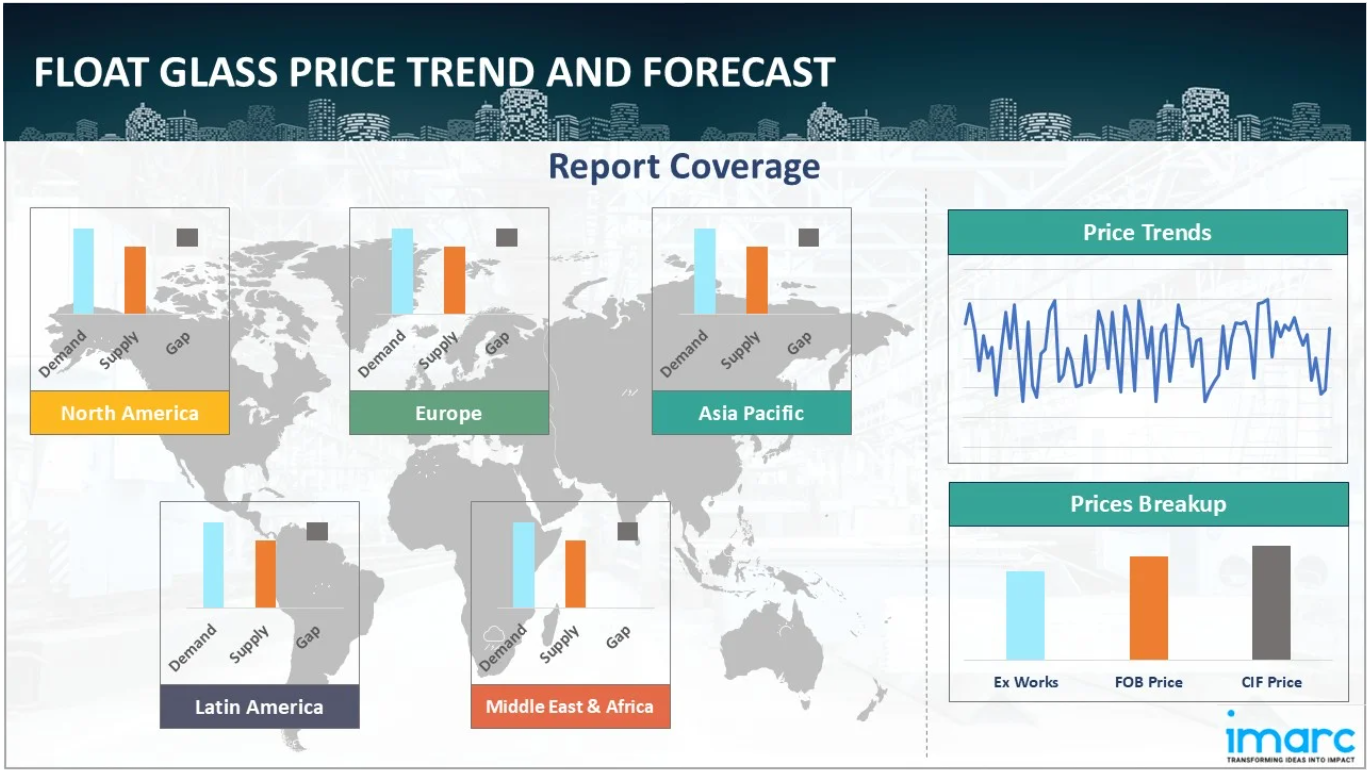
European float glass followed a different pattern. In Germany, the average float-glass price was reported at approximately $850/t EXW in June 2026. European prices remained supported by energy, carbon and manufacturing costs, despite uneven construction demand.
These figures refer to basic float glass rather than finished architectural products. Tempered, laminated, Low-E, solar-control and insulating glass units command considerably higher prices once processing, coatings, spacers, gas filling, transport and fabrication are included.
The summer of 2026 therefore cannot be described simply as a period of either rising or falling material prices.
Aluminium moved lower after its June peak, but remained expensive, particularly for extrusion applications because of high billet premiums. Glass, meanwhile, remained comparatively stable in Europe, supported by production costs and controlled supply, even as construction demand remained uneven.
For contractors, façade companies and window manufacturers, the practical cost remained considerably higher than the raw-material benchmark. A project using aluminium systems and high-performance glazing could therefore still face significant material exposure even when commodity prices appeared to be easing.
For the Balkan market, where a large proportion of aluminium profiles, architectural glass and processing equipment is sourced from European suppliers, developments in the European market remain particularly relevant. Exchange rates, transportation and supplier premiums can further influence the final regional price.
Source: Glass Balkan