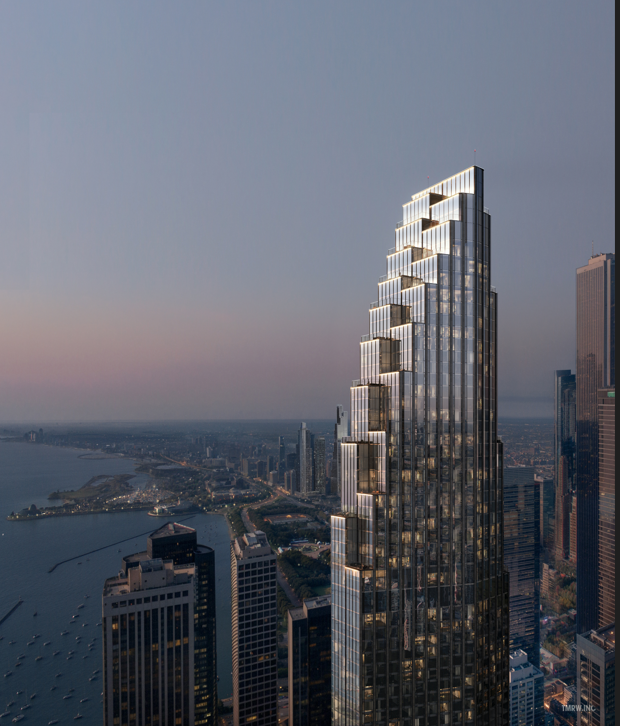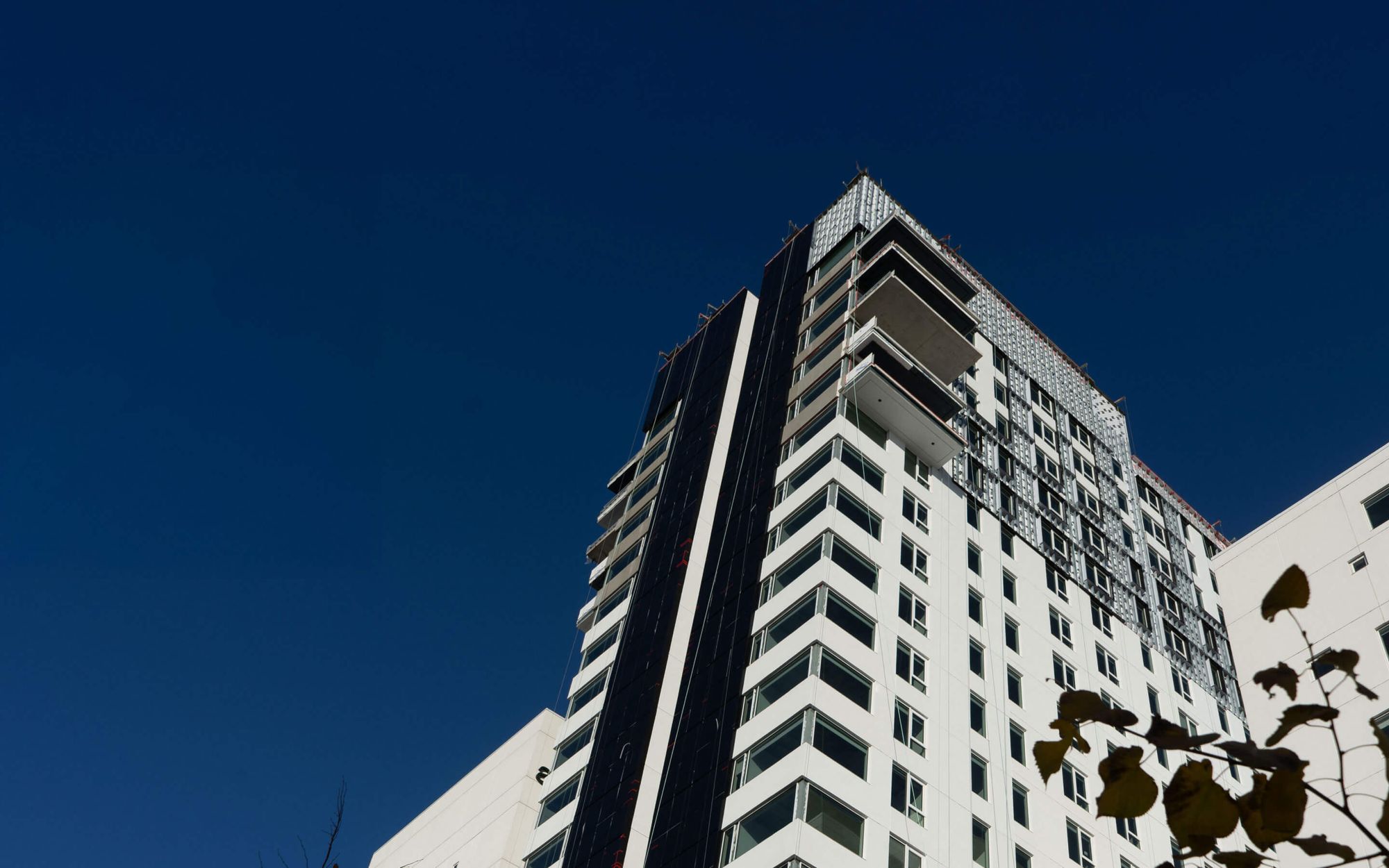
The 21-storey 308 Colony Street residential tower in downtown Winnipeg, known as Solara Flats, represents a decisive shift in how façades are conceived within the contemporary high-rise sector. Rather than functioning solely as an enclosure, the building envelope has been engineered as an active energy-generating system, positioning the project among the earliest net-zero carbon residential high-rises in Canada.
Central to this strategy is the extensive use of Building-Integrated Photovoltaics (BIPV) across the façade. More than 12,000 square feet (approximately 1,300 m²) of photovoltaic cladding is integrated directly into the exterior skin, allowing the building to generate around 150 MWh of renewable electricity annually. This solar façade plays a critical role in offsetting operational energy demand and supporting the project’s Zero Carbon Building Design certification.
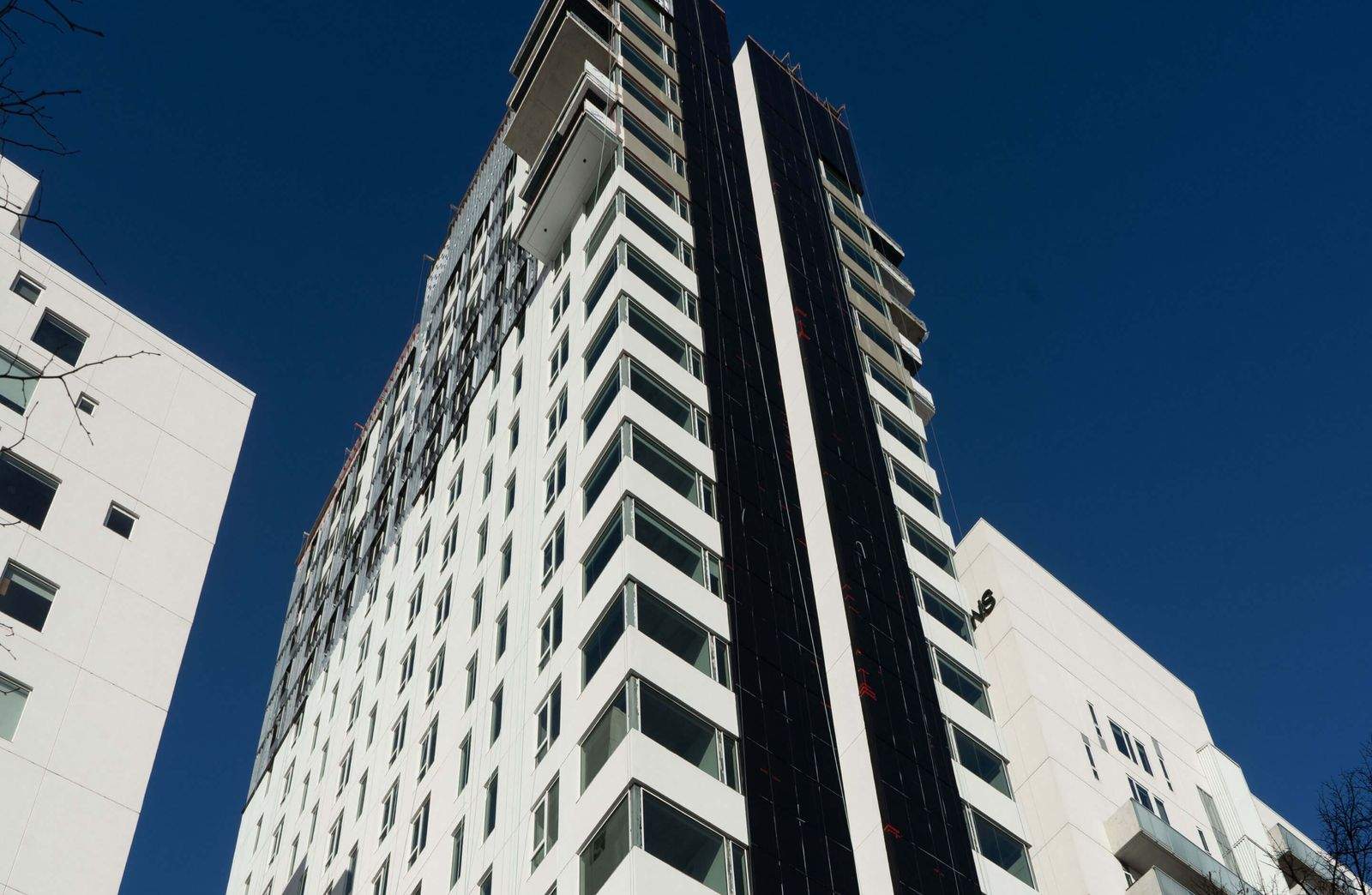
From a façade engineering perspective, the envelope combines solar-active cladding with high-performance wall assemblies, ensuring thermal efficiency, durability, and weather resistance suitable for Winnipeg’s extreme climate conditions. The BIPV elements are incorporated as part of a rainscreen-style façade system, contributing simultaneously to power generation, thermal control, and long-term envelope performance. This integration demonstrates how photovoltaic technology can be embedded without compromising architectural coherence or constructability.
The façade design also supports the building’s mixed-income residential program, delivering performance-led architecture at scale. With over 200 residential units, including a significant affordable housing component, the project illustrates how advanced façade technologies can be deployed beyond iconic office towers and into socially driven residential developments. 
For the glass, façade, and building envelope industry, 308 Colony serves as a compelling reference point. It highlights a growing trend where façades are no longer passive surfaces but multifunctional systems contributing directly to energy production, carbon reduction, and lifecycle performance. As net-zero targets become increasingly stringent, projects like Solara Flats signal a future in which the façade stands at the forefront of sustainable high-rise design.
Source: Mitrex with additional information added by Glass Balkan