Handling large-format, high-density panels is increasingly becoming a production issue rather than simply a material-handling task. A 12 mm HPL panel measuring 2,130 × 4,200 mm can weigh approximately 185 kg, making manual loading onto a CNC working table difficult, time-consuming and potentially hazardous.
For façade and architectural panel processors, the hidden costs extend beyond the physical effort. Large panels may require two or more operators for loading and positioning, while repeated handling increases the possibility of scratches, chipped edges and surface damage. Operator fatigue and ergonomic strain can also become significant when the same process is repeated throughout a production shift.
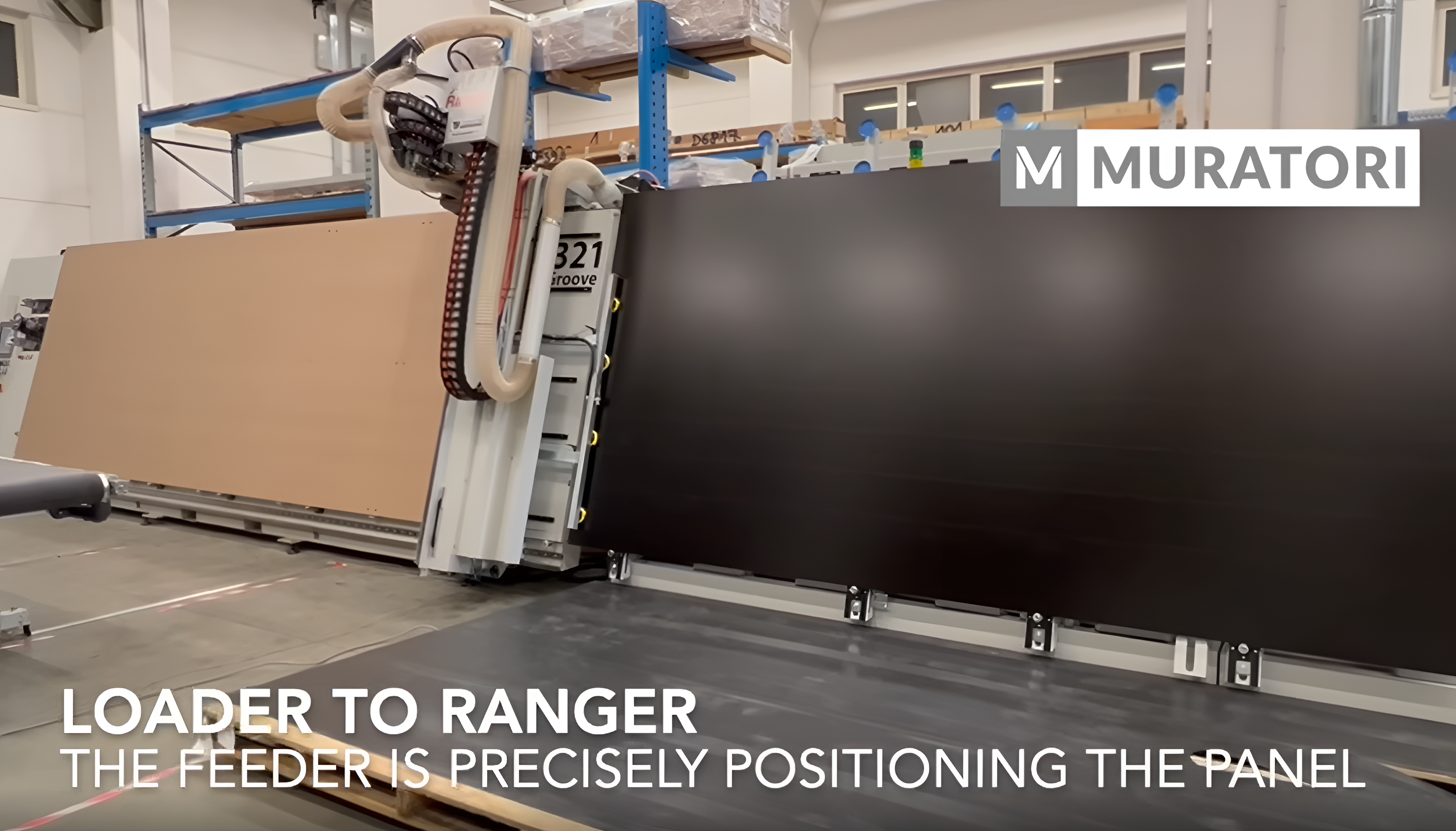
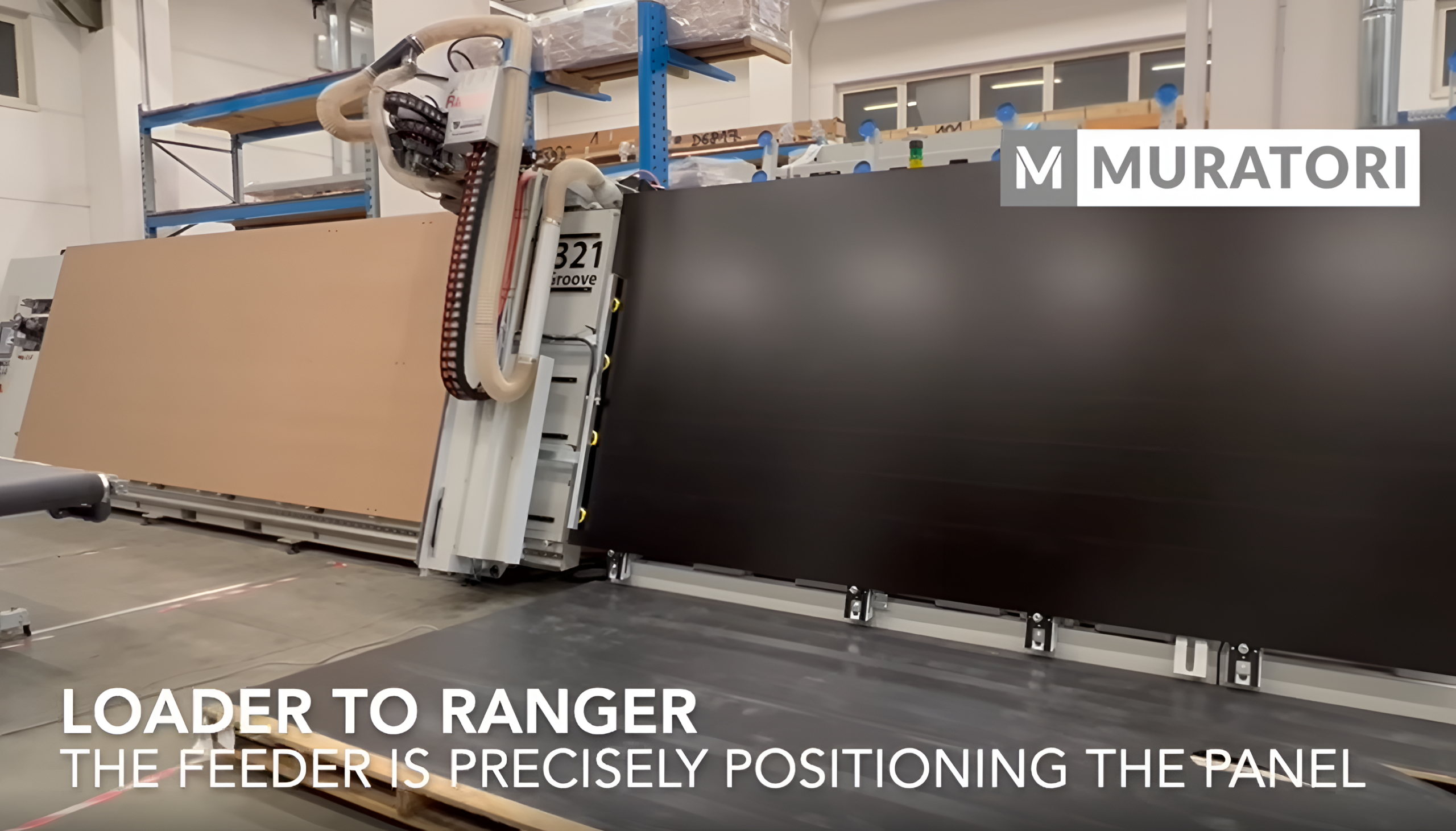
According to Muratori Machines, panel handling is an important area for automation in CNC processing, particularly when working with heavy materials such as HPL and fibre cement. The company identifies conventional loading operations as a potential bottleneck and has developed automated handling solutions designed to transfer and position panels mechanically rather than relying on manual lifting and flipping.
The productivity argument is closely linked to OEE (Overall Equipment Effectiveness). A CNC machine’s productivity cannot be measured only by spindle speed, feed rate or cutting time. If operators spend several minutes between cycles retrieving, lifting, aligning and securing the next panel, those intervals become non-value-added production time. 
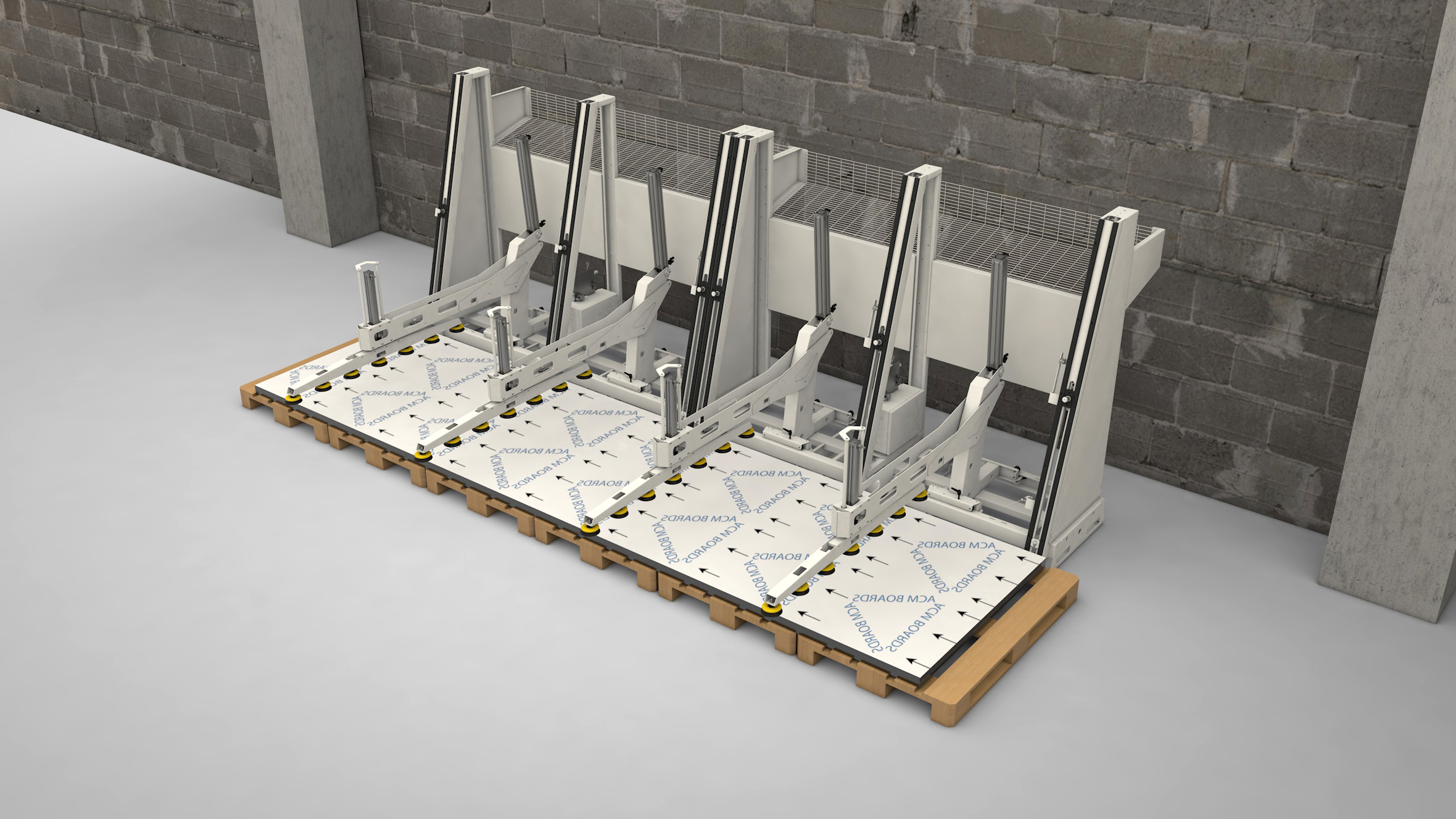
This is where integrated loading becomes significant. Mechanical lifting arms, vacuum handling and pop-up sliding bearings can create a more controlled sequence in which the panel is loaded, positioned and prepared for machining with considerably less manual intervention.
Muratori Machines also highlights the importance of the unloading stage. Automating only the loading operation can leave another bottleneck at the end of the machining cycle. A more efficient production cell therefore considers loading, machining and unloading as a continuous material-flow process.
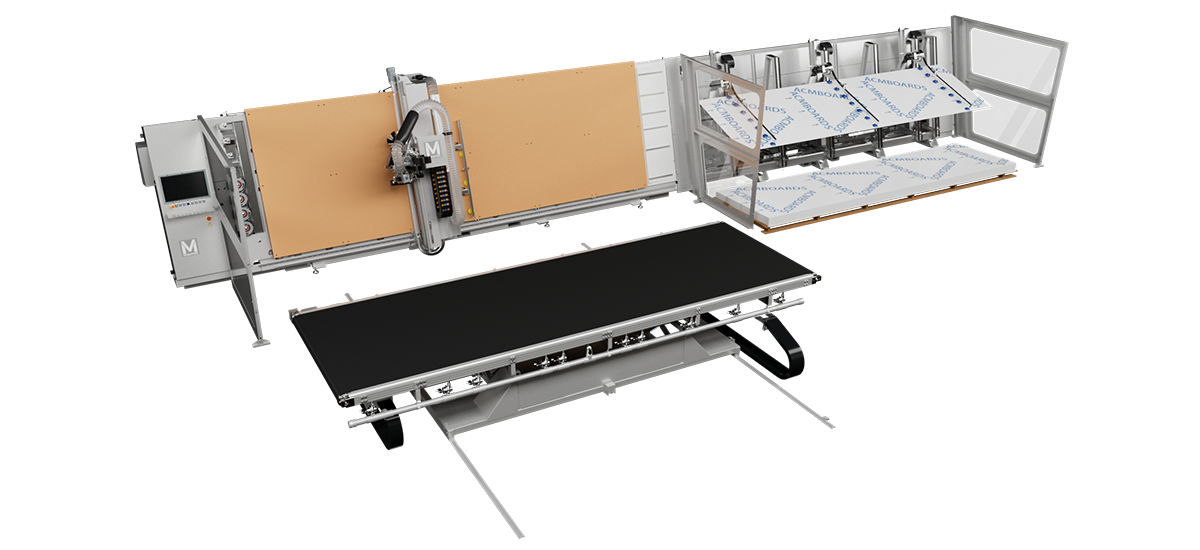
The implications are particularly relevant for manufacturers processing large-format architectural panels. Better handling can reduce operator dependency, improve repeatability, protect finished surfaces and help maintain more predictable cycle times.
The broader lesson is that CNC automation is no longer only about cutting faster. Productivity is determined by the complete workflow surrounding the machine. Eliminating small interruptions between machining cycles can ultimately have a greater impact on throughput than increasing cutting speed alone.
Source: Glass Balkan