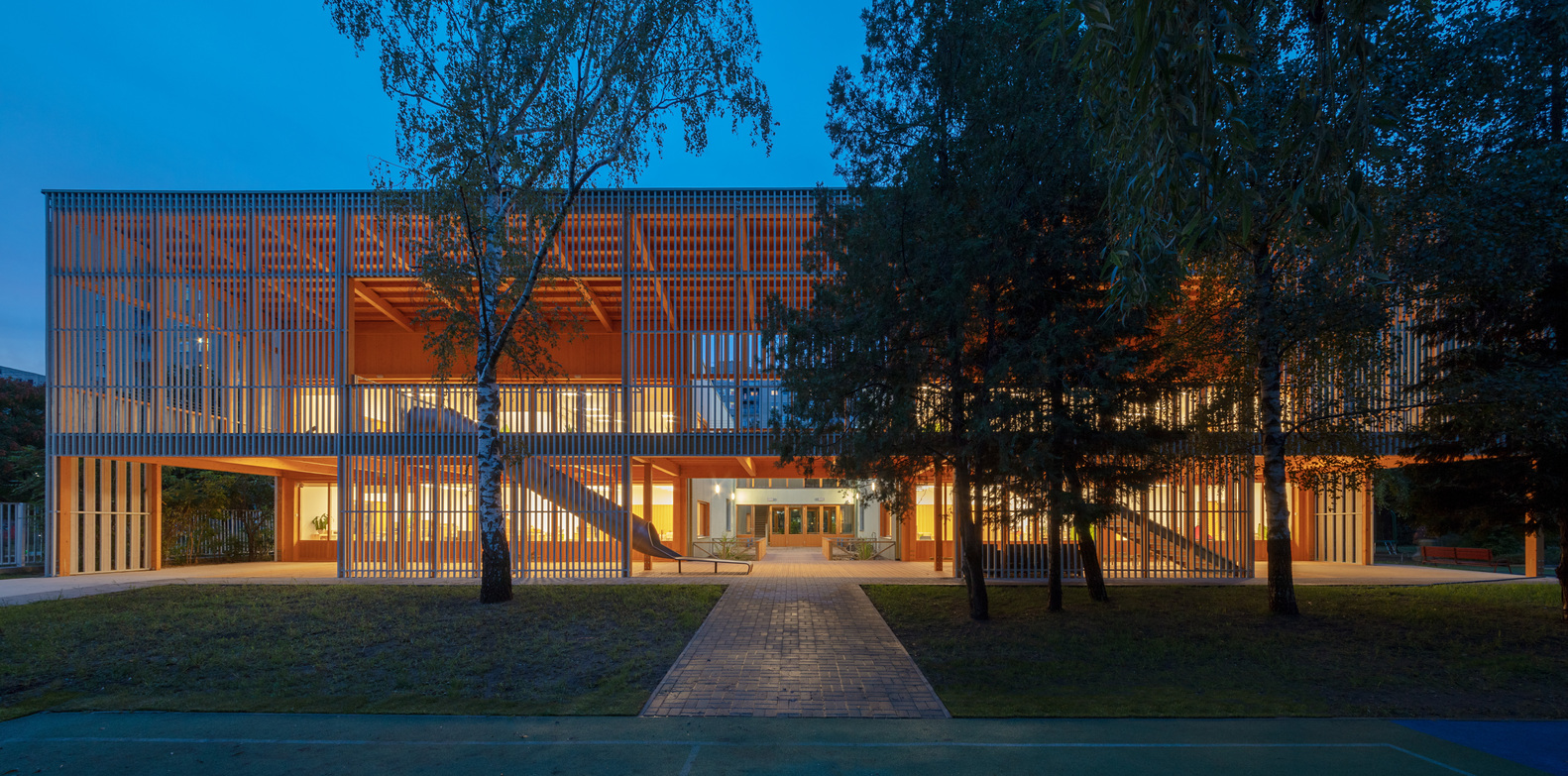
Located near the Danube in Budapest, Vizafogó Kindergarten represents a thoughtful transformation of a typical 1980s socialist-era prefabricated building into a contemporary, inspiring educational space. Surrounded by ten-story panel flats, the kindergarten originally consisted of a modest two-story structure with eight classrooms, built from reinforced concrete elements in line with the construction trends of the time.
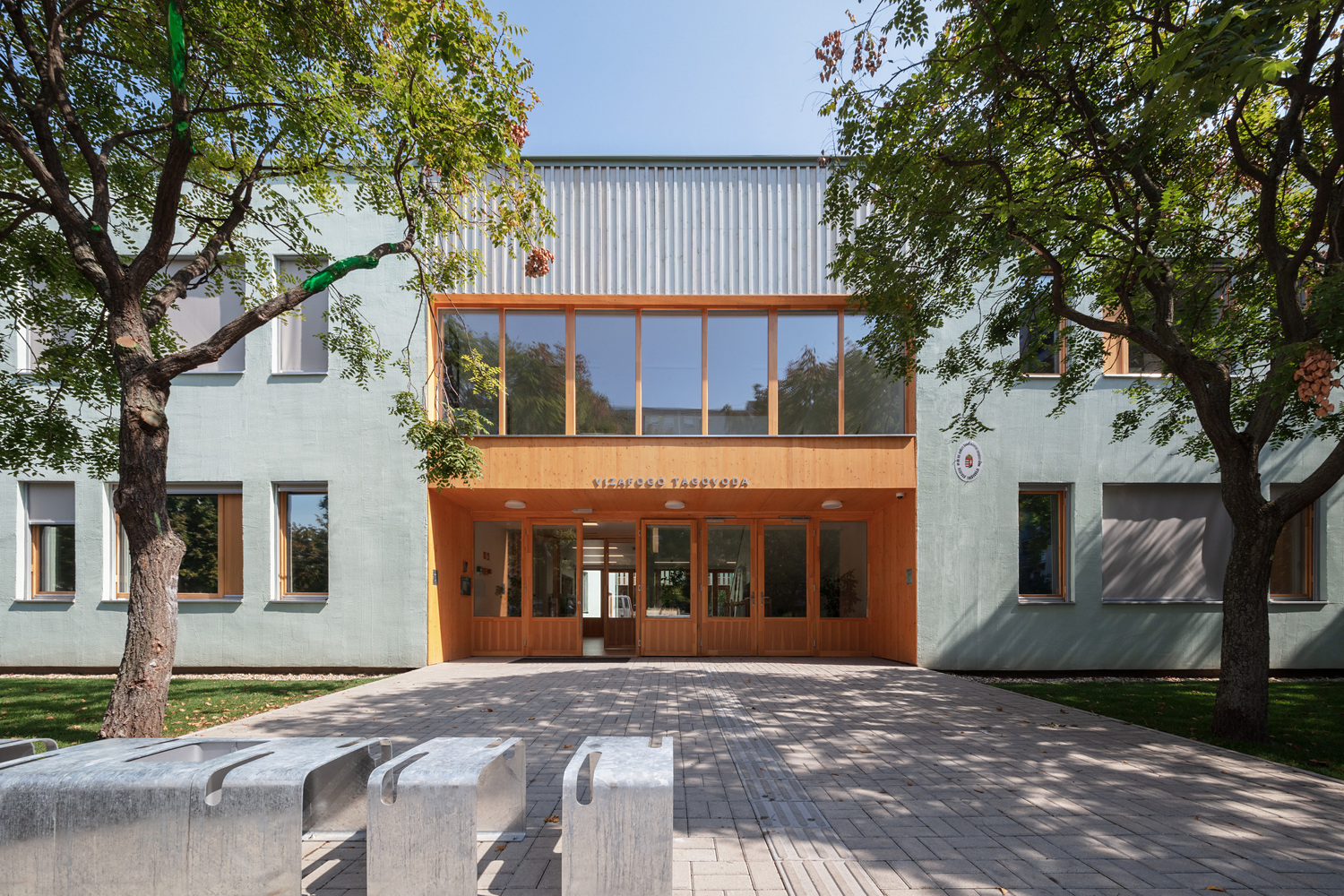
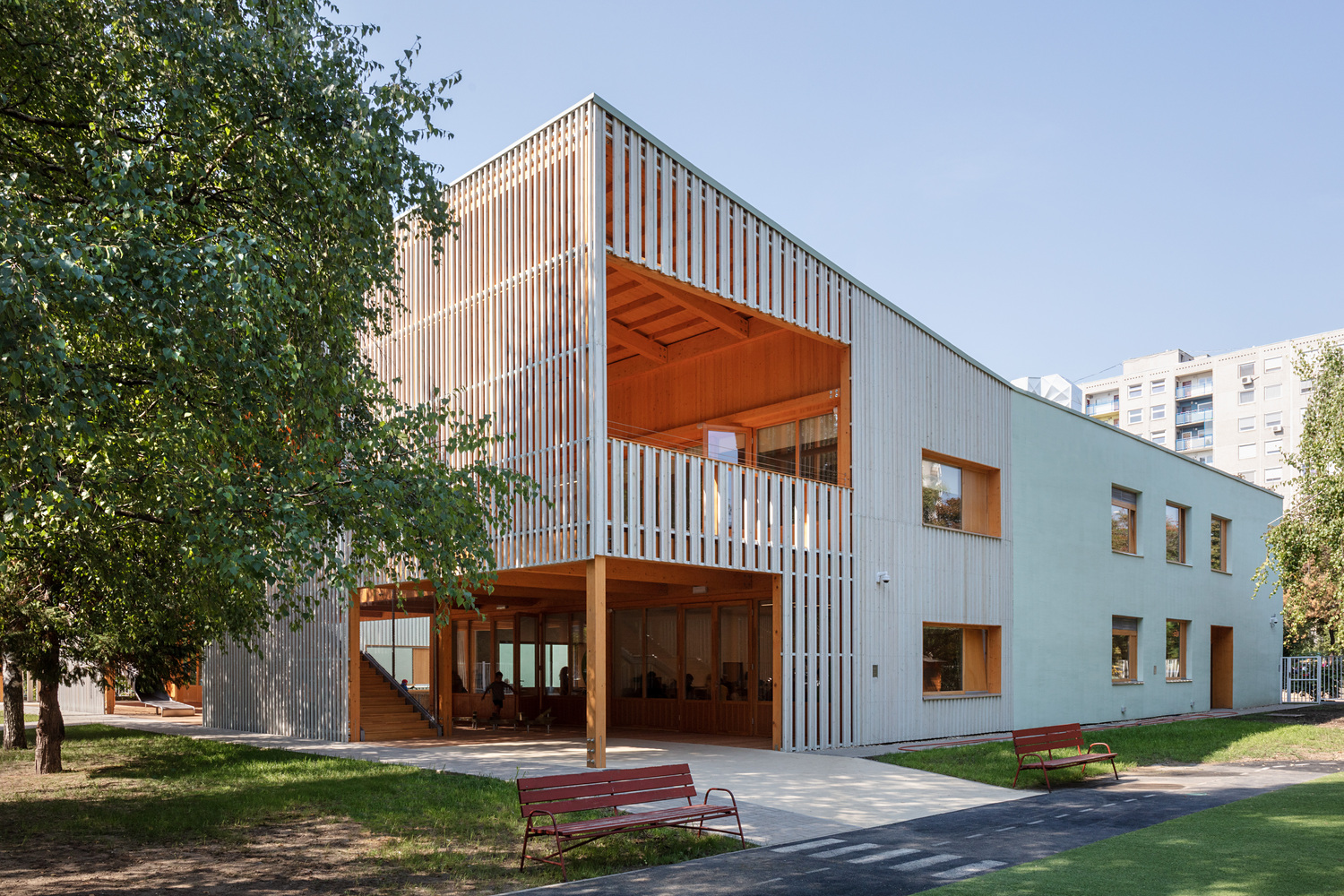
Archikon Architects undertook a sensitive renovation and extension that preserved the essence of the original building while introducing a distinct architectural identity. The expansion extended classrooms toward the original courtyard, creating more functional space for restrooms, changing areas, and other service functions without increasing the building’s overall capacity. A covered wooden outdoor playground was added at the front, introducing a tactile, playful element that enhances the connection between indoor and outdoor activities.
© Tamás Bujnovszky
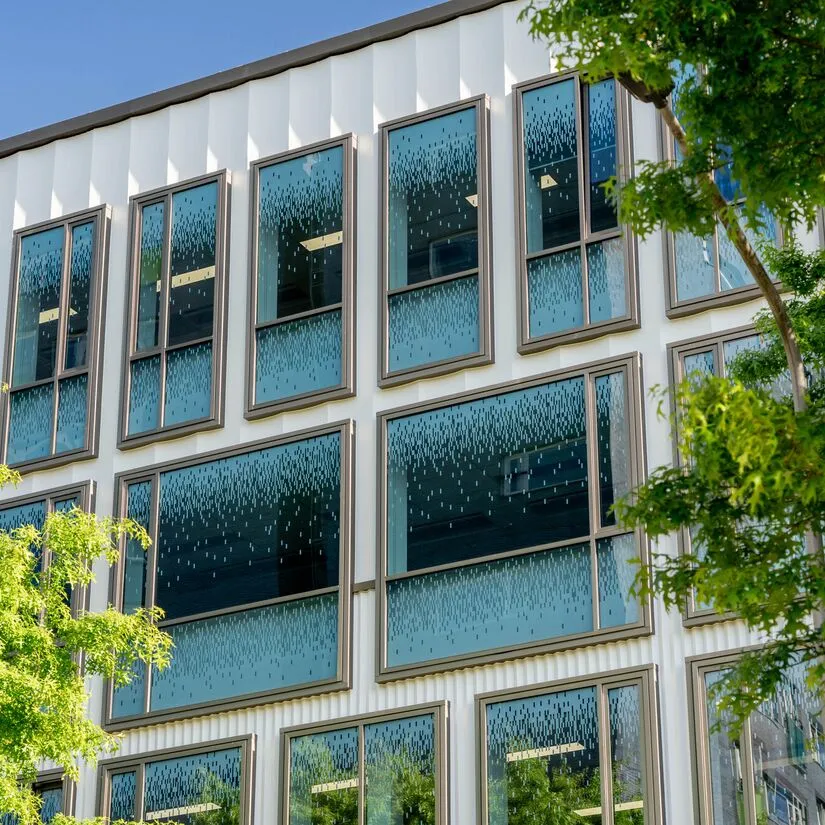
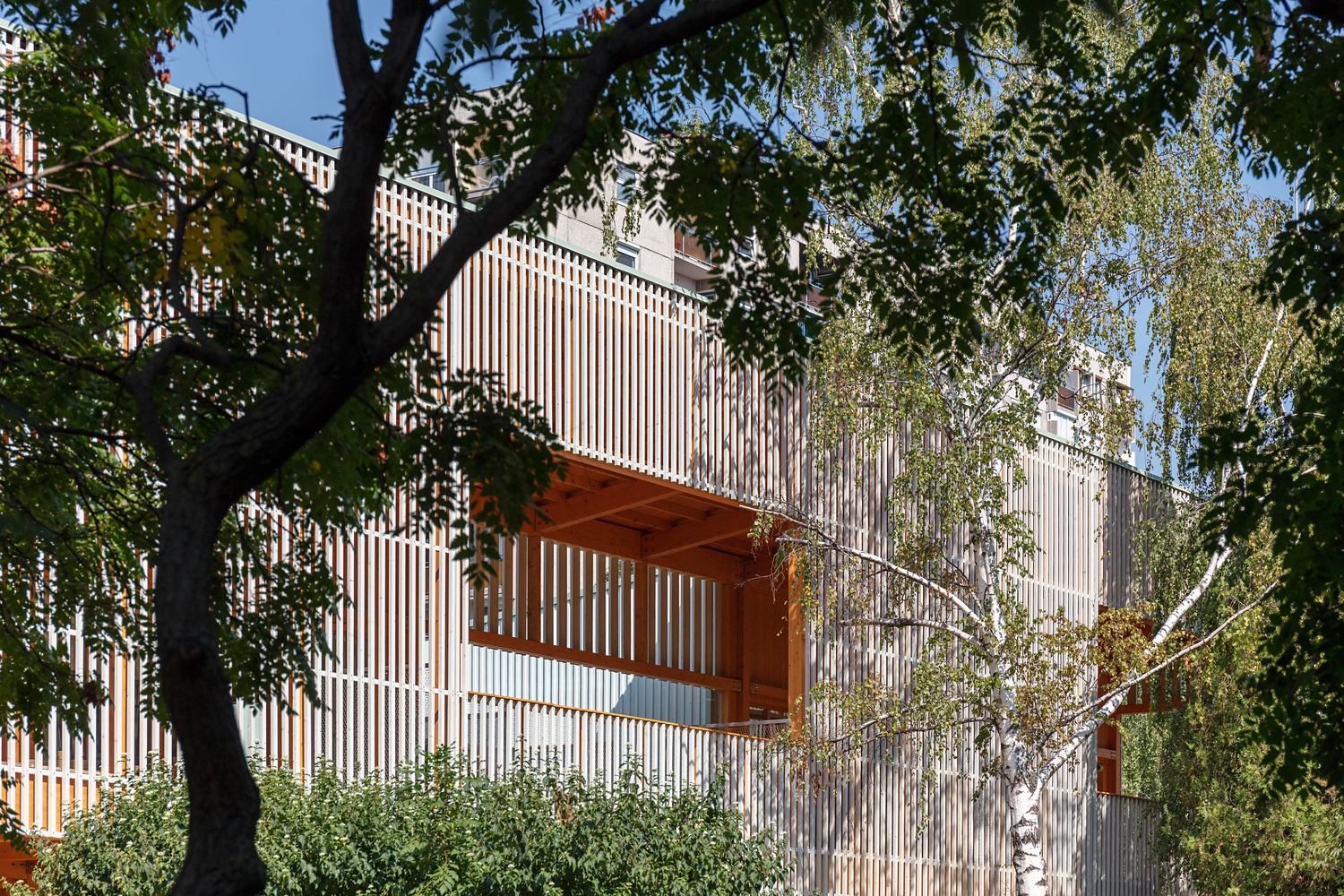
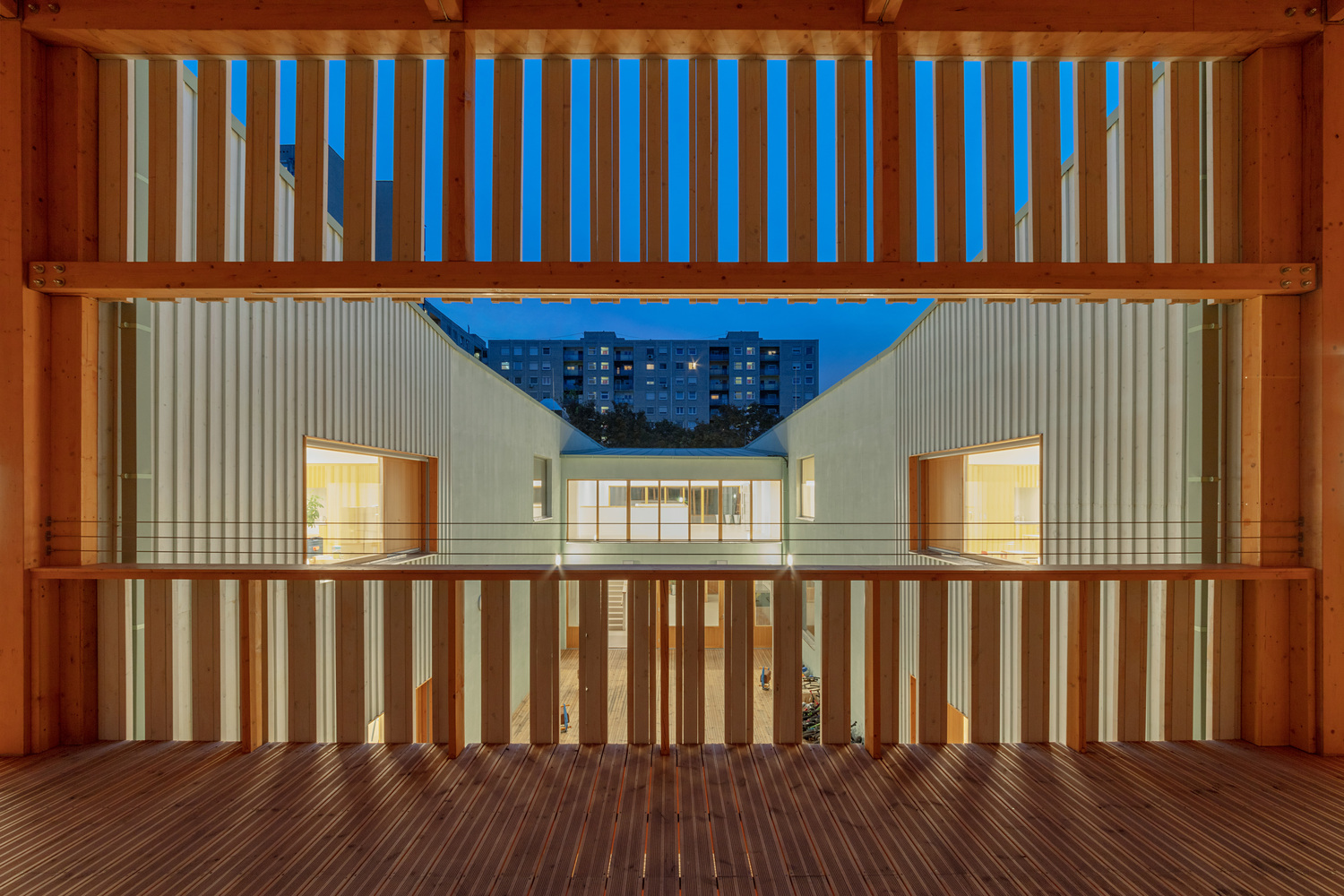
The redesign balances functionality with aesthetics. The interiors, once dominated by rigid concrete lines, were softened through wooden finishes, furniture accents, and openings that lend warmth and tactility to the space. Externally, the building now features large openings, wooden-framed windows, and a bold new color palette that clearly distinguishes it from the surrounding gray panel blocks. The striking play terrace at the backyard, complete with slides and outdoor games, not only enhances children’s experience but also breaks the monotony of the uniform housing estate.
© Tamás Bujnovszky
© Tamás Bujnovszky
Beyond its visual impact, Vizafogó Kindergarten integrates sustainability and environmental awareness into its design, reflecting the proximity to the Danube and supporting educational programs focused on water and nature. Through this thoughtful combination of renovation, extension, and material choices, Archikon Architects have transformed a rigid, utilitarian structure into a lively, human-centered environment that both children and the broader community can enjoy. 
Area: 1,962 m² | Year: 2019 | Architects: Csaba Nagy, Károly Pólus, Ágnes Tőrös
Source: eu-architecturalheritage.org with additional information added by Glass Balkan