The use of triple insulating glass with a thin glass centre pane is rapidly becoming a defining technology in the façade and glazing industry. As energy regulations tighten and refurbishment activity increases across Europe, this solution is gaining strong attention in 2025 and is expected to see wider adoption in 2026.
Through close collaboration, HEGLA, Corning Incorporated, and Glaston Corporation have developed a coordinated production concept that combines ultra-thin glass technology with advanced insulating glass manufacturing and automated handling systems. The result is a triple glazing configuration that delivers enhanced thermal performance while maintaining a slim overall build-up comparable to standard double glazing.
This reduced thickness is particularly relevant for renovation projects, where existing window frames often restrict the use of conventional triple glazing. By integrating a thin centre pane, building envelopes can achieve lower heat loss and improved energy performance without altering façade dimensions or structural details.
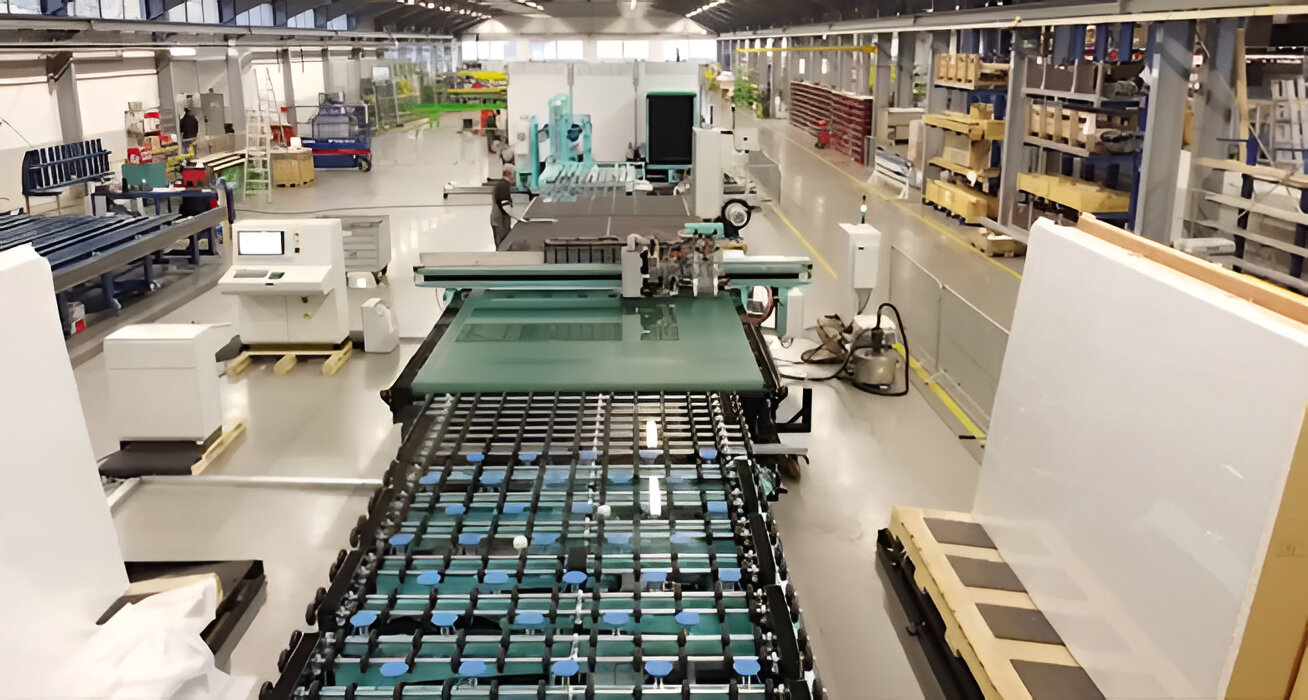
Beyond performance benefits, the technology supports sustainability goals by reducing operational energy demand and associated emissions. To meet the demanding processing requirements of ultra-thin glass, HEGLA’s automated solutions ensure precise, safe handling throughout production, enabling consistent quality at industrial scale. 
With practical benefits for both new builds and retrofits, thin triple insulating glass is transitioning from innovation to a viable standard for high-performance façades.
Source: blog.a-w.com with additional information added by Glass Balkan