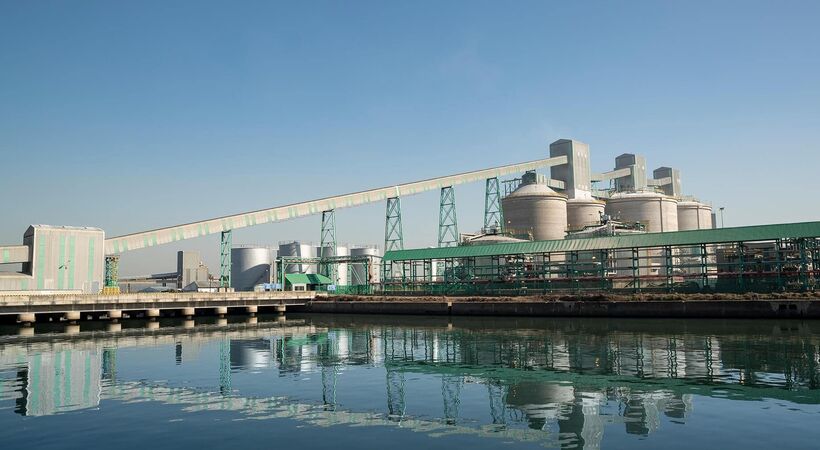
The Mozal Aluminium smelter in Mozambique, one of Africa’s largest primary aluminium producers, is set to be placed on care and maintenance from around 15 March 2026, following the failure to secure a long-term electricity supply agreement beyond the expiry of its current contract.
Owned by South32, Mozal has been in prolonged negotiations with the Government of Mozambique, Hidroeléctrica de Cahora Bassa (HCB) and South Africa’s Eskom to establish a reliable and affordable power supply. Despite extensive discussions, the parties were unable to reach agreement, primarily due to disagreements over electricity pricing and growing supply constraints. These challenges have been intensified by ongoing drought conditions, which have reduced hydroelectric generation at HCB and increased reliance on higher-cost imported power.
Aluminium smelting is highly energy-intensive, and electricity accounts for a significant proportion of operating costs. Without a competitively priced power contract, continued operation of Mozal beyond March 2026 was deemed economically unviable. South32 CEO Graham Kerr acknowledged the difficulty of the decision, highlighting the company’s focus on supporting employees, suppliers, customers and local communities during the transition period.
Mozal’s FY26 production guidance remains unchanged at 240,000 tonnes, covering output up to March 2026. Beyond that point, the smelter will cease production while remaining in a condition that allows for a potential restart should conditions improve. South32 estimates that the one-off cost of placing the operation into care and maintenance will be approximately US$60 million, including employee separation costs and the termination of contractor agreements. 
As part of the transition, alumina previously supplied from South32’s Worsley Alumina refinery to Mozal will be redirected and sold to third-party customers.
The move carries significant implications for Mozambique’s industrial sector and regional supply chains, underscoring the critical role of stable, competitively priced electricity in sustaining energy-intensive manufacturing across Southern Africa.
Source: South32 with additional information added by Glass Balkan