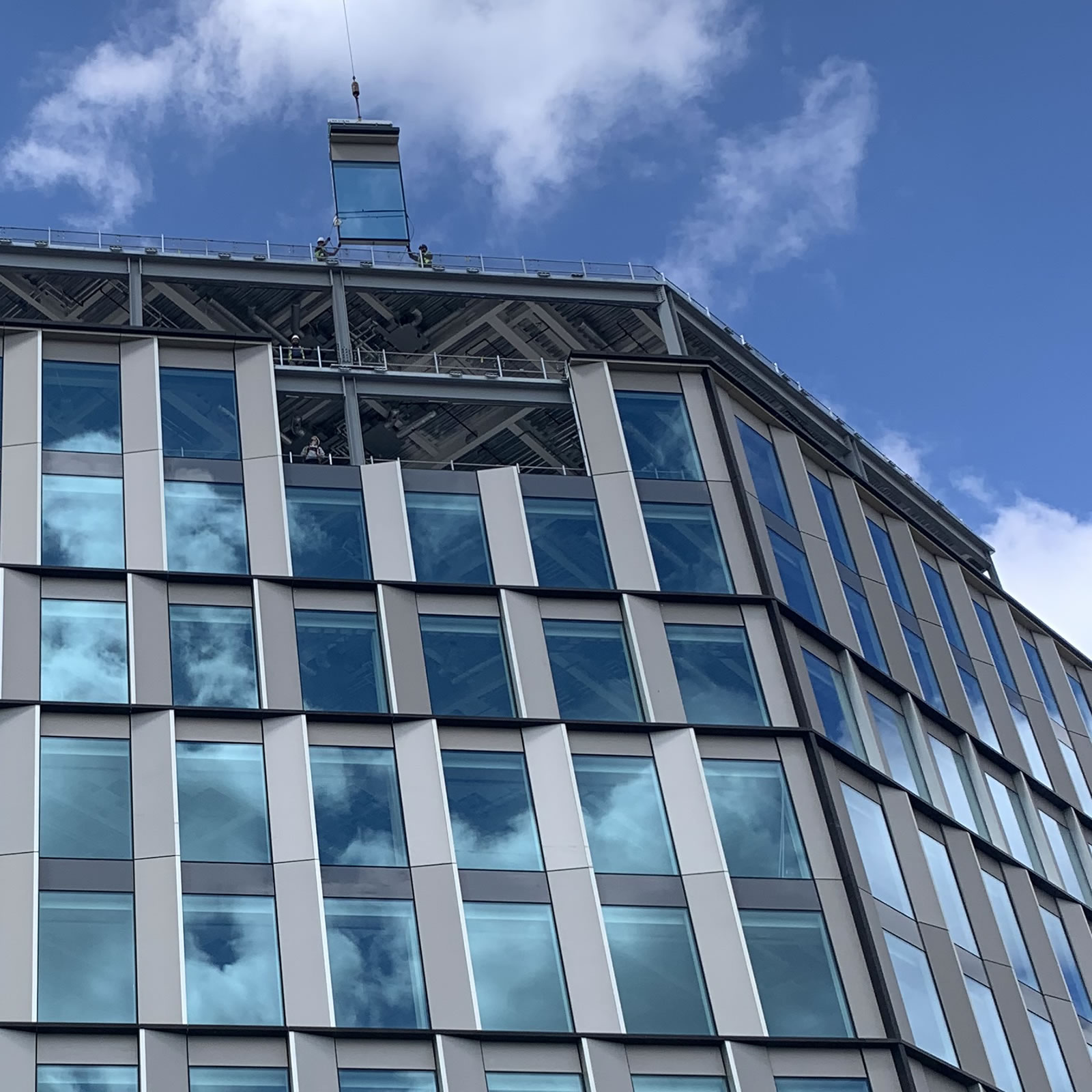
In modern architecture, the façade of a high-rise building is more than a protective skin, it is a statement of design, engineering capability, and long-term performance. One of the most common debates in façade design revolves around two dominant systems: structural glazing and traditional curtain walls. While both technologies are widely used in contemporary towers, choosing between them involves balancing aesthetics, cost, performance, and maintenance strategy.
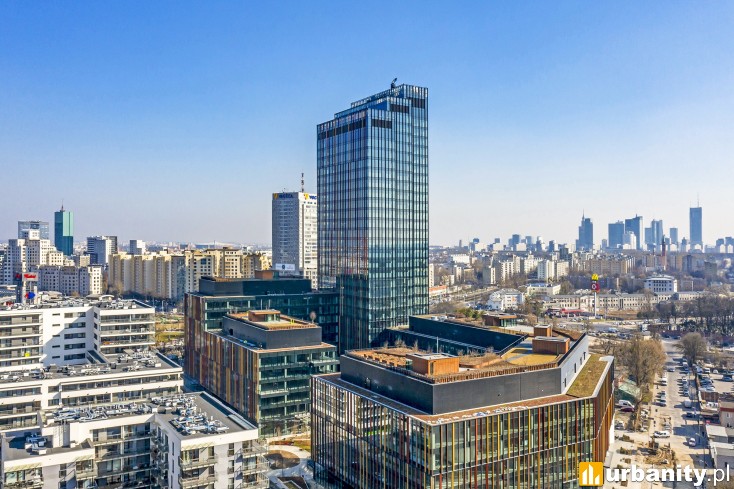
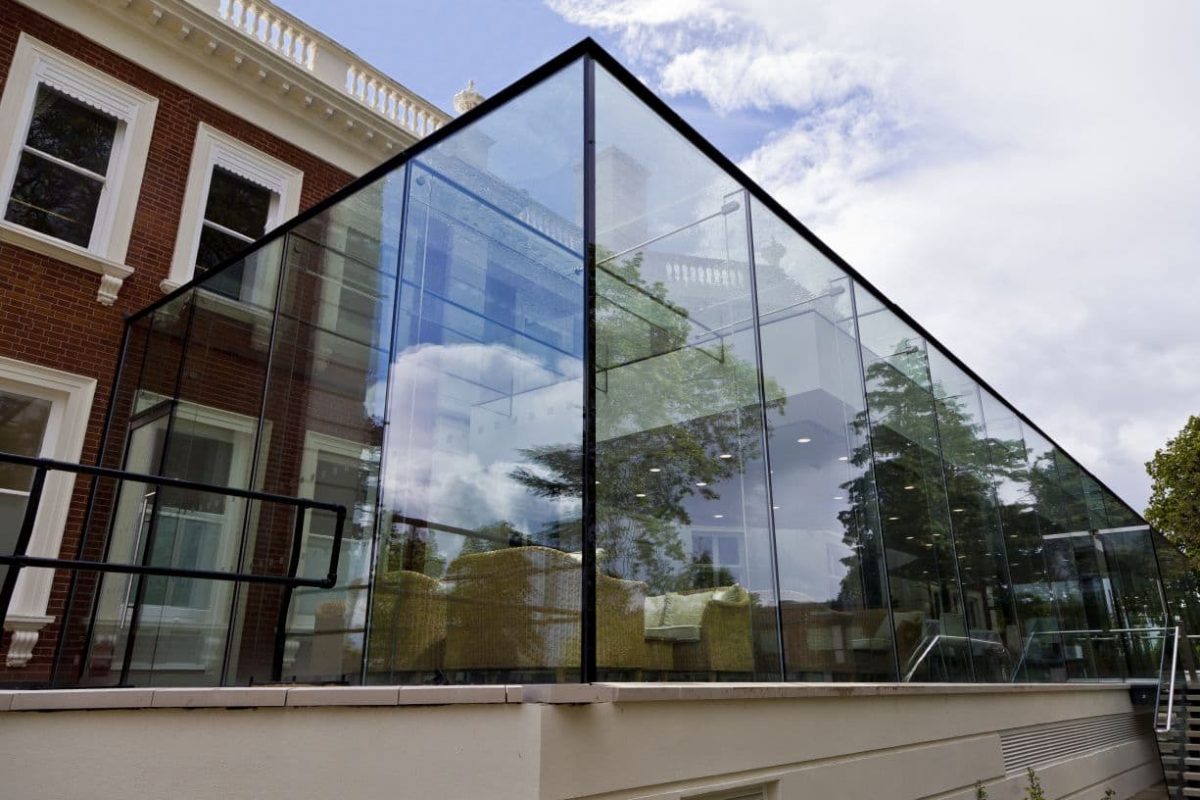
Structural glazing systems are often associated with the seamless, all-glass appearance seen in many iconic skyscrapers. In these systems, glass panels are bonded to the structural frame using high-performance silicone sealants, eliminating visible mechanical fasteners or exterior caps. The result is a flush, uninterrupted glass surface that architects often prefer for its minimalistic and elegant look. However, this visual purity requires extremely precise fabrication and installation, typically performed in controlled factory conditions. Any deviation in tolerances can affect performance, making structural glazing a system that demands specialized expertise.
Traditional curtain wall systems, by contrast, rely on mechanical fixing methods, typically using aluminium pressure plates and external caps to secure the glass. These elements create the recognizable grid pattern commonly seen on office towers worldwide. While the aesthetic may be less visually seamless, traditional systems provide greater flexibility during installation, as many components can be assembled on site. This often translates into faster construction timelines and lower initial costs.
Maintenance considerations also play a critical role in system selection. Curtain walls allow for simpler replacement of individual glass panels or components, which can be advantageous for long-term building operations. Structural glazing systems, on the other hand, require regular inspection of silicone joints to ensure sealant integrity over time. 
Source: Glass Balkan