Automated visual inspection has become a standard component of insulating glass unit (IGU) production. Camera-based systems and scanners provide reliable detection of surface and assembly-related defects, helping manufacturers ensure consistent appearance and basic structural integrity. However, visual inspection alone cannot verify the functional performance of an IGU, particularly its thermal efficiency and long-term reliability.
This limitation has led many manufacturers to integrate gas measurement into their quality control process, using devices from Sparklike.
Defects detected by visual inspection systems
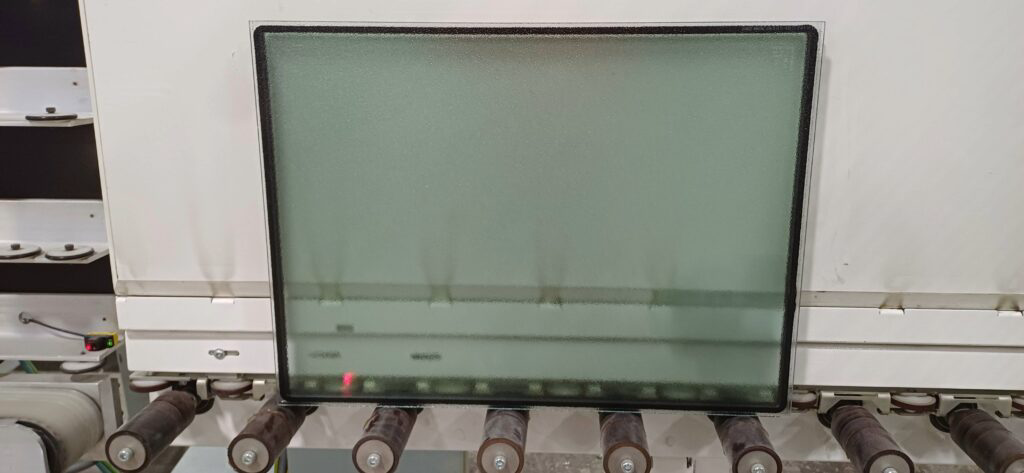
Automated inspection systems are effective at identifying defects that are visible and measurable on the glass surface or assembly level, including:
- Scratches, dirt and inclusions caused during cutting, washing or handling
- Edge defects and chipping resulting from cutting or grinding, which can affect durability
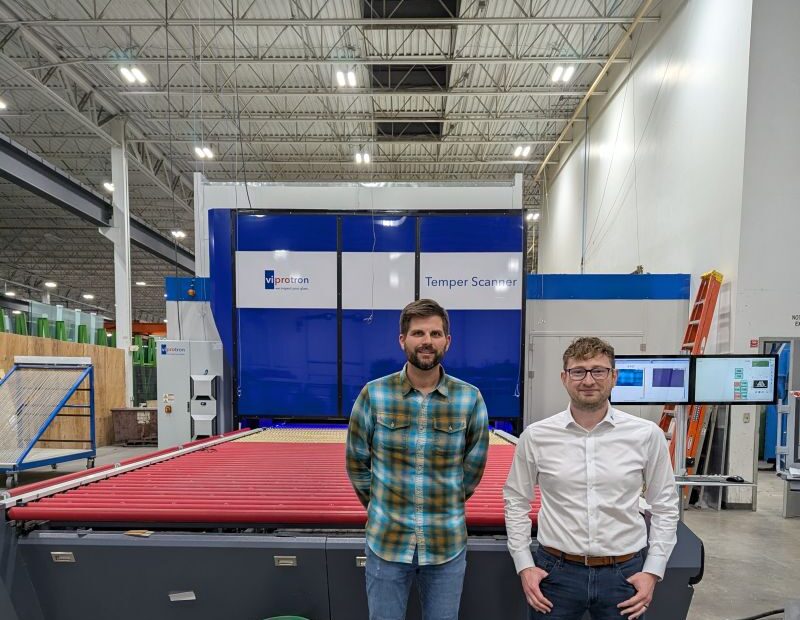
- Optical distortion and roller wave, commonly associated with tempered glass and detected by systems such as those from Viprotron and Softsolution
- Anisotropy, a visual effect created by stress patterns during tempering
- Visible spacer misalignment or assembly defects that may lead to mechanical stress
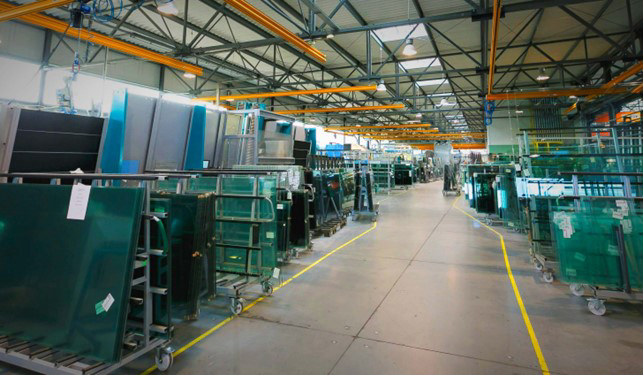
These inspections ensure that IGUs meet visual and dimensional quality requirements before leaving the production line. 
Critical IGU issues not detectable visually
Incorrect gas fill levels
Gas filling is a key determinant of IGU thermal performance. An IGU can appear flawless while containing significantly less argon or krypton than specified. Measurements carried out with Sparklike devices have revealed:
- Gas fill rates as low as 50–60% of target values
- Variations between operators and production shifts
- Inconsistencies between double and triple glazing
- Temperature-related filling deviations
By measuring gas concentration directly, manufacturers have been able to optimise filling parameters and achieve more consistent U-values.
Gas leakage over time
Even IGUs that pass factory inspection may lose gas after installation due to environmental stress, transport or climatic conditions. Long-term measurements have shown that changes in altitude and temperature can influence gas retention, affecting insulating performance months after production.
Seal integrity issues
Visual inspection cannot confirm whether an IGU seal is maintaining its hermetic function. A seal may appear intact while allowing gradual gas loss. Sparklike devices measure noble gas content as a percentage, enabling repeated measurements over time to monitor seal performance and identify potential failures early.
Comprehensive quality control approach
Combining automated visual inspection with gas concentration measurement provides a more complete assessment of IGU quality. While visual systems confirm appearance and assembly accuracy, gas measurement verifies insulation performance and durability. This combined approach allows manufacturers to move beyond visual conformity and ensure that IGUs perform as specified throughout their service life.
Source: Sparklike with additional information added by Glass Balkan