


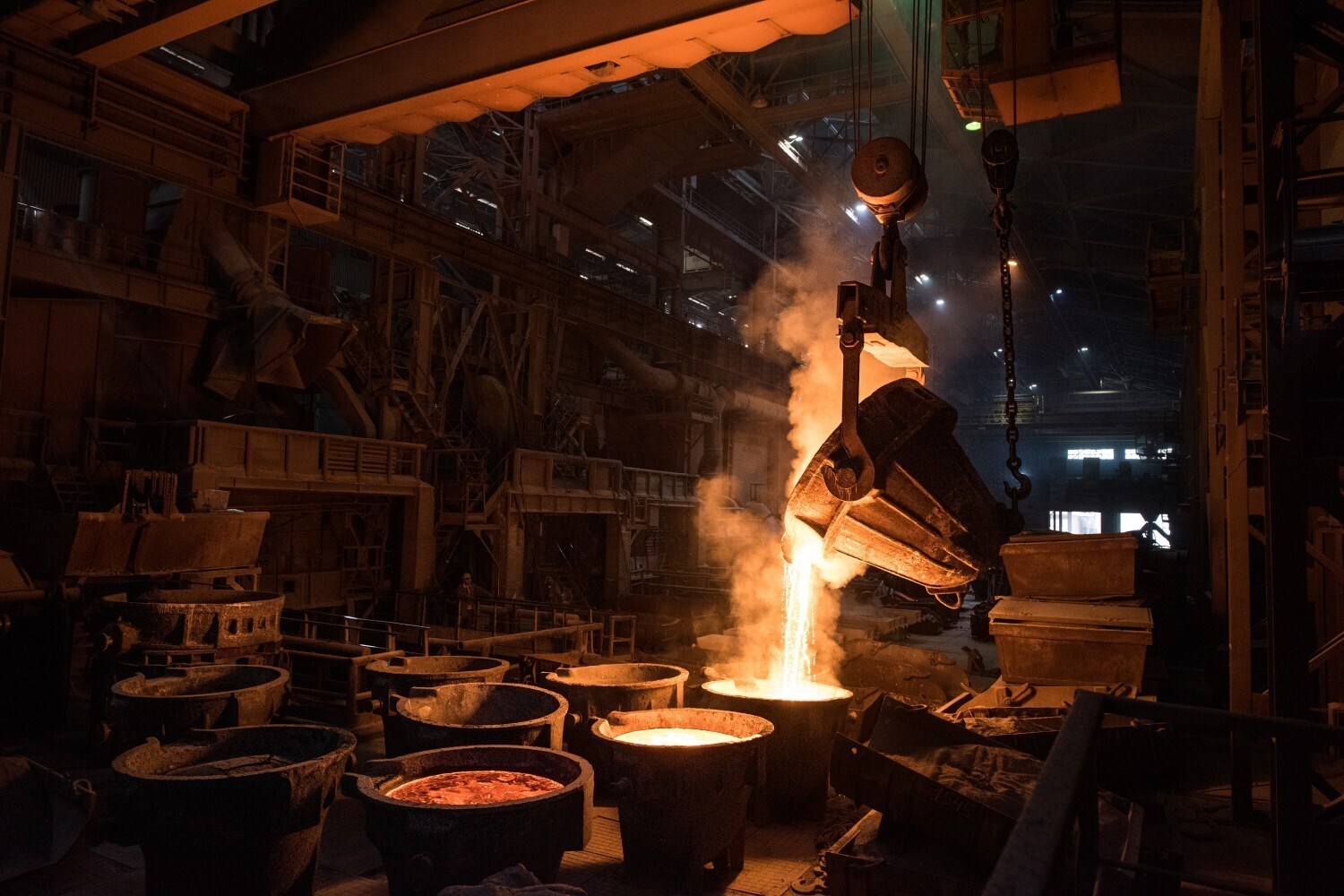
Rio Tinto is sharpening its long-term strategy with a stronger focus on aluminium, positioning the metal as a key driver of future growth amid rising global demand for low-carbon materials. Under the leadership of Jérôme Pécresse, the company is actively expanding beyond its traditional production hubs in Canada, Australia, and New Zealand.
At the core of this strategy is Rio Tinto’s AP60 smelting technology, designed to significantly reduce emissions while improving energy efficiency. When powered by hydropower, particularly in Canada, the AP60 process produces roughly one-seventh of the industry’s average emissions per tonne of aluminium. This gives the company a competitive edge as industries worldwide transition toward more sustainable supply chains.
Rio Tinto is now exploring new opportunities across Europe, Asia, and Latin America. In Finland, the company is studying the development of a low-carbon aluminium plant in Kokkola, which could become the first primary aluminium facility built in continental Europe in over three decades—and the first to deploy AP60 technology outside Canada.
In India, plans are underway for a large-scale integrated smelter primarily targeting export markets. The success of this project will depend on access to reliable renewable energy sources, including hydropower, to ensure cost-efficient and sustainable production. 
Meanwhile, in Brazil, Rio Tinto is advancing a joint acquisition with Aluminum Corporation of China Limited to secure a stake in Companhia Brasileira de Alumínio (CBA), strengthening its footprint in the regional aluminium market.
Source: Rio Tronto with additional information added by Glass Balkan



Comments are closed.