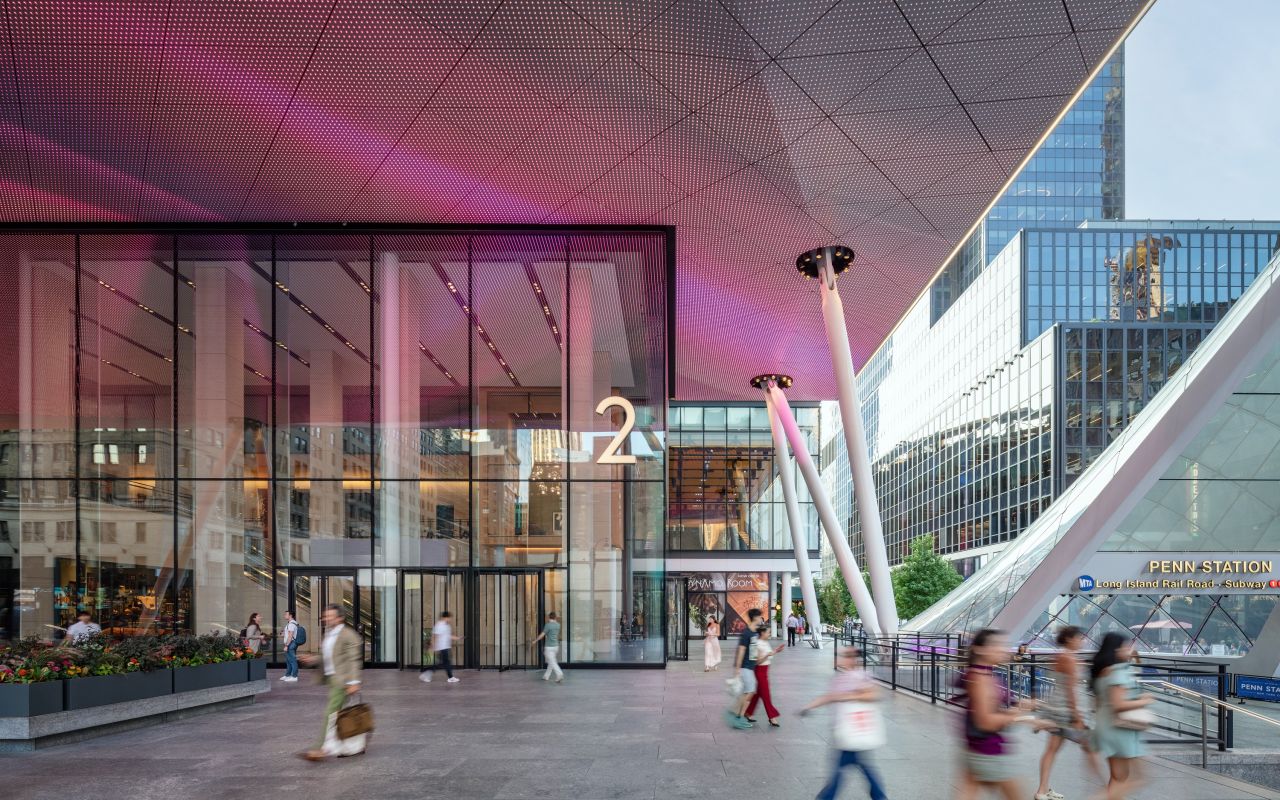
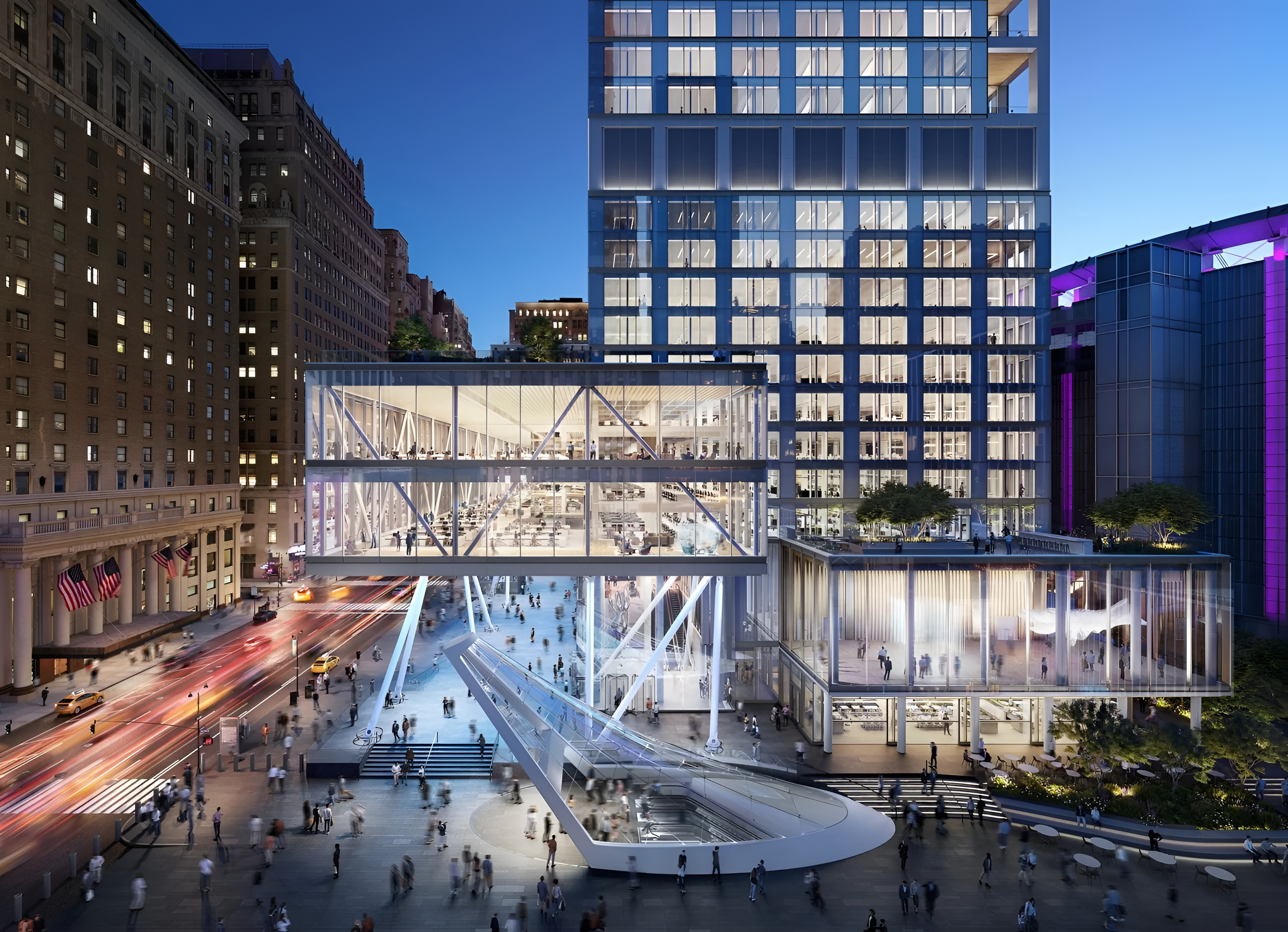
The redevelopment of PENN 2 and Plaza 33, part of the broader transformation of the Penn District in Midtown Manhattan, represents a major step in redefining how architecture, infrastructure, and public space interact in one of the world’s busiest urban environments. Recognized by the Municipal Art Society of New York with a MASterworks Award, the project brings together a wide network of specialists whose combined expertise shaped both the architectural identity and technical performance of the development.
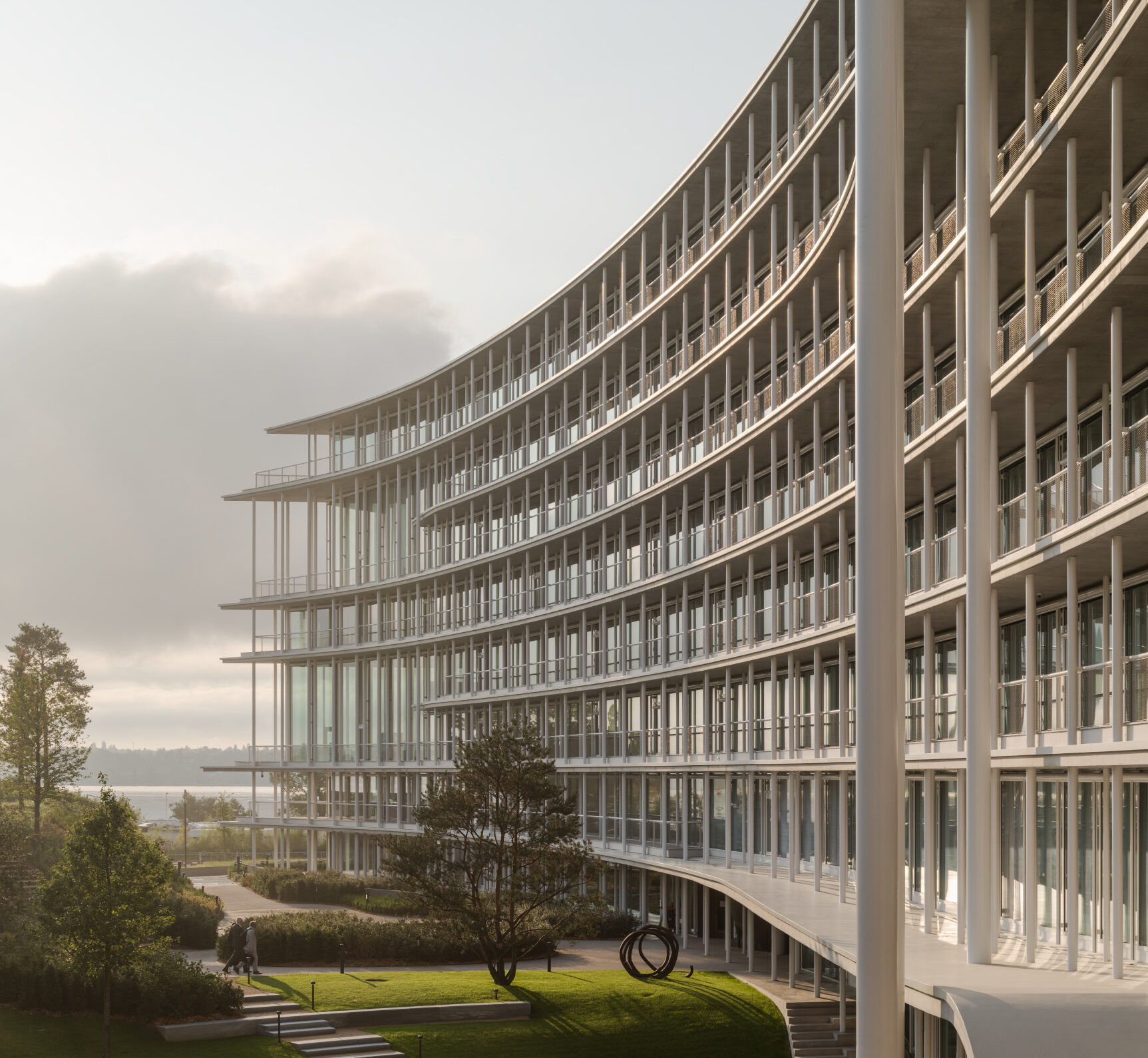
At the center of this transformation is the building envelope, a high-performance glass façade system that defines the visual and environmental character of PENN 2. The façade is the result of close coordination between glass manufacturing, curtain wall engineering, structural design, and environmental performance analysis.
Glass Supply and Façade Execution
A key contributor to the glass system is TVITEC System Glass, responsible for the supply of architectural glazing used in the façade assembly. As a specialist in high-performance glass products, TVITEC provided the base material for the building’s exterior envelope, supporting requirements for transparency, durability, and energy efficiency.
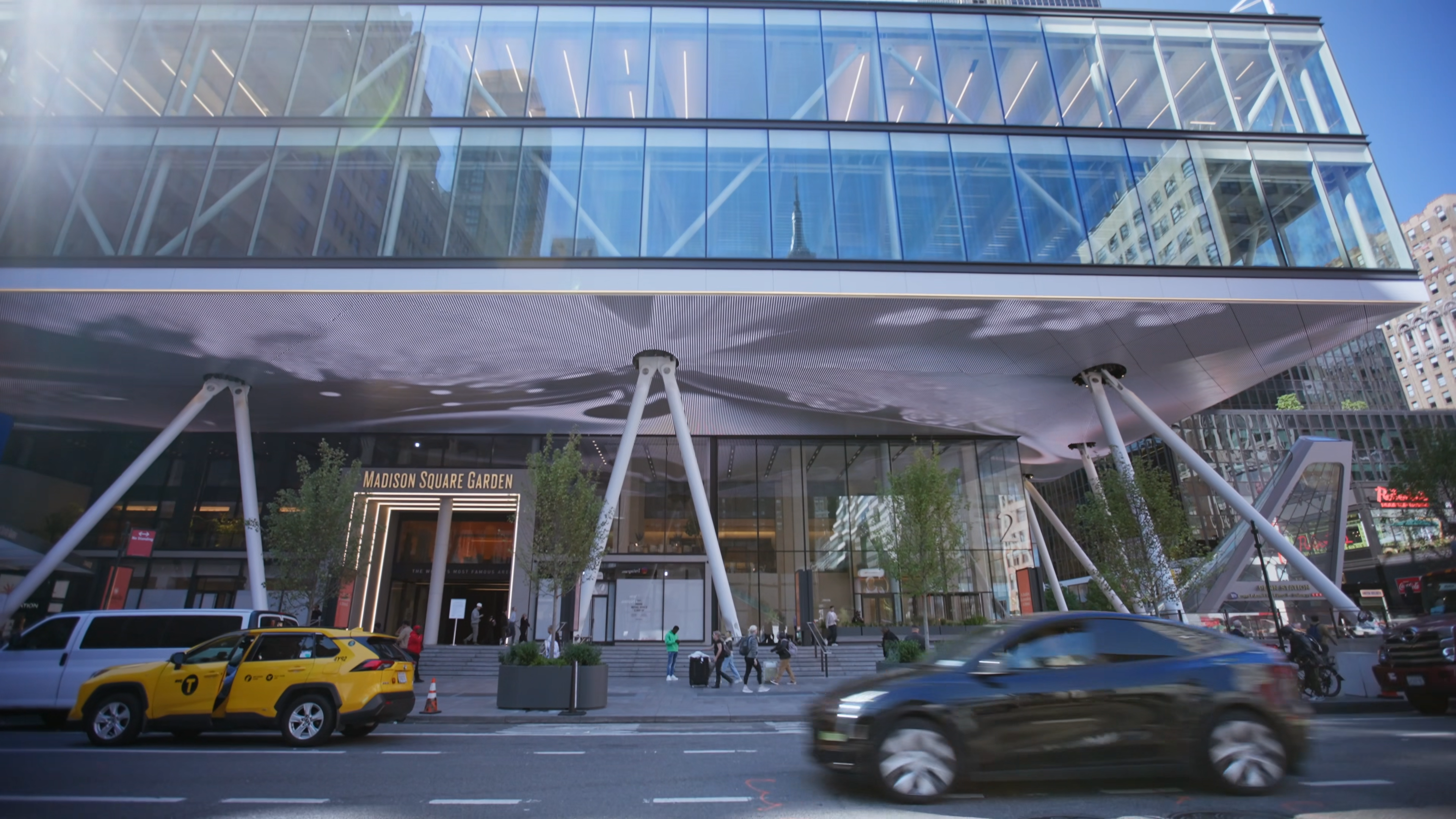
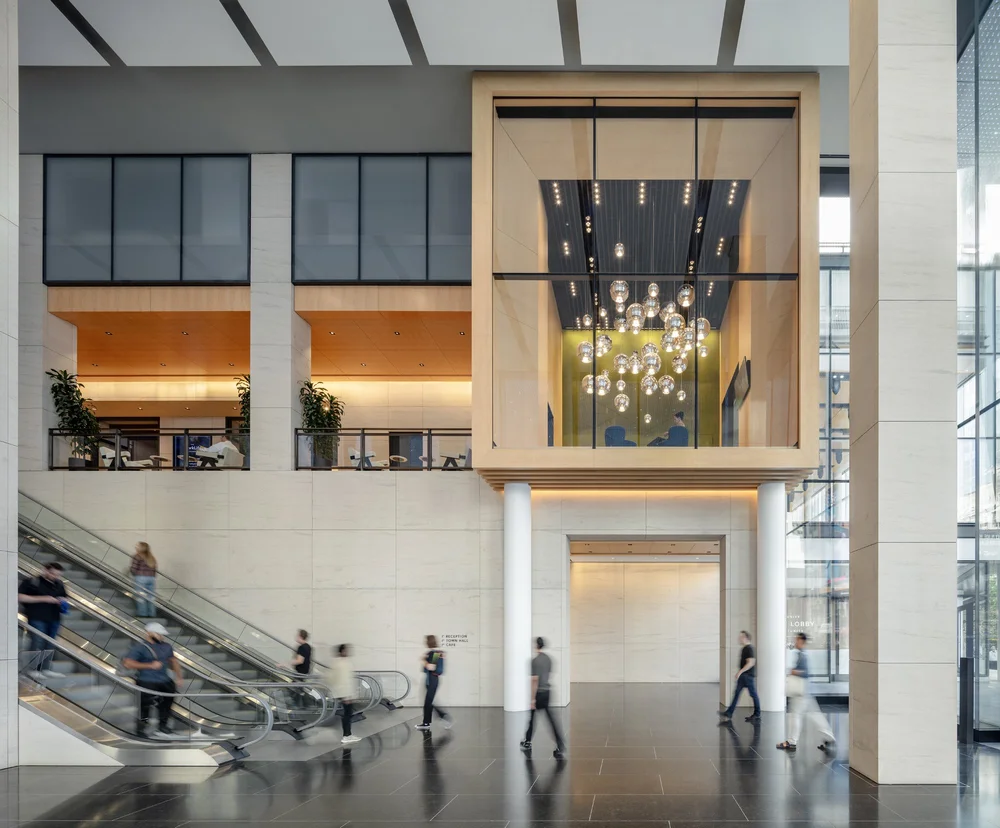
The installation and curtain wall execution were carried out by W&W Glass, a major façade contractor known for delivering complex unitized systems in dense urban environments. Their role included translating architectural intent into a buildable façade system and coordinating installation within the highly constrained conditions above and around Penn Station. 
In addition, seele contributed as a façade specialist, supporting advanced architectural envelope systems where precision engineering and structural glass integration are required. Their expertise is typically applied in areas where façade geometry, detailing, or structural glass components demand high technical complexity.
Engineering the Performance of Glass
The performance of the glass façade was not defined by material alone, but through extensive engineering collaboration.
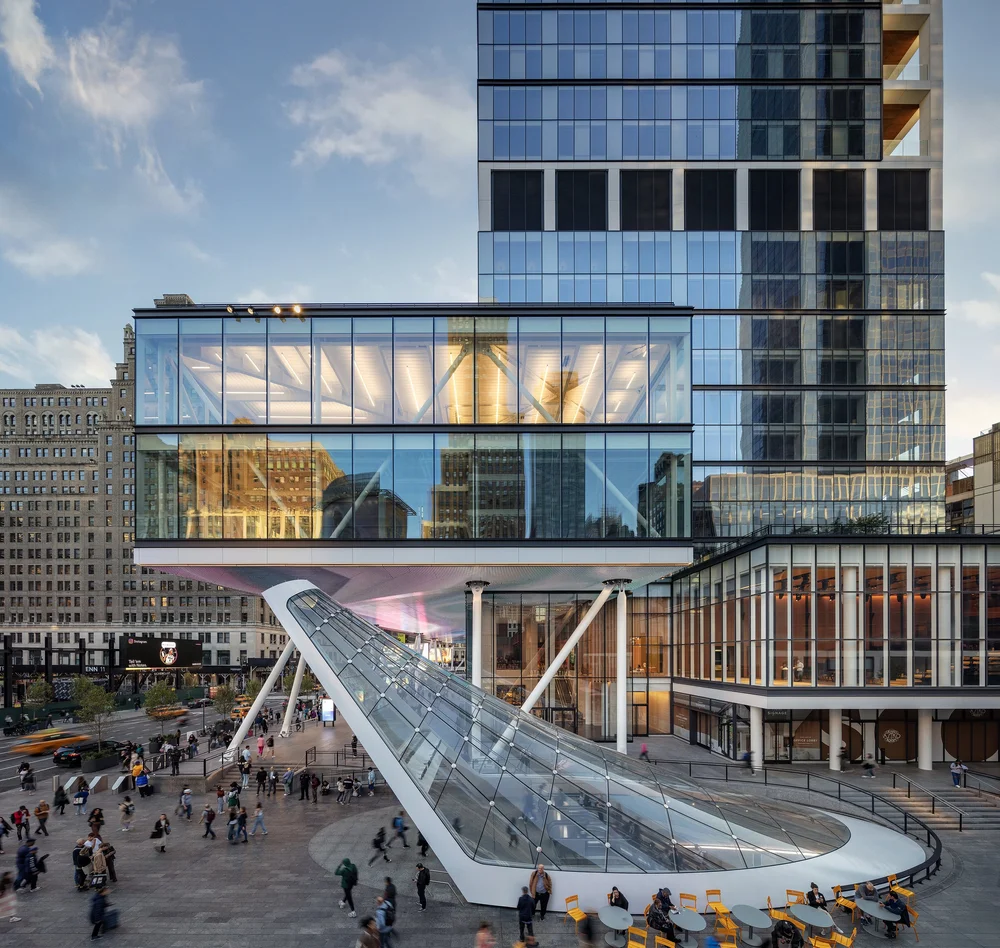
RWDI provided wind engineering and environmental analysis, ensuring the glass system could withstand urban wind conditions while maintaining pedestrian comfort at street level. These studies directly inform façade pressures, movement tolerances, and structural requirements for the glazing system.
Structural integration was developed by Severud Associates and Gilsanz Murray Steficek, who ensured that the building’s primary structure could support the façade loads while accommodating movement, vibration, and long-term performance requirements in a transit-intensive environment.
To ensure quality and compliance, SOCOTEC USA contributed independent testing and verification services, supporting façade performance validation during construction.
The glass façade system of PENN 2 exists within a much larger urban framework led by Vornado Realty Trust as the developer, with MNLA shaping the surrounding public realm and landscape design.
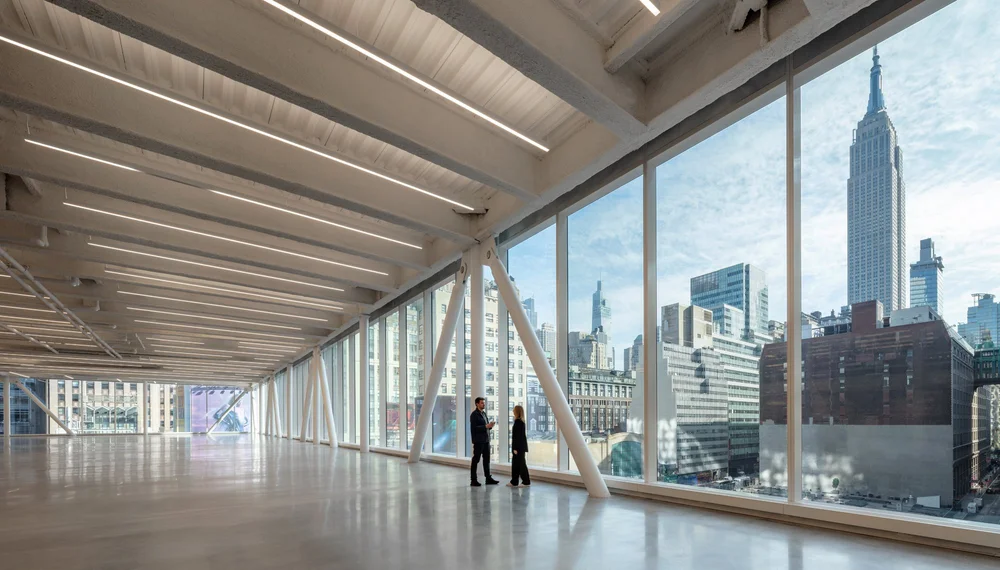
The PENN 2 and Plaza 33 redevelopment demonstrates how modern glass architecture depends on tightly coordinated expertise across multiple disciplines. From TVITEC System Glass supplying the core glazing materials, to W&W Glass executing the curtain wall system, supported by façade specialists, structural engineers, and environmental consultants, the project reflects a highly engineered approach to transparency, performance, and urban integration.
All image courtesy of MdeAS
Source: MAS with additional information added by Glass Balkan