Canadian Premium Sand Inc. (CPS) has paused plans to develop a patterned solar glass manufacturing facility in the southern United States, citing ongoing uncertainty around U.S. solar energy policy and cross-border trade conditions.
The update was confirmed in the company’s December corporate briefing, where CPS outlined that while 2025 efforts had been directed toward advancing its patterned solar glass strategy, external geopolitical and policy factors have slowed progress to a point where project advancement is no longer viable under current conditions.
According to CPS, approximately 30% of the planned facility’s output has already been secured through binding offtake agreements. However, the company has been unable to reach its internal benchmark of 80% contracted offtake, a threshold required to move the project into the next development phase. The uncertainty surrounding future U.S. solar incentives, tariffs, and regulatory direction has made long-term supply commitments difficult for potential customers.
In parallel, CPS highlighted that Canada–U.S. trade uncertainty has also constrained discussions related to advancing a potential Canadian patterned solar glass facility, further reinforcing the decision to pause expansion within the solar glass segment. 
As a result, CPS has announced a strategic shift in focus toward expanding quarry operations and revenue generation within the oil and gas sector, where demand conditions and contractual frameworks are currently more predictable.
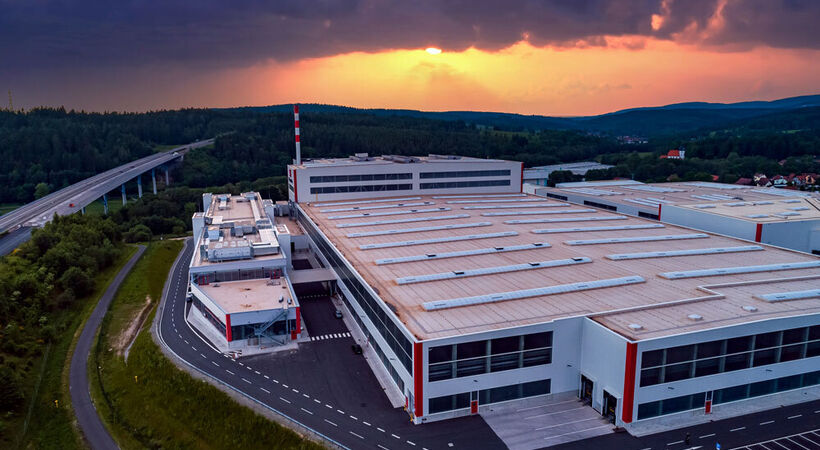
Despite the pause, the groundwork for the U.S. solar glass project had progressed. In July, CPS executed a letter of intent for a 12-year lease on an existing glass manufacturing site in the southern United States, a facility that previously operated until its closure in 2020. The company had also engaged Toledo Engineering Company Inc. and Bottero S.p.A. to advance pre-construction engineering activities, with Green City Glass appointed as the owner’s engineer.
CPS stated that development of patterned solar glass projects will remain on hold until greater stability emerges in U.S. solar policy and the broader geopolitical trade environment, at which point the company will reassess market conditions and re-engage with potential customers.
Source: USGlassMag with additional information added by Glass Balkan