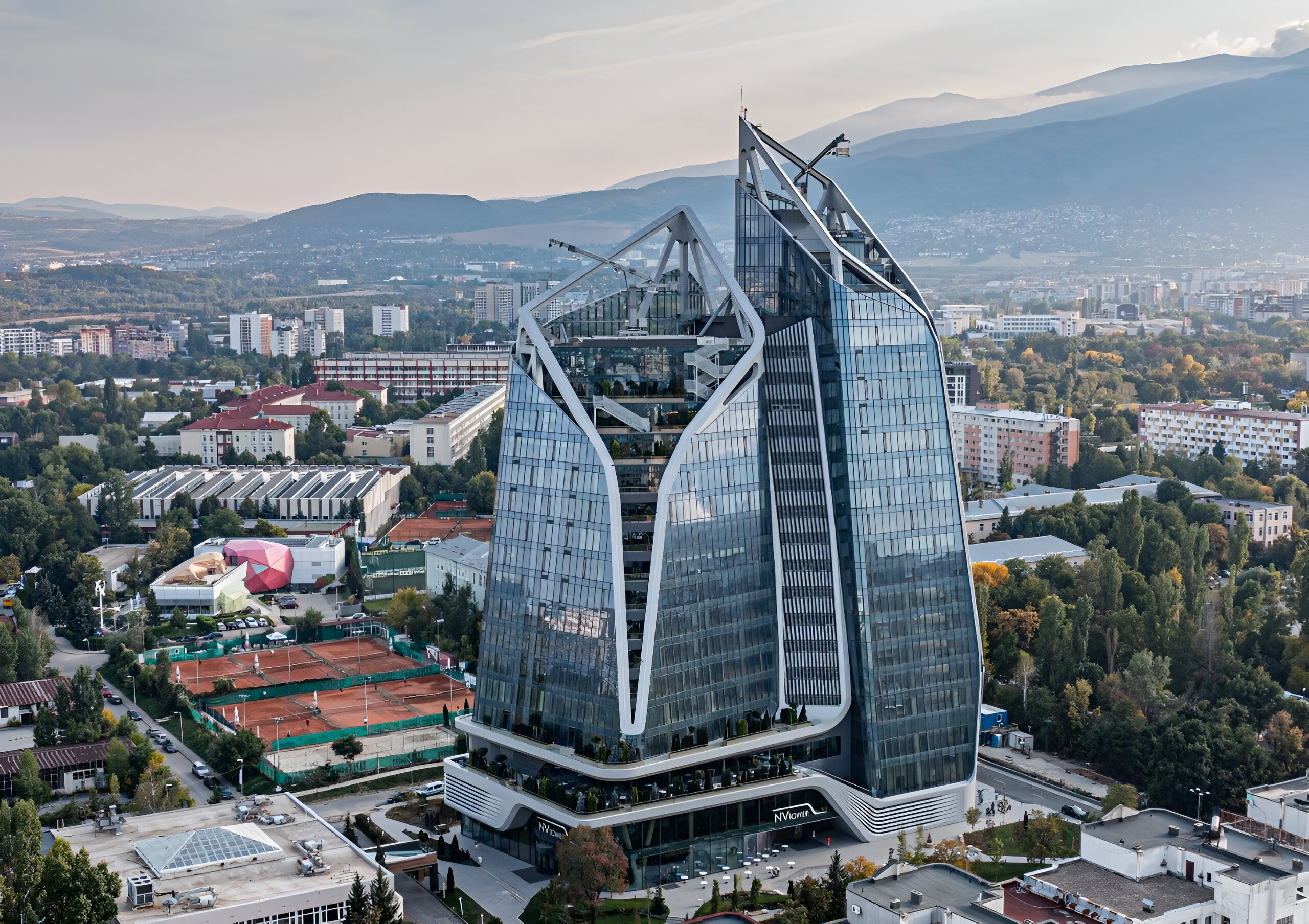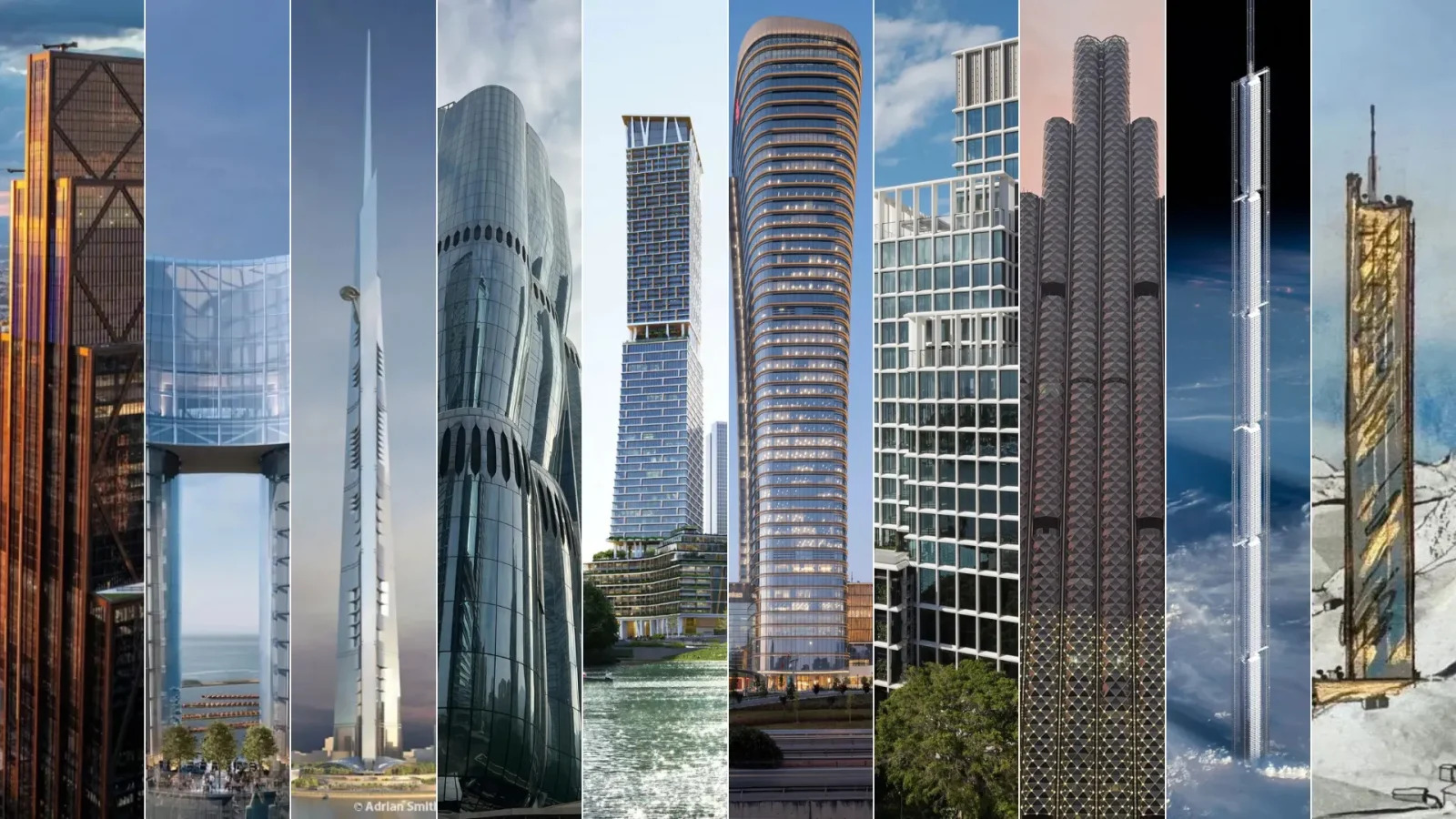
The year 2025 marked a decisive chapter in skyscraper architecture, where long-anticipated projects reached completion, record-breaking towers advanced toward realization, and speculative ideas reshaped the limits of what vertical architecture could represent. Across continents, skyscrapers were no longer defined solely by height, but by what they symbolized, economic ambition, technological capability, sustainability priorities, and evolving urban identity.
1. 270 Park Avenue (JPMorgan Chase Tower)
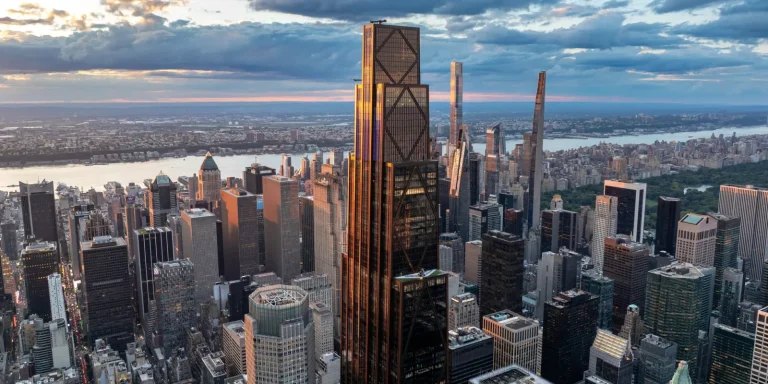
Location: New York City, USA
Height: 423 m | Floors: 60
Architect: Foster + Partners (with Adamson Associates)
Rising from a full city block in Midtown Manhattan, 270 Park Avenue became one of the most influential office towers completed in 2025. Serving as JPMorgan Chase’s global headquarters, the building replaces the former Union Carbide Building and redefines Park Avenue with a neo-Art Deco–inspired vertical form. Elevated 80 feet above street level, the tower introduces a new public ground plane, expanded sidewalks, and a plaza reconnecting Park and Madison Avenues, while housing 2.5 million sq ft of high-performance workspace for up to 14,000 employees.
2. Ciel Dubai Marina
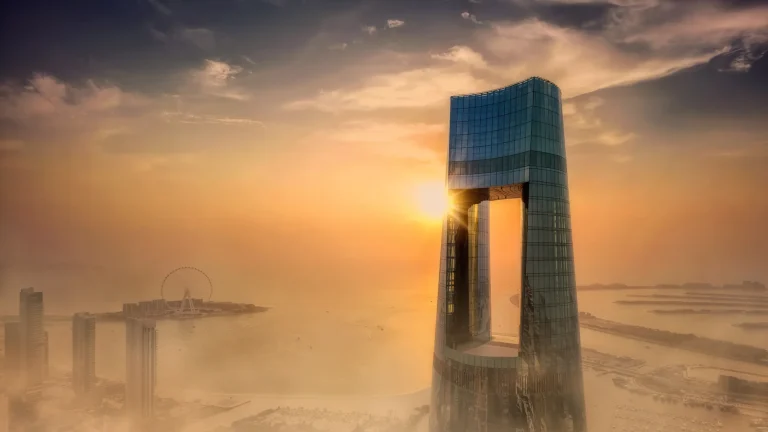
Location: Dubai, UAE
Height: 377 m | Floors: 82
Architect: NORR Group 
Officially opening in November 2025, Ciel Dubai Marina claimed the title of the world’s tallest hotel. Developed by The First Group and operated under IHG’s Vignette Collection, the tower contains over 1,000 guestrooms with panoramic views of the Arabian Gulf. Its defining features include one of the world’s highest infinity pools, destination dining venues, and a strong emphasis on experiential luxury integrated into Dubai’s iconic waterfront skyline.
3. Jeddah Tower
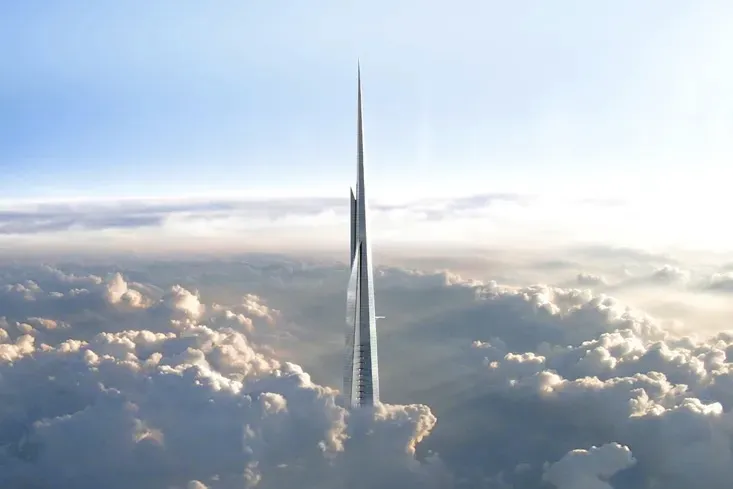
Location: Jeddah, Saudi Arabia
Height: Planned 1,000+ m
Architect: Adrian Smith + Gordon Gill Architecture
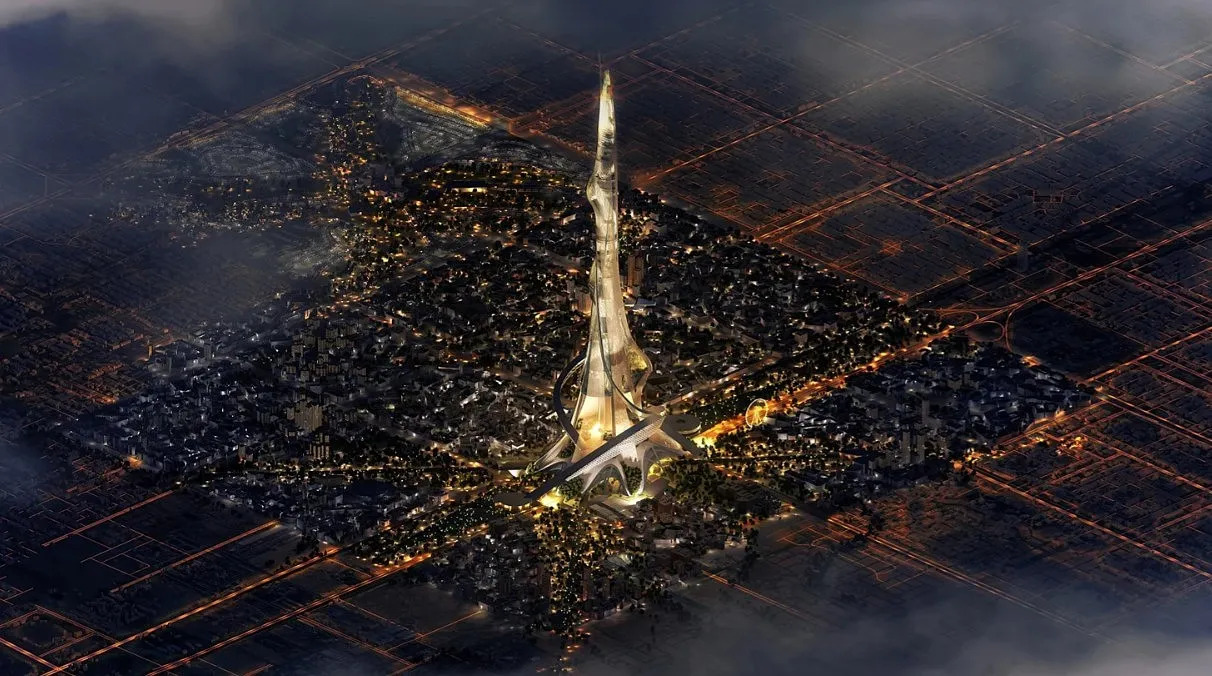
After years of delay, construction resumed in 2025 on Jeddah Tower, the world’s first planned kilometer-plus skyscraper. Designed with a tapered, aerodynamic form and a three-petaled footprint, the tower uses a buttressed concrete structural system scaled beyond Burj Khalifa precedent. Its return to active construction reaffirmed Saudi Arabia’s ambition to redefine the upper limits of vertical construction.
4. The Henderson
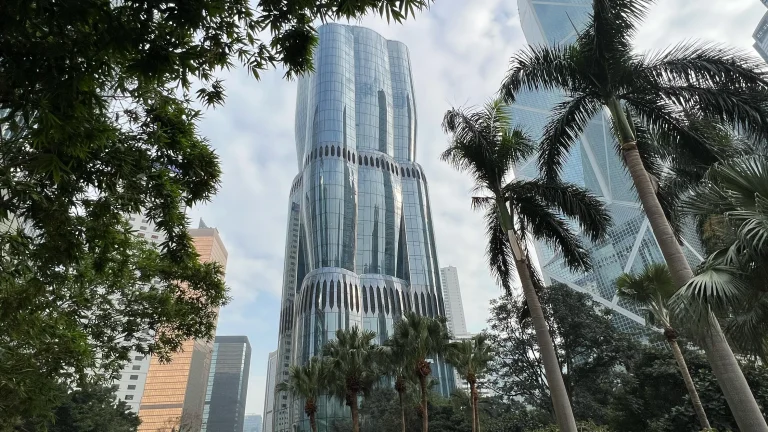
Location: Hong Kong SAR, China
Height: 190 m | Floors: 36
Architect: Zaha Hadid Architects
Completed and occupied through 2025, The Henderson introduced one of the most technically sophisticated glass façades in Hong Kong. Built on the former Murray Road car park site, the tower features double-curved, double-laminated glass panels forming a fluid, organic envelope. Column-free interiors, elevated gardens, and advanced building systems position the tower as a benchmark for premium commercial architecture in dense urban contexts.
5. Waterline
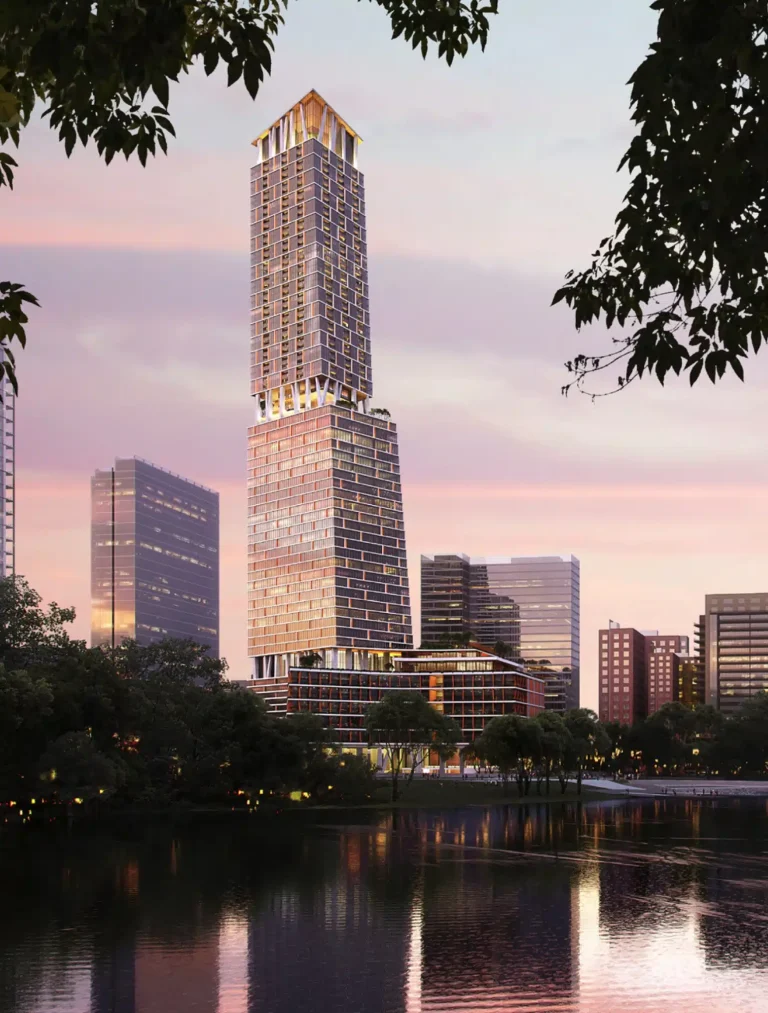
Location: Austin, Texas, USA
Height: 312 m | Floors: 74
Architect: Kohn Pedersen Fox (KPF)
Waterline reached its full structural height in August 2025, becoming the tallest building in Texas and Austin’s first supertall skyscraper. Designed as a mixed-use vertical city overlooking Lady Bird Lake, the tower integrates residential, hotel, and office functions. While completion is scheduled for 2026, its topping-out alone redefined Austin’s skyline and urban ambition.
6. Ziraat Bank Headquarters
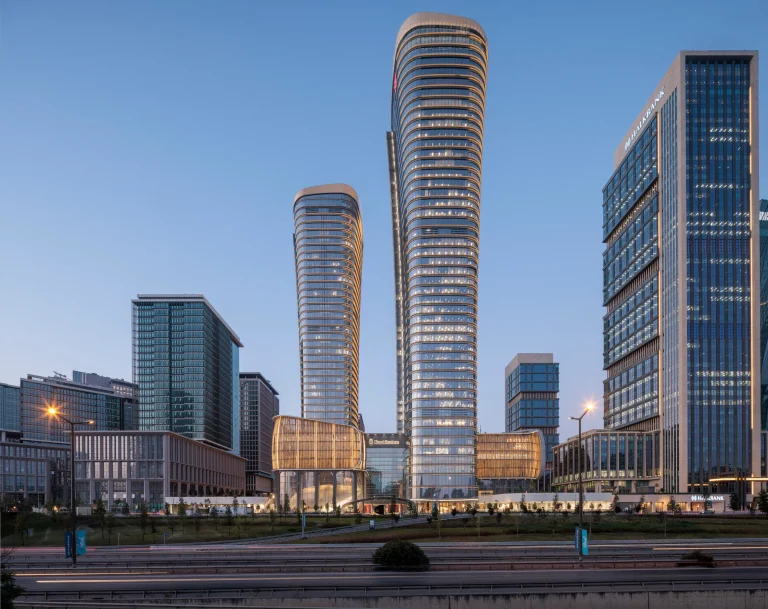
Location: Istanbul, Turkey
Height: ~352 m | Floors: 72
Architect: Kohn Pedersen Fox (KPF)
Anchoring Istanbul’s International Financial Center, the Ziraat Bank Headquarters emerged in 2025 as one of Turkey’s most significant high-rise projects. Its tapering form responds to wind and seismic conditions, while a façade of vertical fins and recessed glazing manages daylight and scale. The tower reinforces the institutional character of the district while standing as a symbol of Turkey’s evolving financial infrastructure.
7. One Flagler
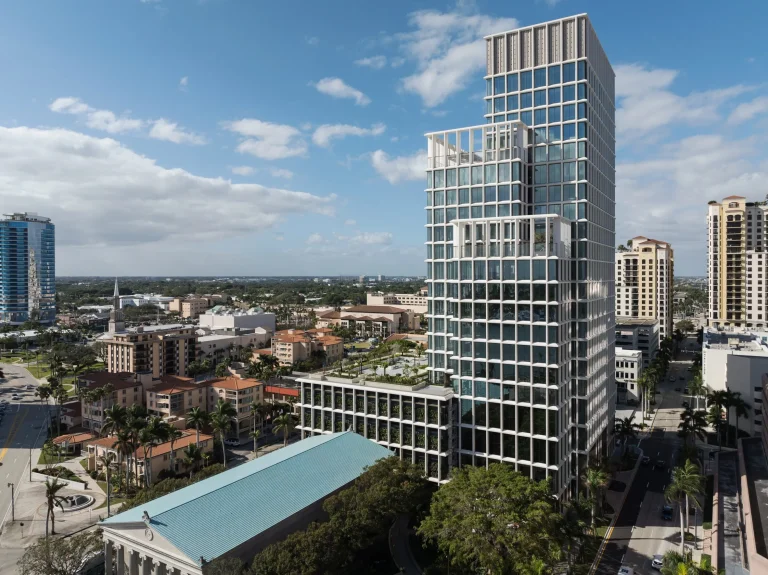
Location: West Palm Beach, Florida, USA
Height: 111 m | Floors: 25
Architect: Skidmore, Owings & Merrill (SOM)
One Flagler represents a refined interpretation of tropical modernism. Developed by Related Ross, the LEED Gold–certified office tower integrates landscaped terraces, planted loggias, and high-performance glazing to manage Florida’s climate. The project preserves a historic Beaux-Arts church on site and enhances the public realm with new parks, bioswales, and waterfront connections.
8. China Merchants Bank Headquarters
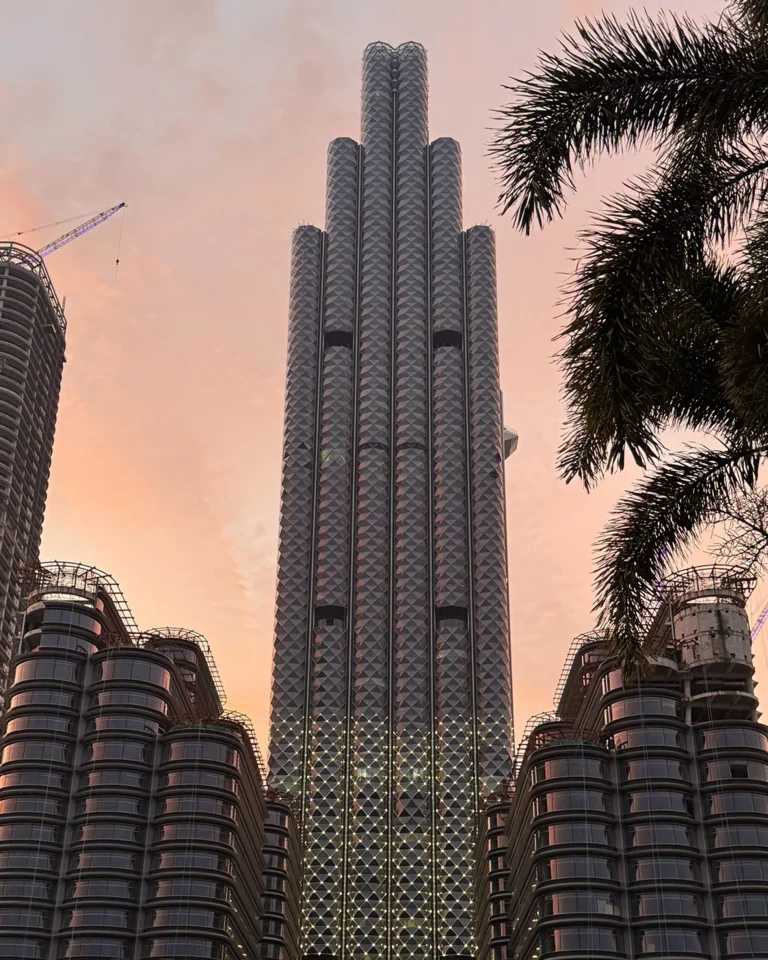
Location: Shenzhen, China
Height: ~393 m | Floors: 77
Architect: Foster + Partners (with CCDI Group)
This landmark tower anchors Shenzhen Bay’s Super Headquarters Base. Its façade strategy shifts by orientation, featuring triangulated bay windows on the south façade inspired by traditional paper folding, and a more geological expression to the north. Awarded by CTBUH for façade excellence, the building balances solar control, daylighting, and panoramic views within Shenzhen’s subtropical climate.
9. Analemma Tower (Concept)
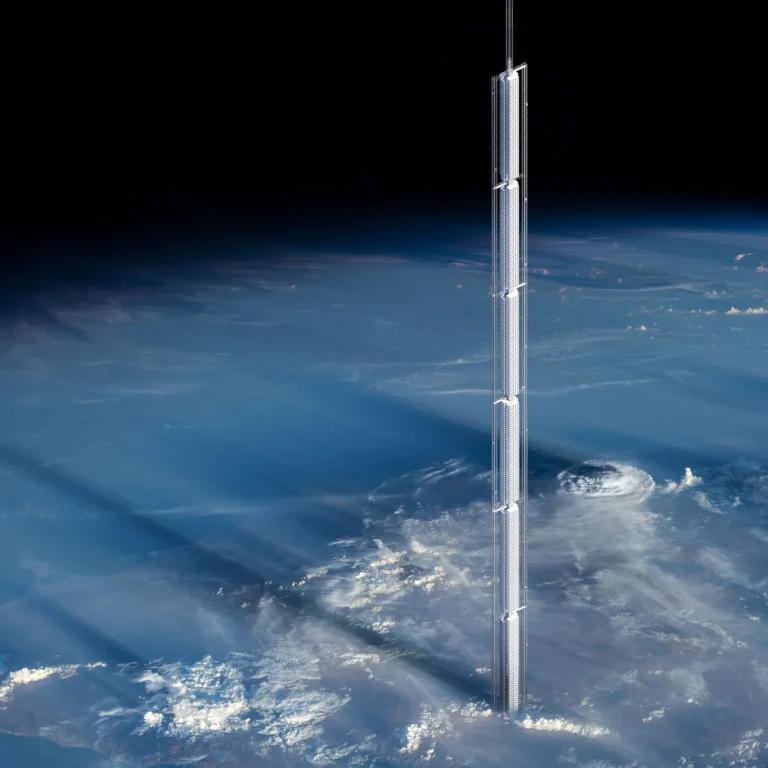
Location: Proposed (orbital path over Earth)
Height: ~32,000 m (theoretical)
Architect: Clouds Architecture Office
Analemma Tower stands as the most radical skyscraper vision associated with 2025. Suspended from an asteroid in geosynchronous orbit, the concept replaces foundations with space-based anchoring. Entirely speculative, it challenges architectural thinking at a planetary scale and exists as a provocation rather than a buildable project, yet its influence lies precisely in that ambition.
10. Lina Peak (Proposal)
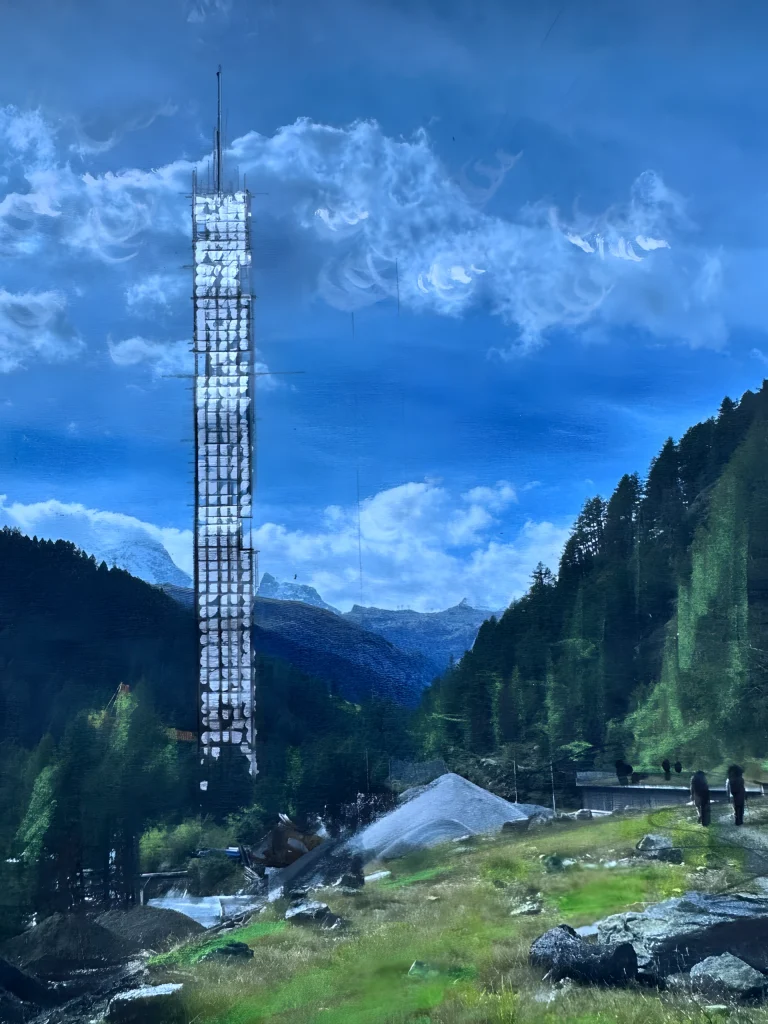
Location: Zermatt, Switzerland
Height: 260 m | Floors: 65
Architect: Heinz Julen
Proposed as a vertical village near the Matterhorn, Lina Peak sparked intense debate in 2025. Designed to address Zermatt’s housing shortage, the tower combines affordable housing, luxury residences, and public amenities within a single vertical structure. Its unprecedented height for an Alpine context makes it one of Europe’s most controversial architectural proposals.
Together, these ten skyscrapers illustrate how 2025 redefined vertical ambition. Whether completed, advancing, or purely speculative, each project reflects a city’s priorities and challenges, from density and sustainability to symbolism and innovation. Height alone is no longer the measure of significance; meaning, context, and performance now define the skyscrapers that shape our cities.
Source: Glass Balkan