Dutch glass processor Buys Glas is preparing for the next phase of its growth by investing in advanced automation and digital production management. At the core of this transformation is LiSEC’s GPS.autofab software, which enables the seamless integration of machines from different suppliers into a single coordinated production workflow.
Based in Stramproy, the Netherlands, Buys Glas expanded its 8,000 m² production facility with the goal of creating a highly automated line capable of handling single glass sheets with precision and efficiency. The project began during the greenfield planning stage, when owner-manager Youri Kurvers collaborated with LiSEC to digitally map the entire production layout and define the most efficient configuration.
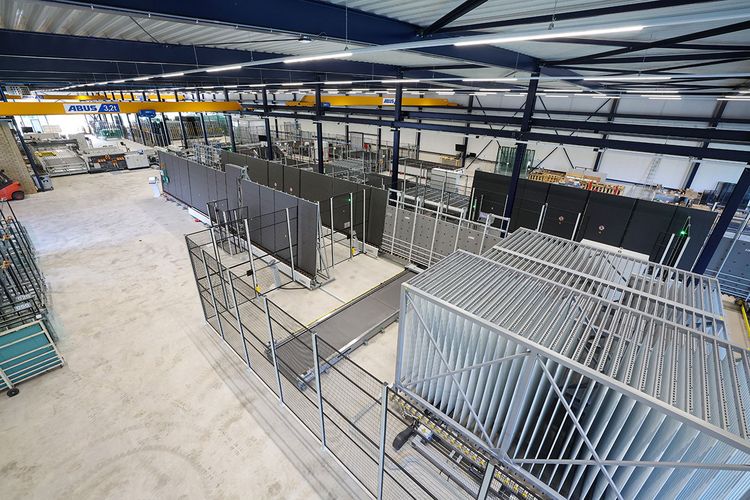
A key priority for Buys Glas was ensuring that machines and software could communicate directly without relying on third-party systems. The result is a production environment where LiSEC equipment works alongside machinery from other suppliers while maintaining a fully integrated data flow.
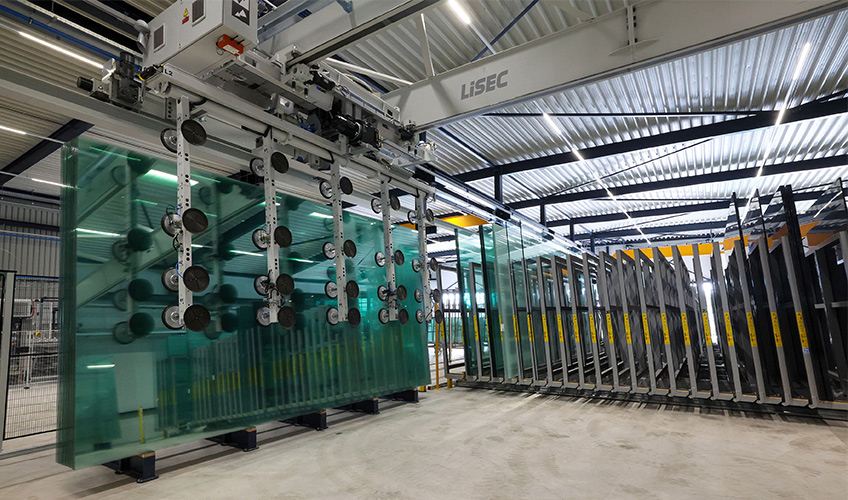
On the equipment side, the company installed an automated jumbo glass storage system that feeds two cutting lines. The first is a LiSEC ESL-RS float cutting machine with automatic XYZ breaking, capable of performing edge deletion and cutting operations in a single step. The second is a DSC-A + VB laminated glass cutting machine, designed to process both rectangular and shaped panes with thicknesses up to 12/4.56/12. 
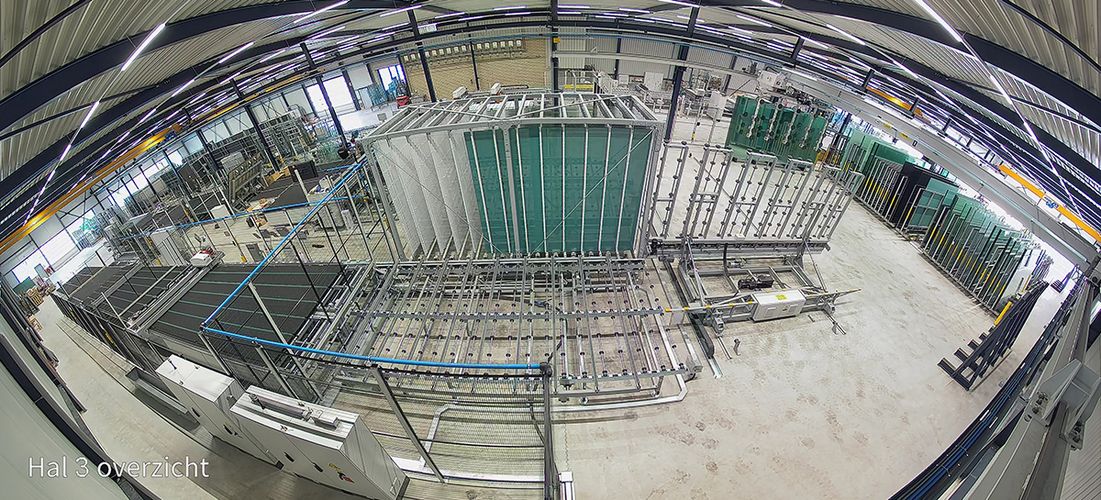
Both cutting lines are connected to an intelligent buffer shuttle system, which manages glass movement between cutting and processing stages and ensures continuous material flow across the line. Thanks to the high level of automation, the system can be operated efficiently with a relatively small team.
The digital backbone of the installation is GPS.autofab, which coordinates machine communication and production routing. Production planning is handled through GPS.prod, while pane identification and messaging are managed via GPS.ident using manual scanners.
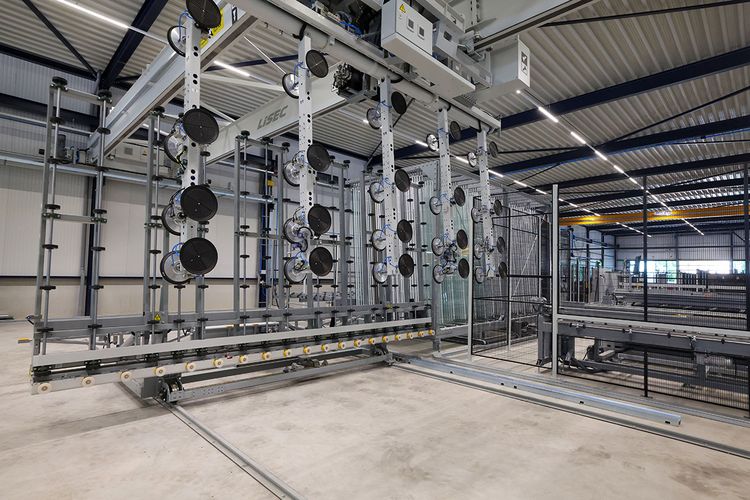
GPS.autofab determines the path of each glass pane, controls buffer systems and enables real-time data exchange with ERP systems. A custom interface also allows third-party machines to receive processing drawings and routing instructions, ensuring that every pane is processed in the correct sequence.
With more than 200 glass types in its portfolio and customers across the Netherlands and Belgium, Buys Glas plans to continue expanding automation in the future by connecting the remaining production processes into the same integrated system.
Source: LiSEC with additional information added by Glass Balkan