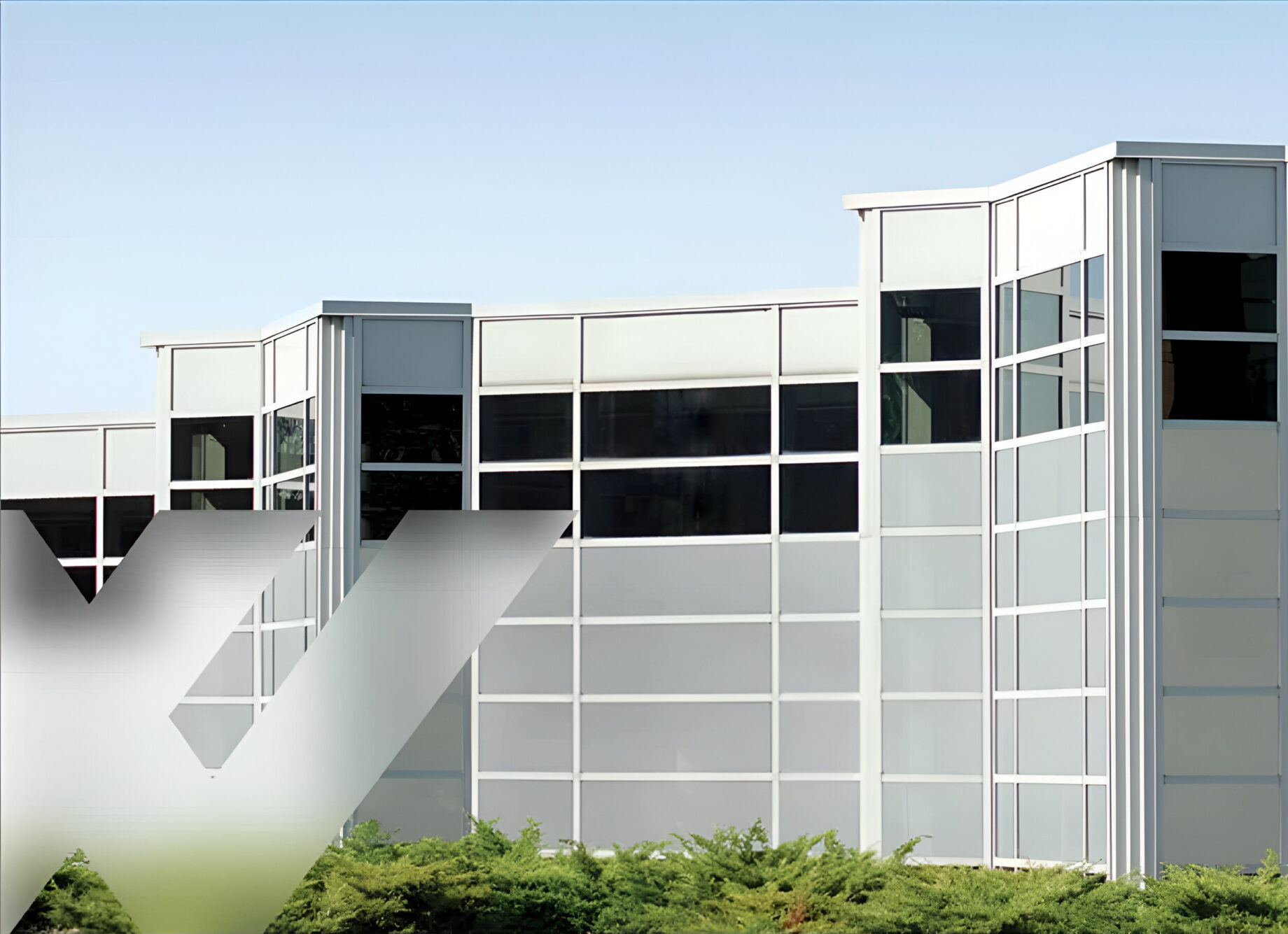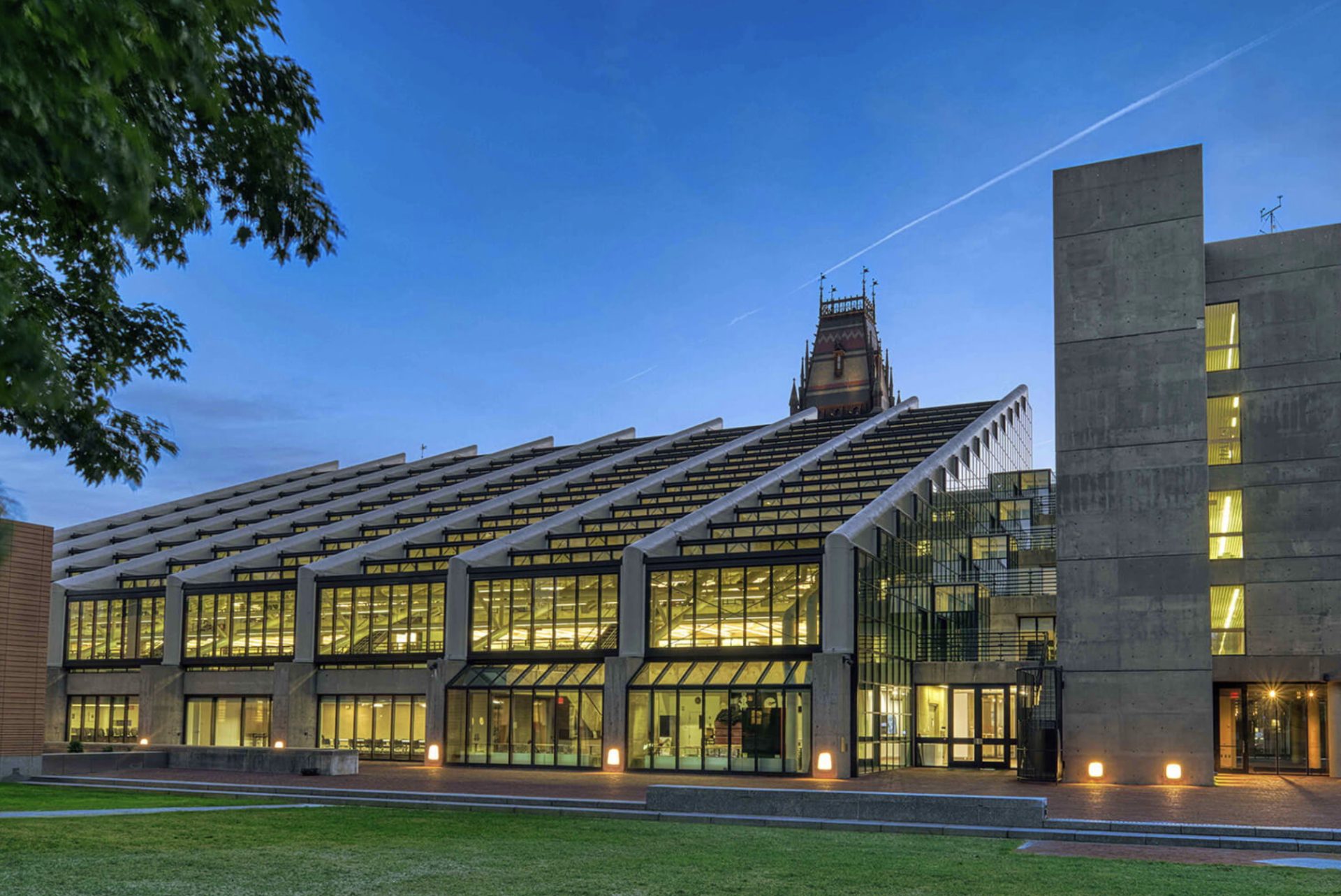
The recent upgrade of Gund Hall at Harvard University’s Graduate School of Design demonstrates how iconic modernist architecture can be preserved while meeting today’s demanding energy-performance standards. Originally completed in 1972 and designed by australian architect John Andrews, Gund Hall is defined by its stepped, glass-enclosed studio spaces, known as the “trays”, which have become a visual and cultural landmark on campus.
The challenge of the renovation lay in improving thermal performance without altering the building’s distinctive appearance. Project stakeholders set a stringent goal: achieving an overall weighted U-factor of 0.30, a target more commonly associated with contemporary high-performance façades than legacy academic buildings with expansive glazing.
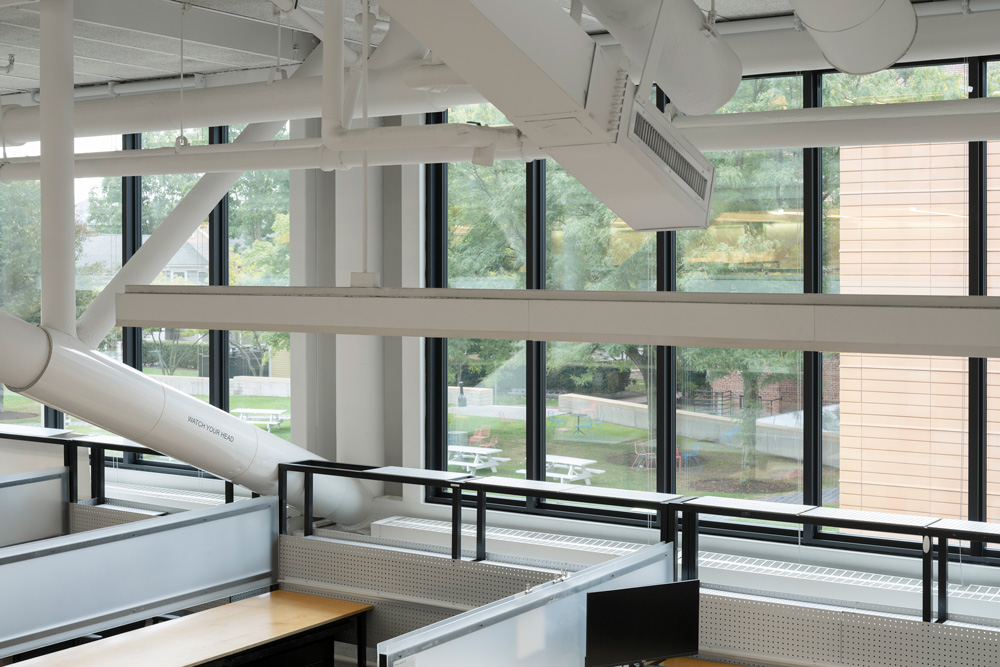
To meet this requirement, glazing contractor A&A Window Products collaborated closely with Oldcastle BuildingEnvelope’s OBE360 technical team to develop custom façade solutions. The most complex aspect involved the north and south elevations, where large areas of glass were critical to daylighting and spatial transparency.
The solution combined OBE’s Reliance veneer curtain wall system with hybrid vacuum insulating glass (VIG) manufactured by Vitro Architectural Glass. By positioning the VIG on the exterior side of the curtain wall, the team significantly improved thermal efficiency while also enhancing condensation resistance, an essential consideration for large educational buildings with variable interior loads. Extensive thermal and hygrothermal modeling informed this configuration. 
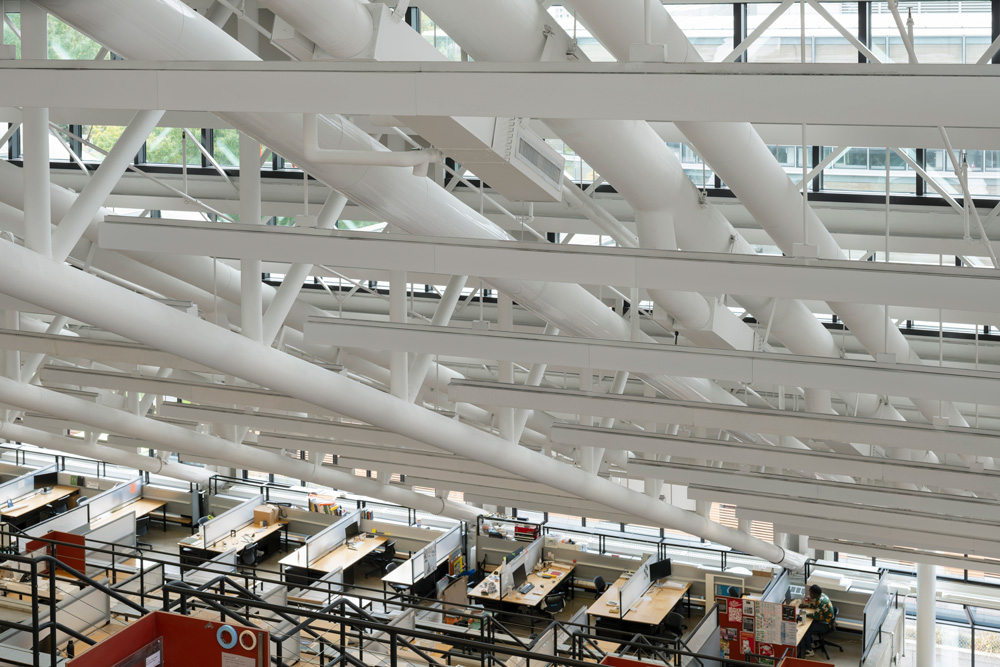
The result is a modified veneer system achieving a U-factor of 0.19, substantially exceeding the original performance target. For the glazing industry, the Gund Hall project highlights how advanced glass technologies, custom curtain wall engineering, and early collaboration can extend the life of architecturally significant buildings, without sacrificing either design integrity or energy performance.
Source: gsd.harvard.edu with additional information added by Glass Balkan