Glass Technology Services (GTS) has completed the construction and commissioning of a new large-scale research furnace at its laboratory facility in Sheffield, United Kingdom, marking a major step forward in the organisation’s glass melting and materials innovation capability.
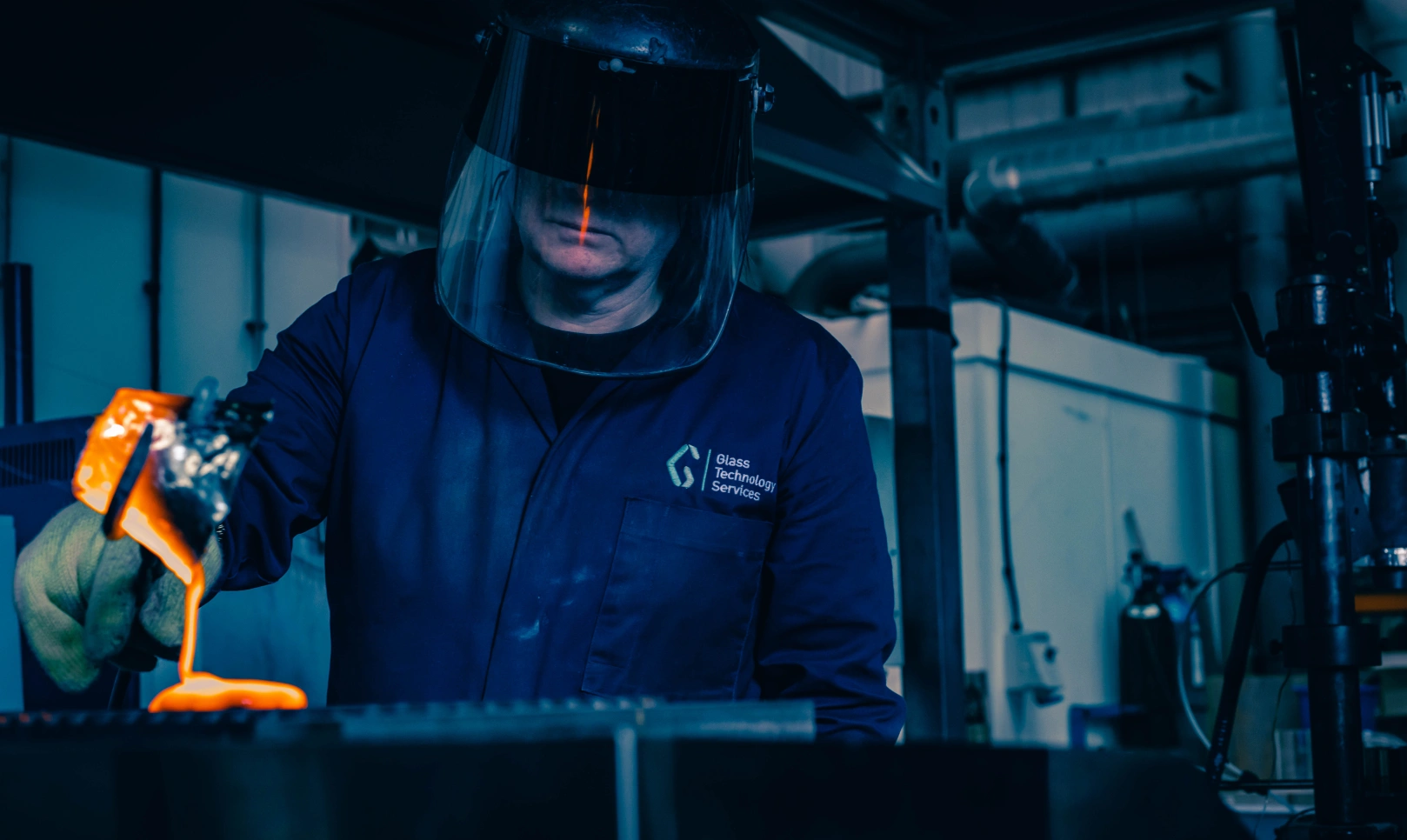
With more than 100 years of research activity across both mainstream and specialist glass sectors, GTS has traditionally conducted glass melting trials at laboratory scale, limited to 2kg per melt. The new furnace significantly extends that ceiling, enabling melts of up to 50kg, creating a much stronger bridge between laboratory research and industrial production conditions.
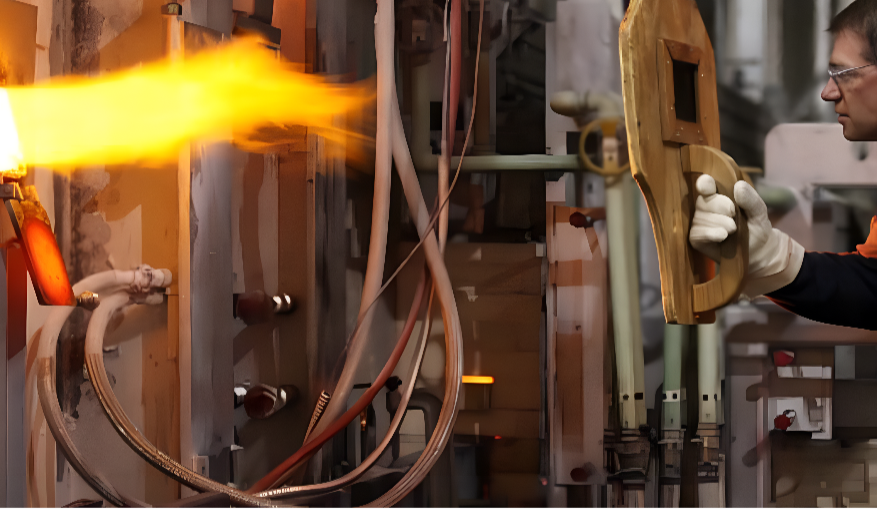
At the core of this development is GTS’s newly commissioned High Temperature Melting Observation System (HTMOS), a melting facility designed to GTS’s own specification and engineered by A.F.T (UK). The system incorporates a range of bespoke components developed to enhance real-time glass observation, measurement, and process control, allowing researchers and industrial clients to better understand melting behaviour under controlled high-temperature conditions.
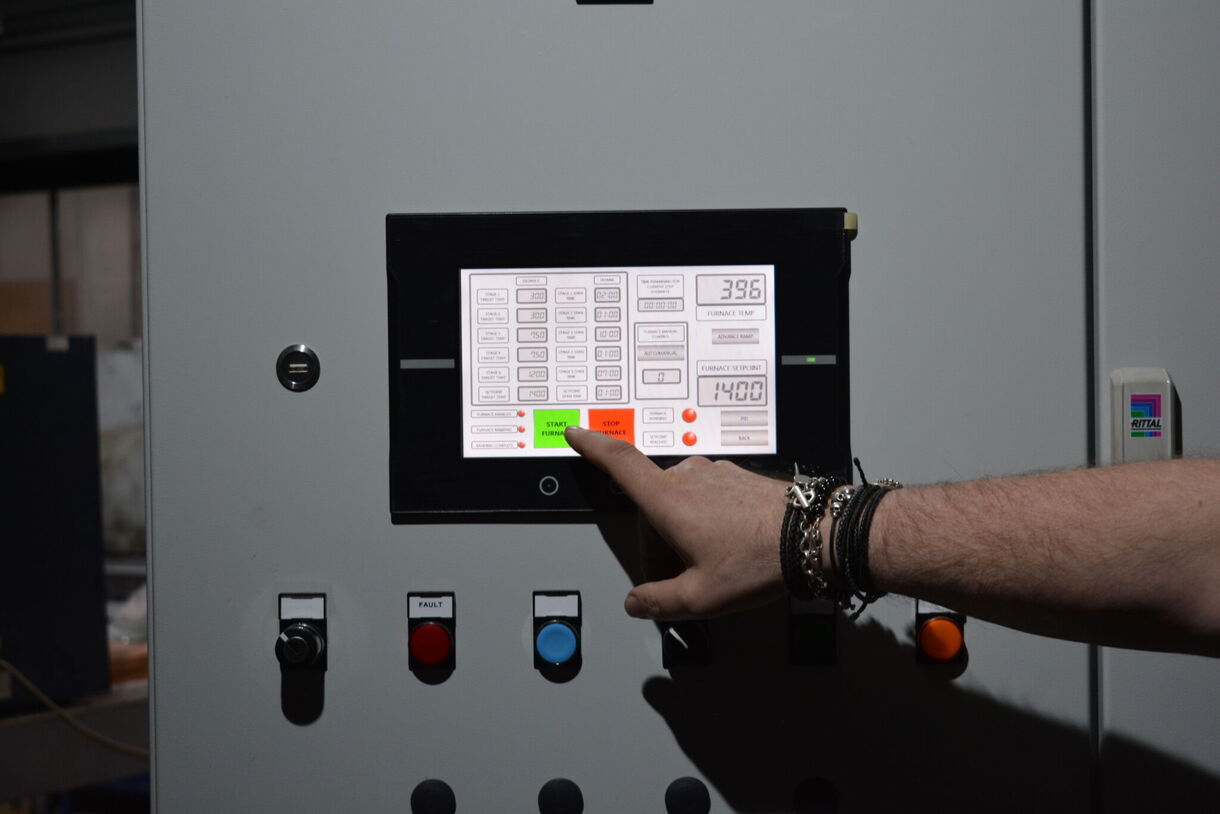
The furnace is also capable of melting at temperatures up to 1600°C, opening new pathways for developing advanced glass compositions, including high-temperature and specialist formulations. This capability supports more representative trial environments for pre-commercial research, enabling companies to validate new materials and process adjustments before committing to full production-scale implementation. 
According to GTS, the larger melting capacity works alongside existing small-scale melting tools, enabling staged trials that begin at lab scale and progress to near-industrial conditions for deeper validation. The facility also includes an expanded suite of analytical instrumentation aimed at quantifying melting dynamics and accelerating R&D outcomes.
GTS Chief Executive Gareth Jones highlighted the strategic purpose of the investment: reducing the gap between laboratory results and industrial decision-making by improving confidence, predictability, and speed of development for clients across the sector.
Martyn Marshall, Melting and R&D Lead, described the new melting capabilities as a step-change for trials involving new glass formulations, recycled streams, raw materials, and efficiency-focused innovations, supported by increased process visibility and data depth.
Funding for the project was secured through a public tender awarded by Glass Futures under the Foundation Industries Sustainability Consortium (FISC) EconoMISER 2 project, supported by UK Research and Innovation (UKRI), reinforcing the UK’s broader industrial sustainability and decarbonisation agenda within the glass sector.
Source: GTS with additional information added by Glass Balkan