Triple glazing is one of the most effective upgrades for improving thermal insulation, but it usually brings extra thickness and weight, making it difficult for many existing window systems to handle. Thin glass changes that equation.
With more than three decades of experience working with thin glass, HEGLA supports manufacturers using glass starting from 0.5 mm thickness to create a new type of triple insulated glass unit. The idea is simple: use thin glass as the middle pane of the IGU. This makes it possible to produce a triple-glazed structure without increasing the overall unit width.
For renovation projects, this is a major advantage. Instead of replacing entire window frames, an existing double-glazed unit can often be removed and swapped for a triple unit of the same thickness. That means better insulation, faster upgrades, and fewer structural limitations.
The finished unit stays slimmer and lighter, while achieving thermal performance comparable to conventional triple glazing, including U-values at a similar level to standard triple IGUs. 
Using thin glass in the centre helps processors achieve multiple gains at once:
- Lower total weight compared to standard triple glazing
- Reduced thickness, ideal for retrofit and compact profiles
- Improved energy efficiency without major redesign
- New design flexibility for both residential and façade applications
This approach is especially valuable for markets where renovation demand is growing and energy standards are tightening, because it delivers performance upgrades without forcing full system replacement.
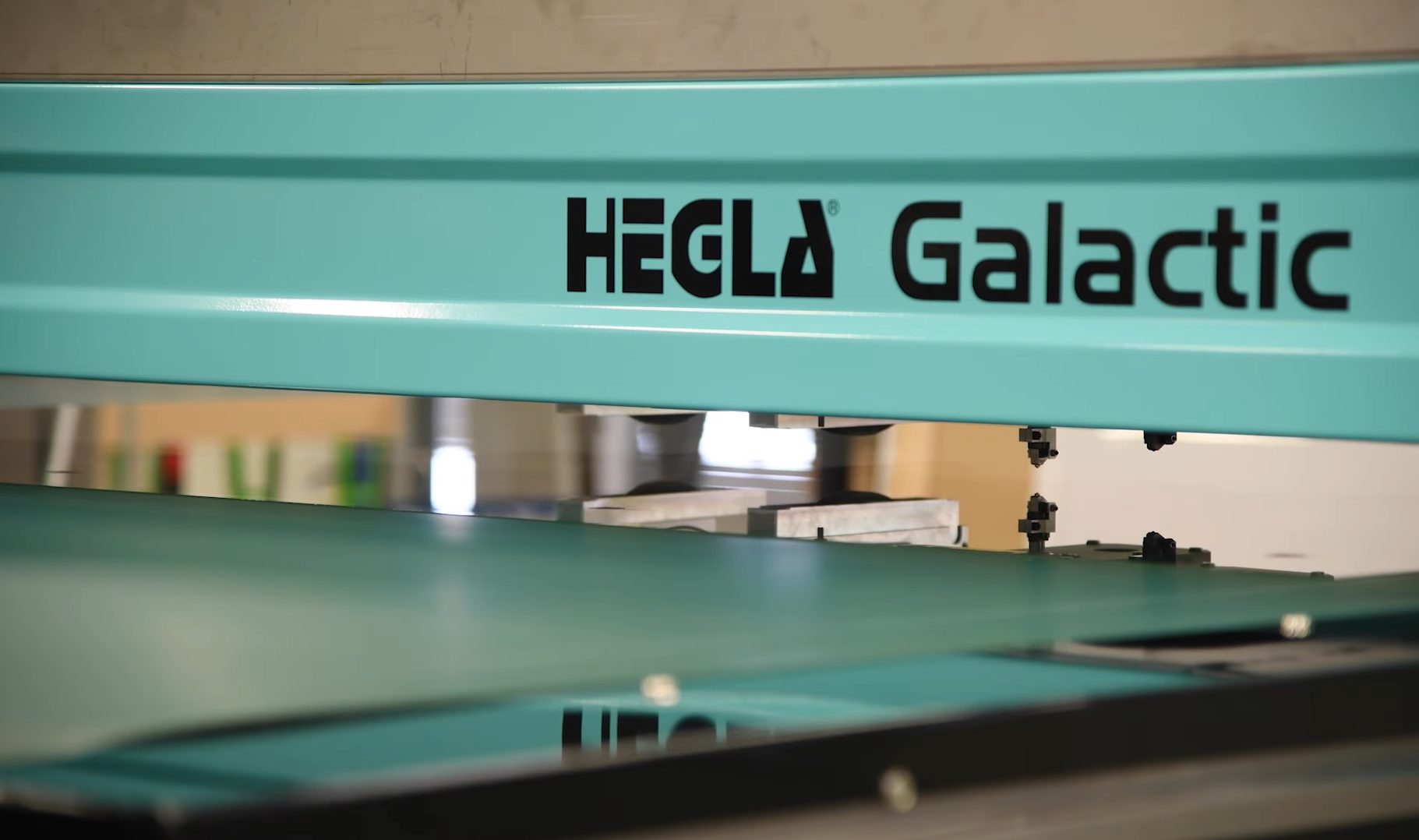
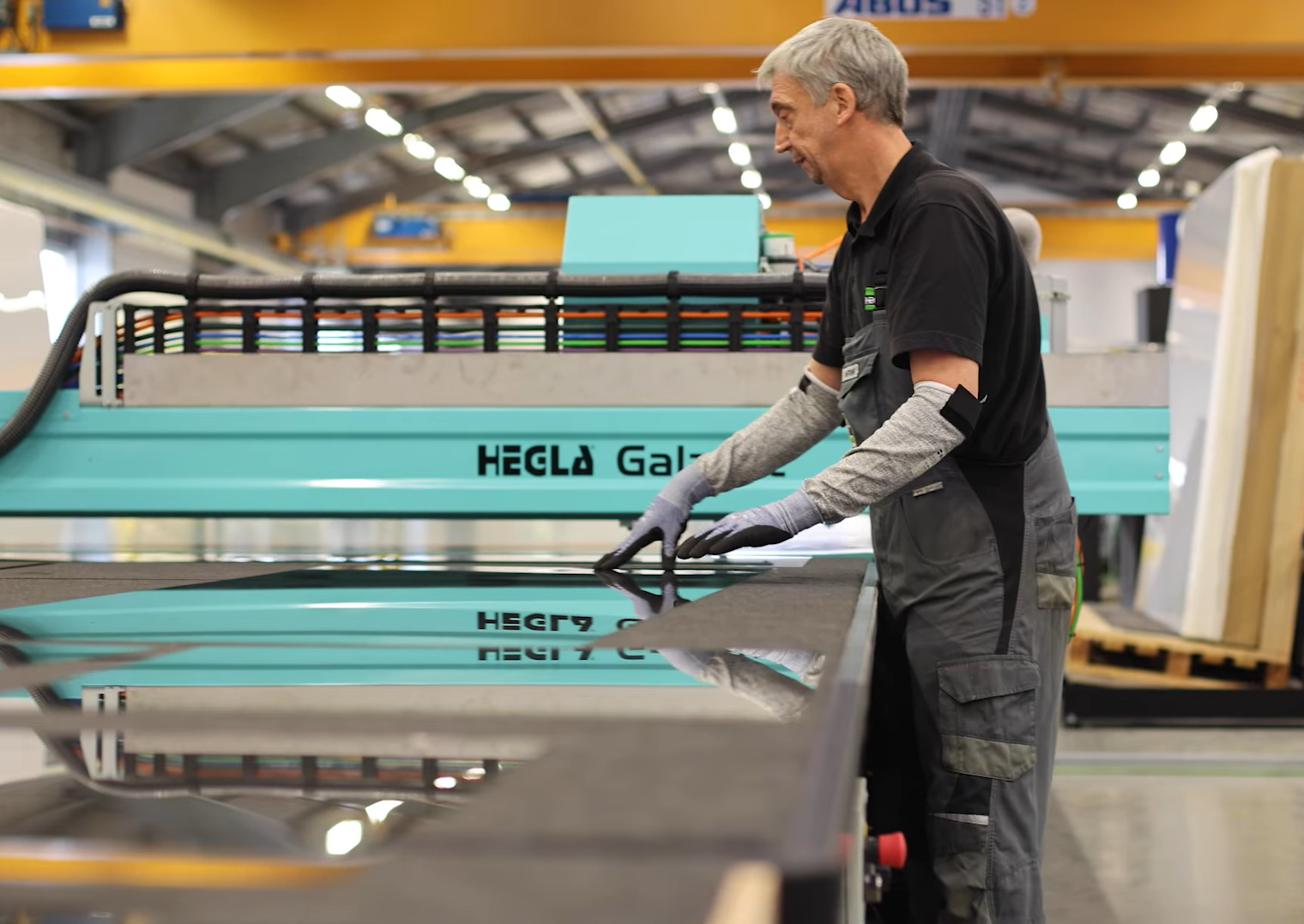
Handling thin glass requires accuracy and stability. That’s why HEGLA performs the cutting process fully automaticallywith the HEGLA Galactic TG. Automated cutting improves consistency, reduces risk in handling ultra-thin panes, and supports smooth integration into modern IGU production lines.
Source: HEGLA with additional information added by Glass Balkan