Glass Futures has officially joined ResponsibleGlass, marking a significant step toward establishing the first independent global sustainability standard dedicated to responsible, low-carbon glass production. The move positions Glass Futures at the centre of efforts to accelerate decarbonisation, strengthen transparency across the value chain, and support more responsible manufacturing practices throughout the glass industry.
ResponsibleGlass is a newly formed multi-stakeholder, not-for-profit certification initiative designed to create a unified sustainability framework for glass, something the industry has traditionally lacked despite glass being essential across sectors such as construction, automotive, renewable energy, and packaging. While glass remains highly recyclable, its manufacturing process is energy-intensive, and reducing emissions has become a key priority worldwide.
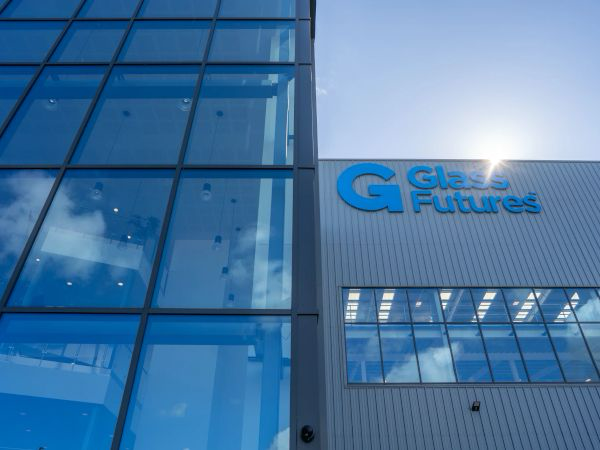
By joining as a founding member, Glass Futures will contribute its scientific expertise, industrial testing capabilities, and innovation leadership to co-develop and validate the ResponsibleGlass Standard. The organisation is internationally recognised for its work in glass research and innovation, operating a large-scale Global Centre of Excellence in St Helens, UK, equipped with an independent pilot furnace capable of industrial-scale decarbonisation trials. This capability will play a crucial role in supporting practical, data-driven solutions as the standard is developed.
The ResponsibleGlass initiative already brings together stakeholders from across the glass, mining, automotive, and industrial sectors, reflecting a broad industry commitment to lowering carbon emissions and creating a transparent certification system. Version 1.0 of the ResponsibleGlass standard is expected to be released later in 2026, providing a clear roadmap for companies aiming to demonstrate responsible and low-carbon glass production. 
Sarah Harrold, Head of Strategy and Government Engagement at Glass Futures, described the partnership as an important milestone, highlighting the opportunity to embed transparency, circularity, and accountability into the global glass supply chain. ResponsibleGlass Chair Francis Sullivan also welcomed the collaboration, noting that Glass Futures’ ability to translate advanced research into real industrial applications will be instrumental in shaping a credible, industry-wide standard.
With this partnership, Glass Futures strengthens its role as a catalyst for innovation and sustainability in the glass sector, while helping to lay the foundations for a globally recognised benchmark that could reshape how glass is produced in the coming decade.
Source: ResponsibleGlass with additional information added by Glass Balkan