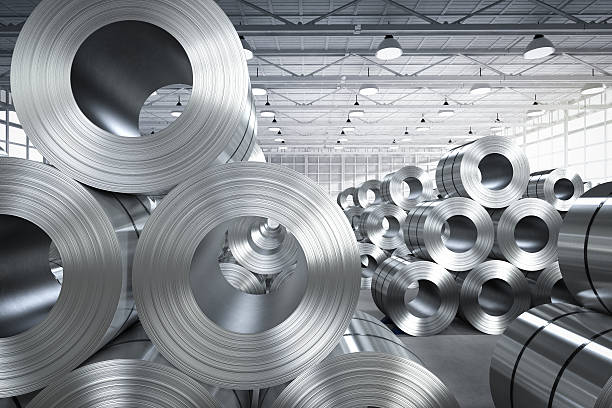
Aluminum prices have surged in 2026, reaching levels not seen since 2022 and creating new challenges for manufacturers and construction companies worldwide. The metal, which is widely used in curtain walls, window and door systems, façade cladding, and structural glazing applications, has become one of the best-performing industrial commodities of the year.
Aluminum futures recently traded near $3,600 per metric ton, marking a gain of approximately 47% compared to the same period last year. During the past 12 months, prices have climbed from lows around $2,450 per metric ton to nearly $3,800 per metric ton, reflecting a significant tightening of the global market.
Several factors are contributing to the rally. Supply concerns have intensified following geopolitical tensions in the Middle East, a key region for global aluminum production. Market participants are closely monitoring potential disruptions to smelter operations, shipping routes, and raw material supplies. At the same time, energy costs remain a major concern, as aluminum production is highly electricity-intensive.
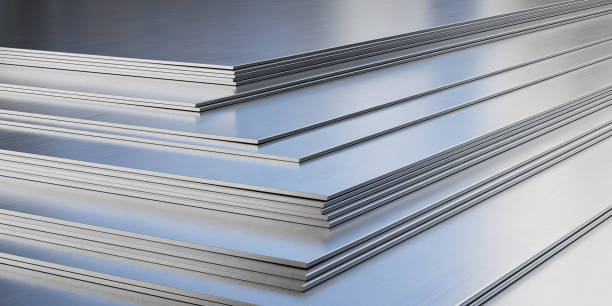
Demand fundamentals have also remained strong. The global push toward electrification, renewable energy projects, electric vehicles, and large-scale infrastructure investments continues to support aluminum consumption. Construction activity in several regions, particularly projects involving sustainable and energy-efficient building envelopes, is further boosting demand for aluminum-based systems. 
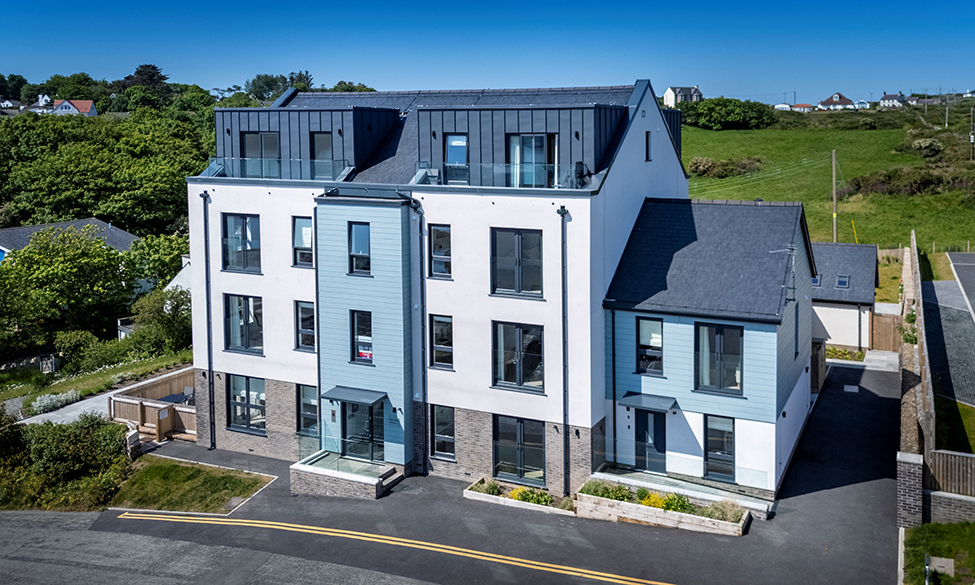
For the glass and façade industry, the rise in aluminum prices has direct consequences. Aluminum profiles represent a significant portion of the cost of windows, doors, curtain walls, skylights, and façade systems. Manufacturers may face increased production expenses, while contractors and developers could encounter higher procurement costs and longer lead times.
Industry analysts suggest that aluminum prices could remain elevated throughout the second half of 2026 if supply risks persist and inventories remain constrained. Some forecasts indicate that prices could approach or even exceed $4,000 per metric ton under a prolonged supply shortage scenario.
As a result, companies throughout the glass, façade, and fenestration supply chain are closely monitoring market developments, reviewing procurement strategies, and seeking ways to improve efficiency while managing material cost volatility.
Source: investing.com with additional information added by Glass Balkan