The Façade Tectonics Institute (FTI) World Congress 2026, held from September 28 to October 2 in Pittsburgh in partnership with Carnegie Mellon University School of Architecture, brought together architects, engineers, researchers and façade specialists to examine developments in building-envelope design.
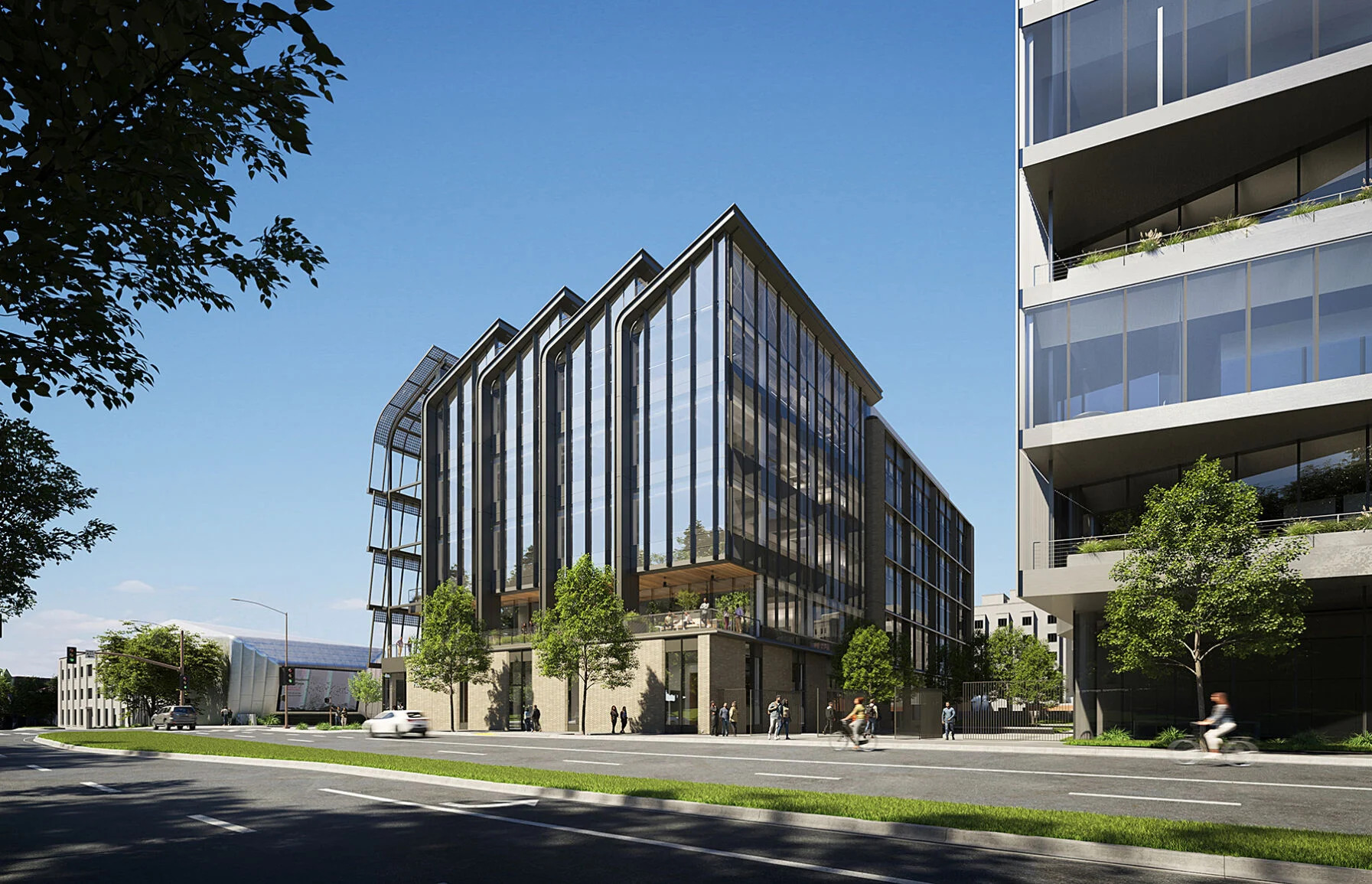
A key focus was building-integrated photovoltaics (BIPV) and their role in reducing façade-related carbon emissions. Ho Lun Chiang of Gensler presented the Bakar Lab for Energy and Materials at UC Berkeley, a five-story climate-research facility designed to integrate BIPV into its façade, roof, mechanical screens and shading devices. Different photovoltaic technologies were selected according to energy output, transparency, daylighting, thermal comfort and appearance. Combined with conventional PV, the systems are expected to offset approximately 8–10% of the building’s energy use, depending on weather conditions.
The congress also examined circularity in architectural glass. Sydney Mainster of the Durst Organization noted that around 10 million tonnes of float glass are manufactured annually in the U.S., while only 25% is recycled into cullet from pre-consumer sources.
Lisa Rammig of Eckersley O’Callaghan highlighted European projects exploring glass reuse, including adding new lites to existing windows and incorporating vacuum insulating glass into historic systems. 
A recurring issue was the lack of connected material databases capable of identifying what glass exists, where it is located and when it could become available for reuse, a potential area for further development in circular façade construction.
Source: USGlassMag with additional information added by Glass Balkan