Urban façades are increasingly being asked to do more than separate inside from outside. In projects exposed to railways, highways and dense urban activity, the façade itself becomes part of the acoustic strategy. One of the most technically interesting approaches is the use of perforated metal skins combined with absorptive material and a controlled cavity.
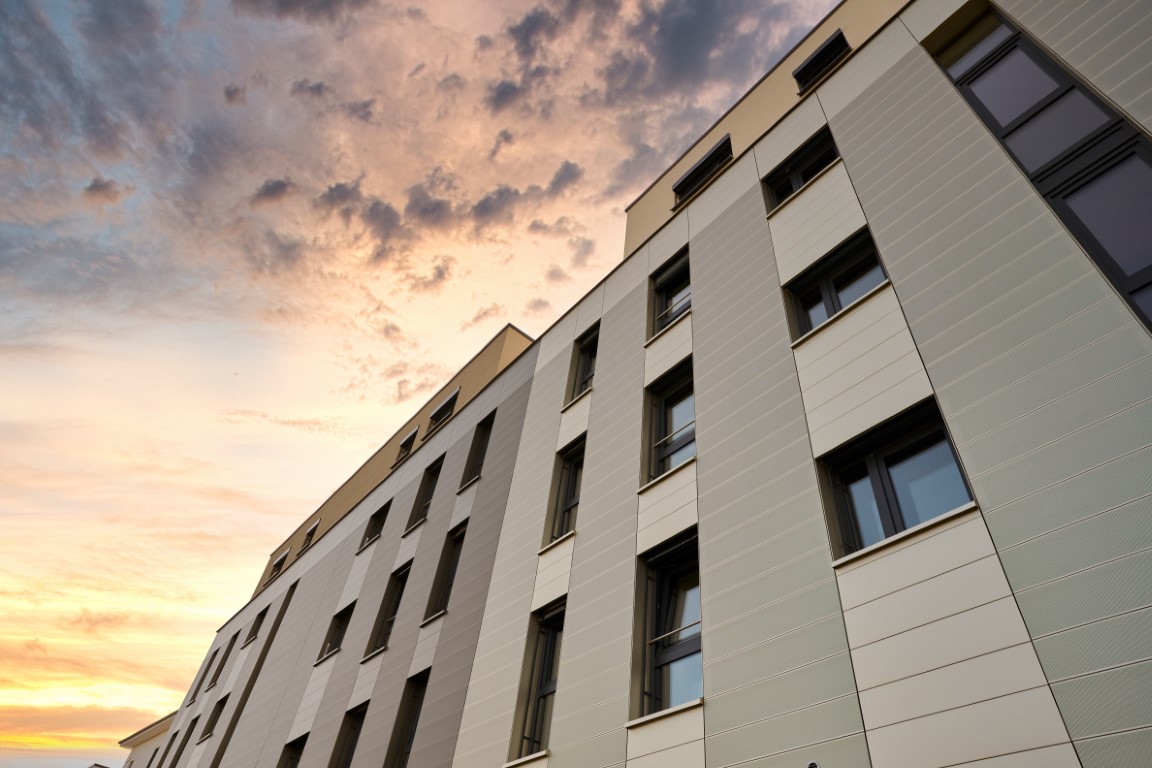
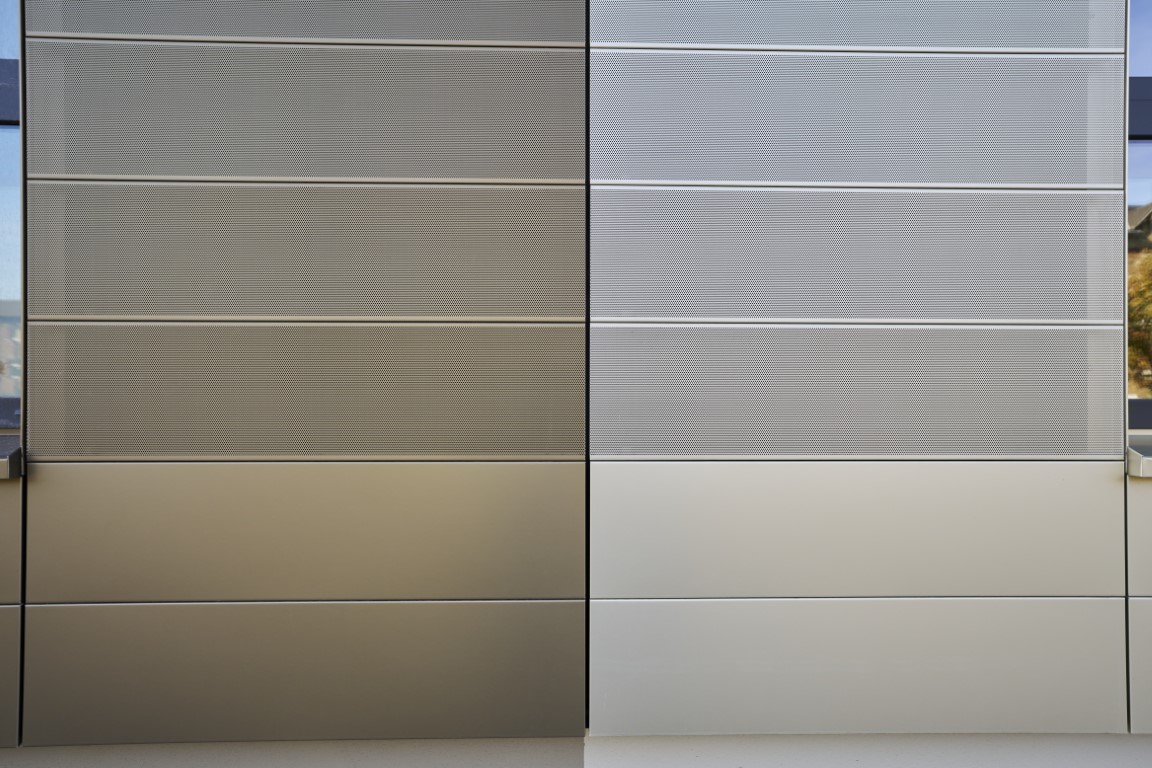
A built example is LC LIVIN in Lahnstein, Germany, where the residential building faces a railway line. Designed by MPLUS Architekten, the project uses a Kalzip FC façade system incorporating FC 30/300 and FC 30/350 profiles with partial perforation. The aluminium profiles feature an AluPlusPatina finish in Bronze B40 and Champagne G12, with installation carried out by Werhand GmbH & Co. The façade incorporates sound-absorbing insulation positioned behind the metal skin and was developed and acoustically tested in collaboration with the Fraunhofer Institute.
The Perforation Is Doing the Work
The principle is more sophisticated than simply putting holes in an aluminium panel.
When sound reaches a perforated surface, air moves through the openings. Friction and viscous losses around the perforations convert part of the acoustic energy into heat. The cavity behind the panel then becomes a critical component of the absorber. Its depth, perforation geometry and absorptive backing determine which frequency ranges can be attenuated effectively. 
This is why a perforated façade cannot be evaluated by the metal sheet alone.
Typical acoustic assemblies can use sub-millimetre to millimetre-scale perforations, controlled open areas and cavity depths of several centimetres or more. Increasing the cavity depth generally shifts the absorption response toward lower frequencies, while the perforation ratio influences the acoustic resistance of the panel. For architects, this creates an unusual opportunity: the acoustic treatment can remain on the exterior while becoming part of the façade language.
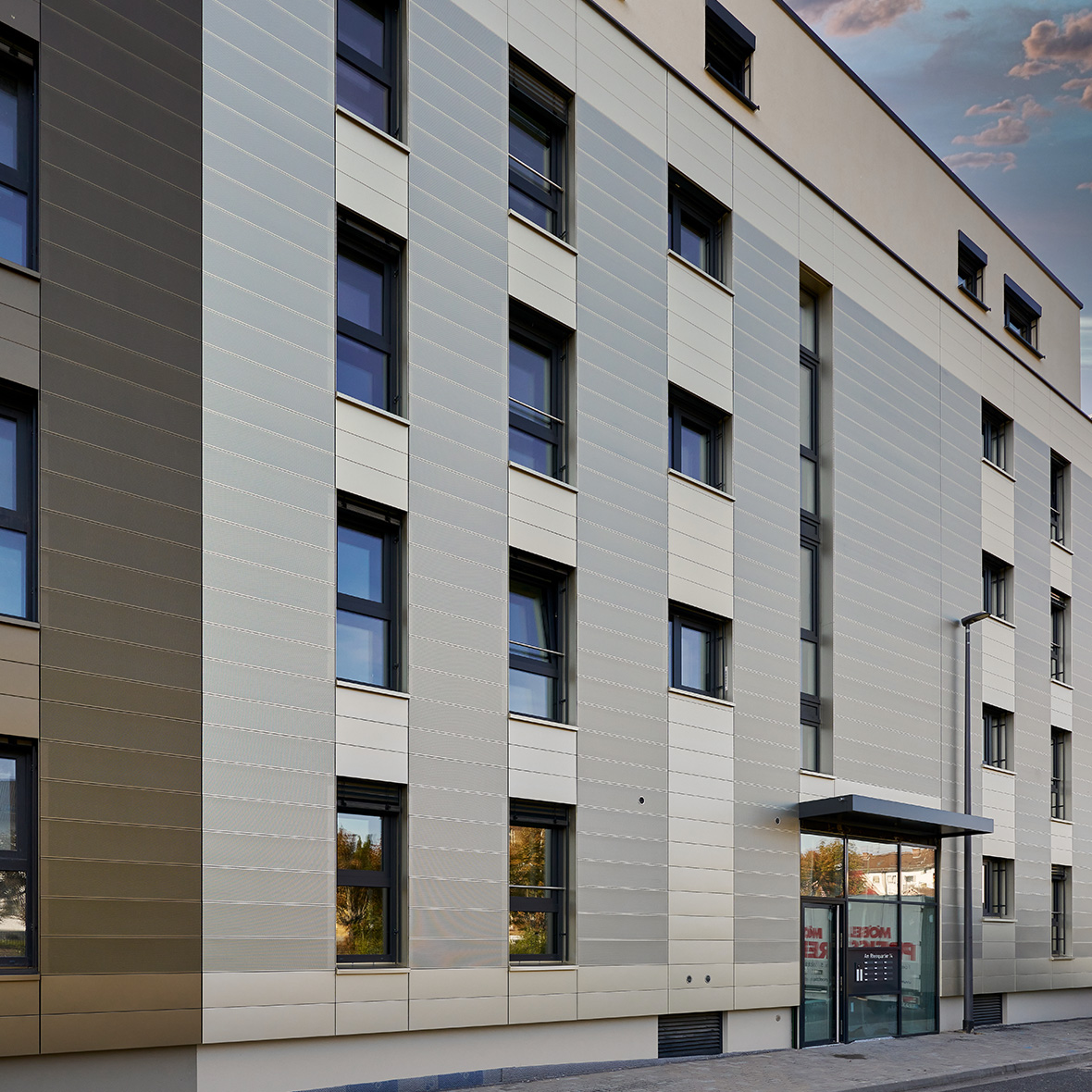
The most effective systems can integrate the acoustic layer into a ventilated rainscreen construction. Behind the perforated aluminium, mineral wool or another porous absorber occupies the cavity. The external panel provides weather protection while the backing material dissipates acoustic energy.
This approach is particularly relevant where conventional acoustic insulation alone cannot solve the problem. Railway noise, for example, contains significant low-frequency components, making façade composition, glazing selection and junction detailing critical.
The weakest component can ultimately determine the performance of the entire envelope. A high-performing opaque wall paired with poorly specified glazing, inadequate seals or acoustic vents can undermine the intended result.
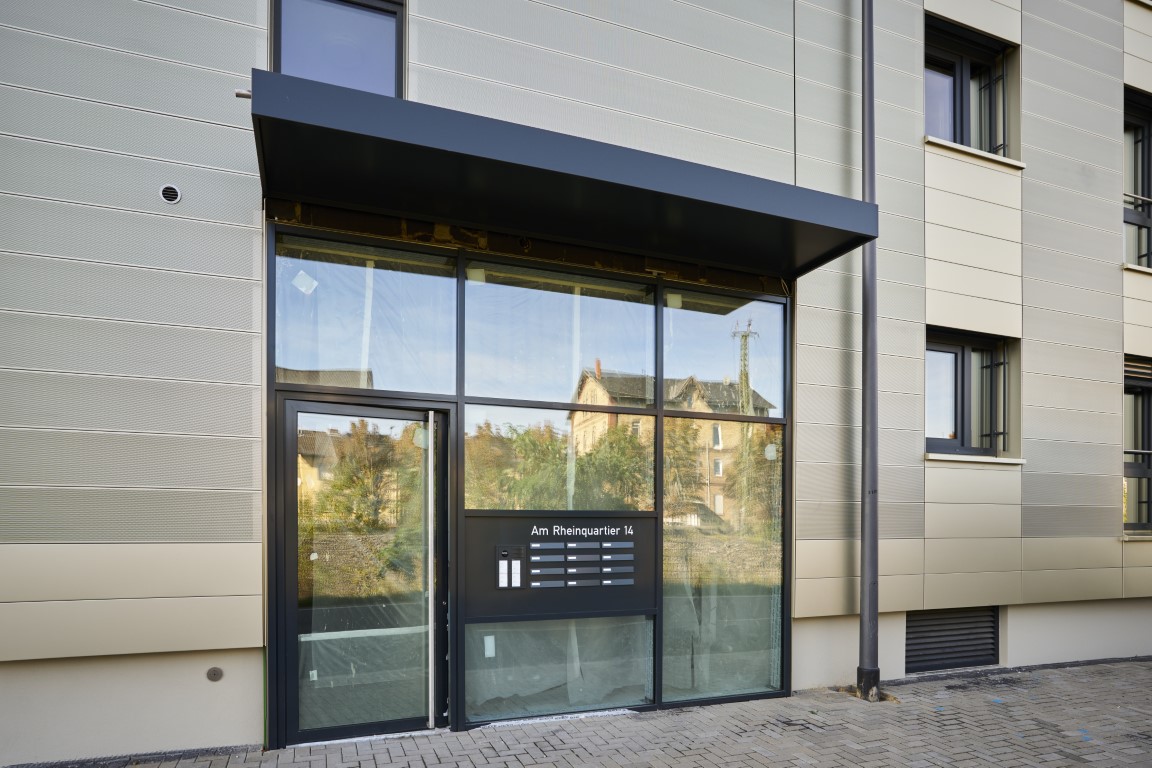
That makes acoustic façade engineering a system-design problem rather than a material-selection exercise.
Did you know a façade could be engineered to absorb sound? What may look like a simple perforated aluminium skin can, when combined with the right cavity, insulation and detailing, become part of a building’s acoustic defence. Projects such as LC LIVIN show that acoustic performance is no longer confined to what sits behind the façade, the façade itself can be engineered to work with sound.
Source: Glass Balkan