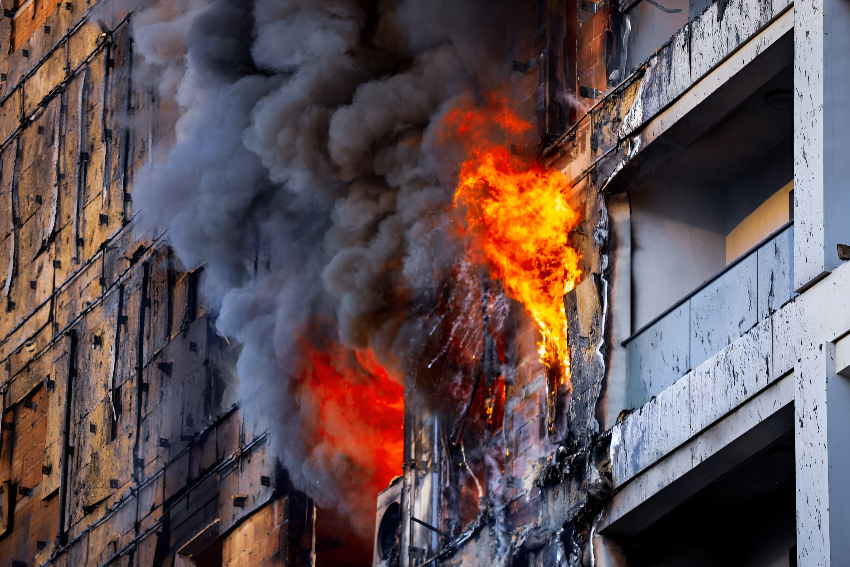
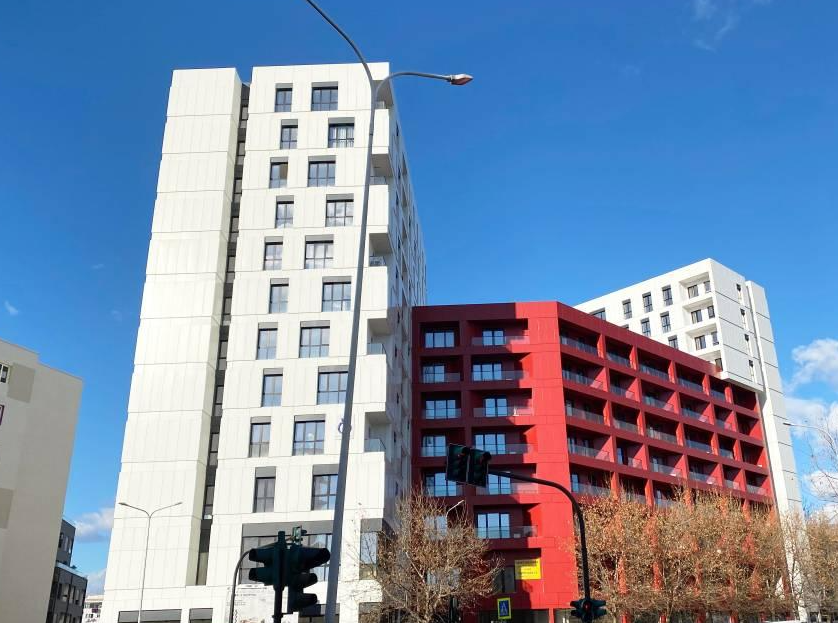
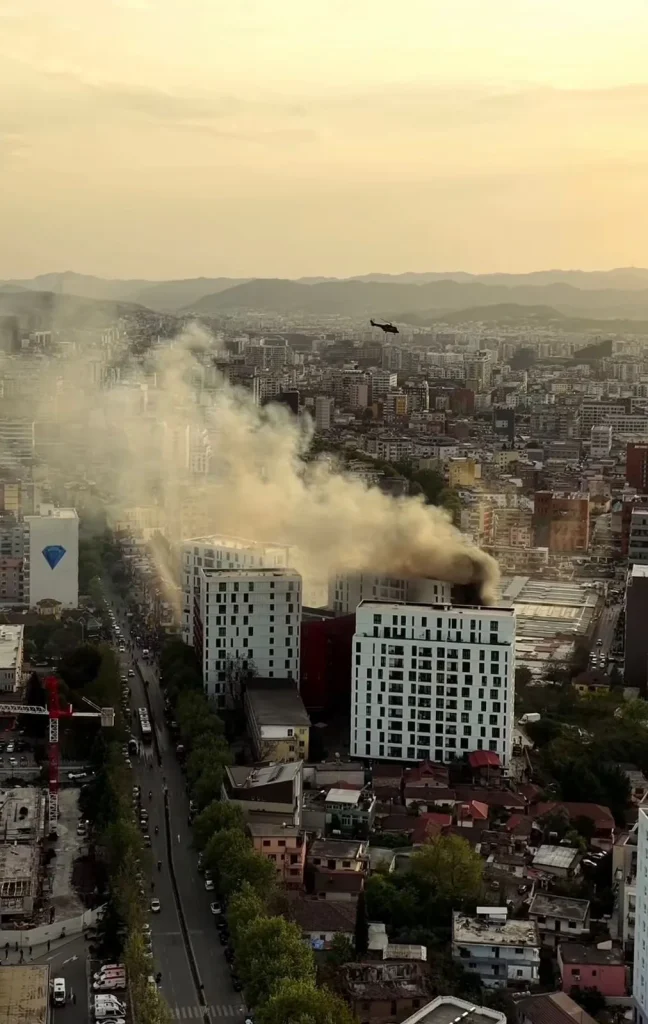
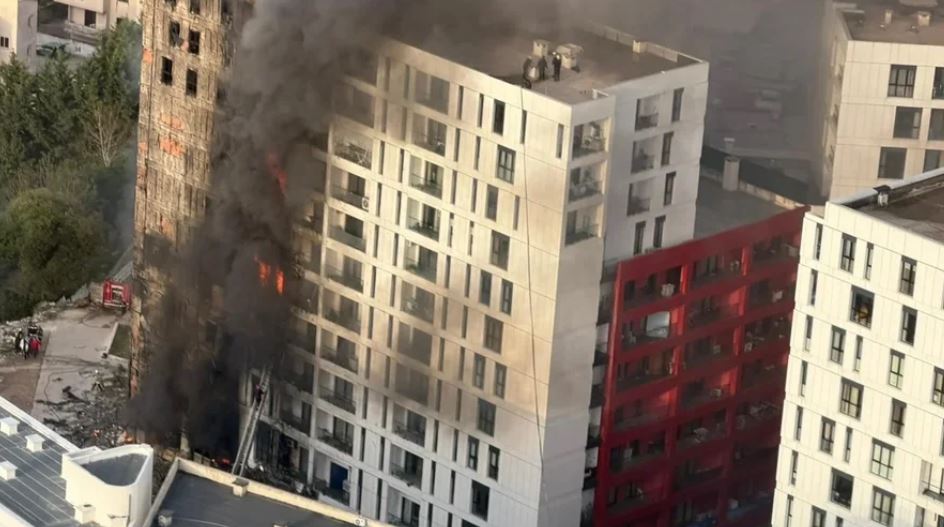
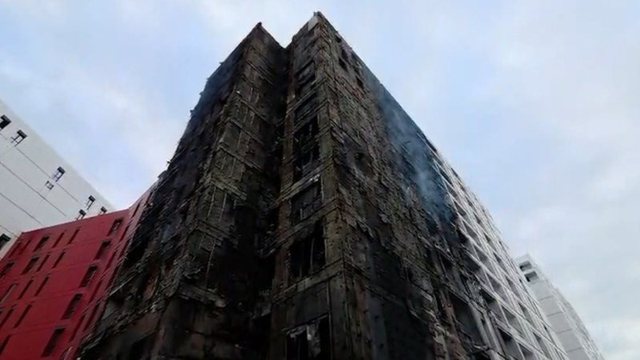
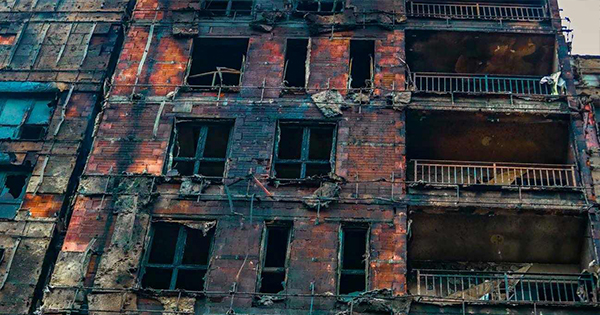
A major fire broke out in a 12-storey residential building complex near the centre of Tirana. The fire is believed to have started in a commercial unit on the lower floors and quickly spread upwards along the exterior of the building, causing serious damage to the façade and affecting parts of the structure.
Early reports indicate that the fire spread rapidly across the external cladding, highlighting how certain façade systems can allow vertical fire propagation when they are not properly designed, installed, or tested as complete assemblies.
Façade Systems and Vertical Fire Propagation
In contemporary high-rise construction, façades are complex engineered assemblies composed of multiple interacting layers, including external cladding, insulation materials, air cavities, fixings, and substructures. While these systems are designed to improve energy efficiency and architectural expression, they can also introduce significant fire risks if not correctly specified and tested as complete systems.
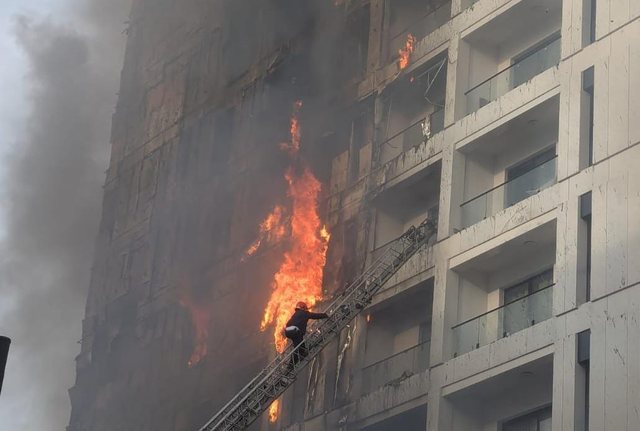
One of the most critical risks in façade engineering is the “chimney effect”, where continuous air cavities accelerate the vertical movement of flames. This phenomenon can result in fire spreading rapidly from one floor to another, particularly when combustible or inadequately tested materials are used or when cavity barriers are missing or incorrectly installed. 
The Importance of Certified, Non-Combustible Façade Solutions
International fire safety standards, including EN 13501-1, classify materials based on their reaction to fire. For high-rise applications, the use of A2-s1, d0 rated materials is widely recognized as a benchmark for non-combustibility and minimal smoke production.
Among modern façade technologies, aluminium composite panels with mineral cores are designed to reduce fire risks when used as complete systems. A key example is STACBOND A2, a ventilated façade made of two aluminium sheets and a non-combustible mineral core. It achieves A2-s1, d0 fire classification, meaning it is non-combustible, with very limited smoke and no burning droplets under fire exposure.
These systems are also designed for high-rise buildings where durability, stability, and weather resistance must meet strict safety standards. Fire safety in façades depends not on a single material, but on the full system, including insulation, anchoring, cavity design, and fire stopping.
Shifting Toward Performance-Based Façade Safety
To reduce the risk of similar incidents, it is essential to adopt a performance-based approach that includes:
- Mandatory use of certified non-combustible façade systems (A2 classification where required)
- Full-system fire testing, not only individual material certification
- Proper installation of cavity barriers and fire stops
- Early involvement of specialized façade engineering consultants
The Role of Specialized Façade Engineering Consultancy
The Tirana incident further underscores the importance of involving specialized façade engineering consultants early in the design process. Companies such as APAZONE provide integrated building envelope consultancy services, supporting architects, developers, and contractors in the selection and implementation of façade systems aligned with European standards.
APAZONE, for over 15 years, provides façade consultancy for aluminium–glass systems, ventilated façades, and windows, including feasibility studies, optimization, and material selection in line with European standards. This expertise is essential to ensure façade systems are both efficient and compliant with fire safety requirements.
Source: Glass Balkan