The current escalation involving the United States, Israel and Iran has triggered strong market reactions and rising global concern about wider conflict. For the glass, façade and aluminium industries, however, the critical issue is not political speculation but how the situation affects energy prices, shipping routes and industrial risk management, the three variables that directly influence production and project delivery.
Oil prices have already surged, reaching multi-month highs after disruptions in the Strait of Hormuz, one of the world’s most important energy corridors. At the same time, several global shipping companies have suspended or rerouted services through the region, choosing longer routes around the Cape of Good Hope due to security concerns.
For the building envelope sector, this translates into measurable industrial consequences.
Glass Industry, Energy Becomes the Key Risk
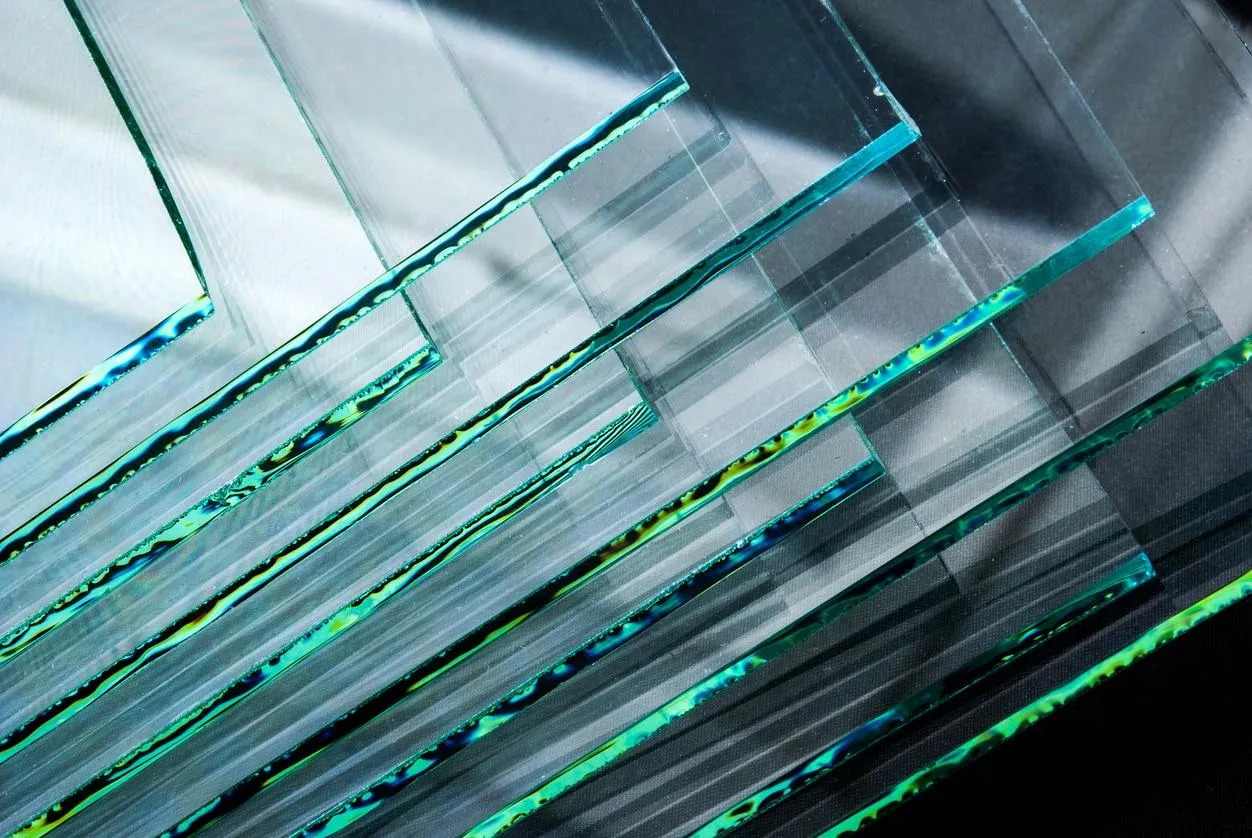
Glass production is fundamentally dependent on continuous furnace operation. Float glass furnaces run 24/7 at extremely high temperatures, and any energy disruption immediately affects production economics. 
When oil and gas prices rise:
- furnace operating costs increase within days
- margin pressure appears first in standard float glass
- producers shift focus toward higher-value coated or façade glazing where energy input can be absorbed.
This is not theoretical. During past energy shocks, manufacturers avoided shutdowns but reduced lower-margin production and adjusted pricing structures instead. The same pattern is likely now.
Shipping disruption adds a second layer of risk. Modern façade glass relies on globally sourced inputs such as PVB interlayers, coating chemicals and specialist gases. With shipping lines rerouting and war-risk surcharges introduced, procurement cycles are becoming longer and less predictable.
Aluminium, The Fastest Industry to React
Aluminium is even more sensitive because production depends heavily on electricity. Industry data shows primary smelting energy intensity remains one of the highest among construction materials.
When energy prices rise or become unstable:
- aluminium prices react rapidly
- extrusion suppliers shorten quotation validity
- façade system providers introduce surcharge or adjustment clauses.
This creates direct uncertainty for large aluminium façade packages, particularly in projects with long execution periods.
Logistics exposure is another factor. The Gulf region plays a major role in global aluminium exports. Shipping disruptions and rerouting increase transit times and freight costs, pushing many façade suppliers to reassess sourcing strategy and favour regional or European extrusion partners.
If tensions ease quickly, impacts remain limited to short-term price volatility. If instability continues, the sector could accelerate trends already underway:
- energy-efficient glass production
- higher reliance on recycled aluminium
- regionalised façade supply chains.
The biggest risk today is not material shortage, it is unpredictability. Companies with flexible sourcing, strong energy management and localised supply networks will be best positioned to remain competitive as the situation evolves.
Source: Glass Balkan