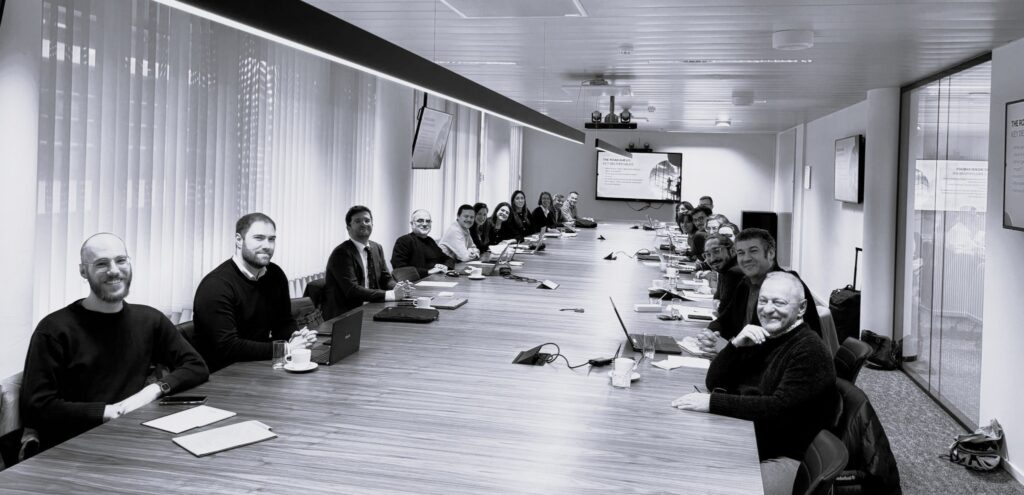
On 26 February, Glass for Europe participated in the inaugural meeting of the Whole Life Carbon Forum for Buildings, marking an important step in the ongoing dialogue around carbon measurement in the European construction sector. The Forum gathered representatives from across the building value chain to exchange perspectives on whole life carbon and to reflect on relevant provisions of the revised Energy Performance of Buildings Directive (EPBD).
Representing the flat glass sector, Glass for Europe reiterated its support for a full life-cycle approach to assessing greenhouse gas emissions from buildings. Such a methodology evaluates impacts from raw material extraction and manufacturing through transport, installation, maintenance, and end-of-life processing, while also accounting for emissions generated during the building’s operational phase. Addressing both embodied and operational carbon is essential to ensure that reductions in one phase do not inadvertently increase impacts in another.
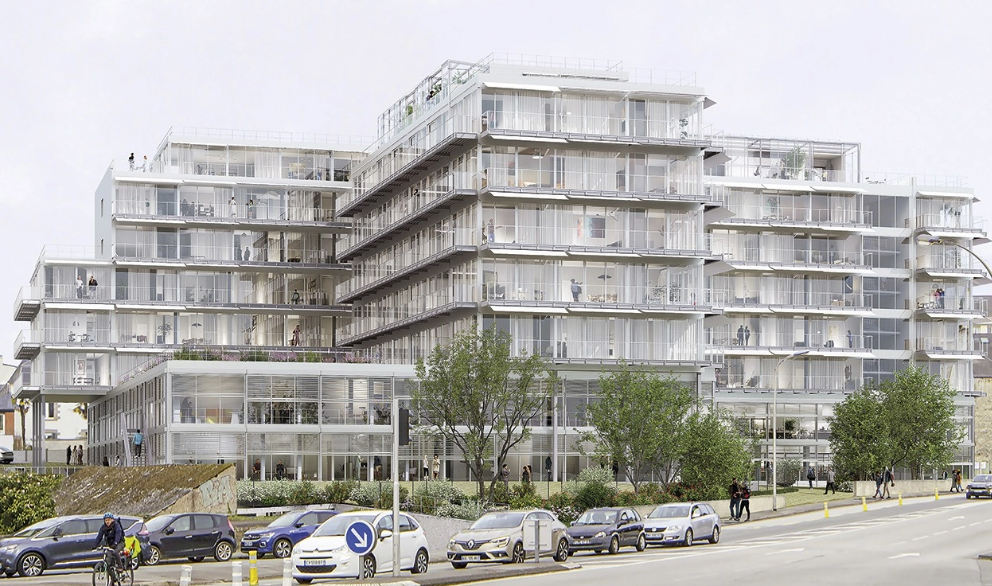
For façade and envelope systems, where flat glass is central to daylight management, thermal performance, and solar control, a balanced assessment framework is particularly critical. High-performance glazing solutions can significantly reduce operational energy demand, yet their embodied footprint must also be transparently measured within a harmonised EU framework.
The Forum aims to create a collaborative platform where industry, designers, and policymakers can align methodologies, share data, and support effective implementation at national level. Key priorities discussed include ensuring comparability across materials and Member States, maintaining a fair regulatory environment, and relying on robust, high-quality datasets. 
With EU Member States required to publish national roadmaps by January 2027 outlining limit values and targets for whole life carbon performance, 2026 will be a pivotal year. Continued coordination and methodological clarity will be essential to ensure coherent and credible implementation across Europe.
Source: Glass for Europe with additional information added by Glass Balkan