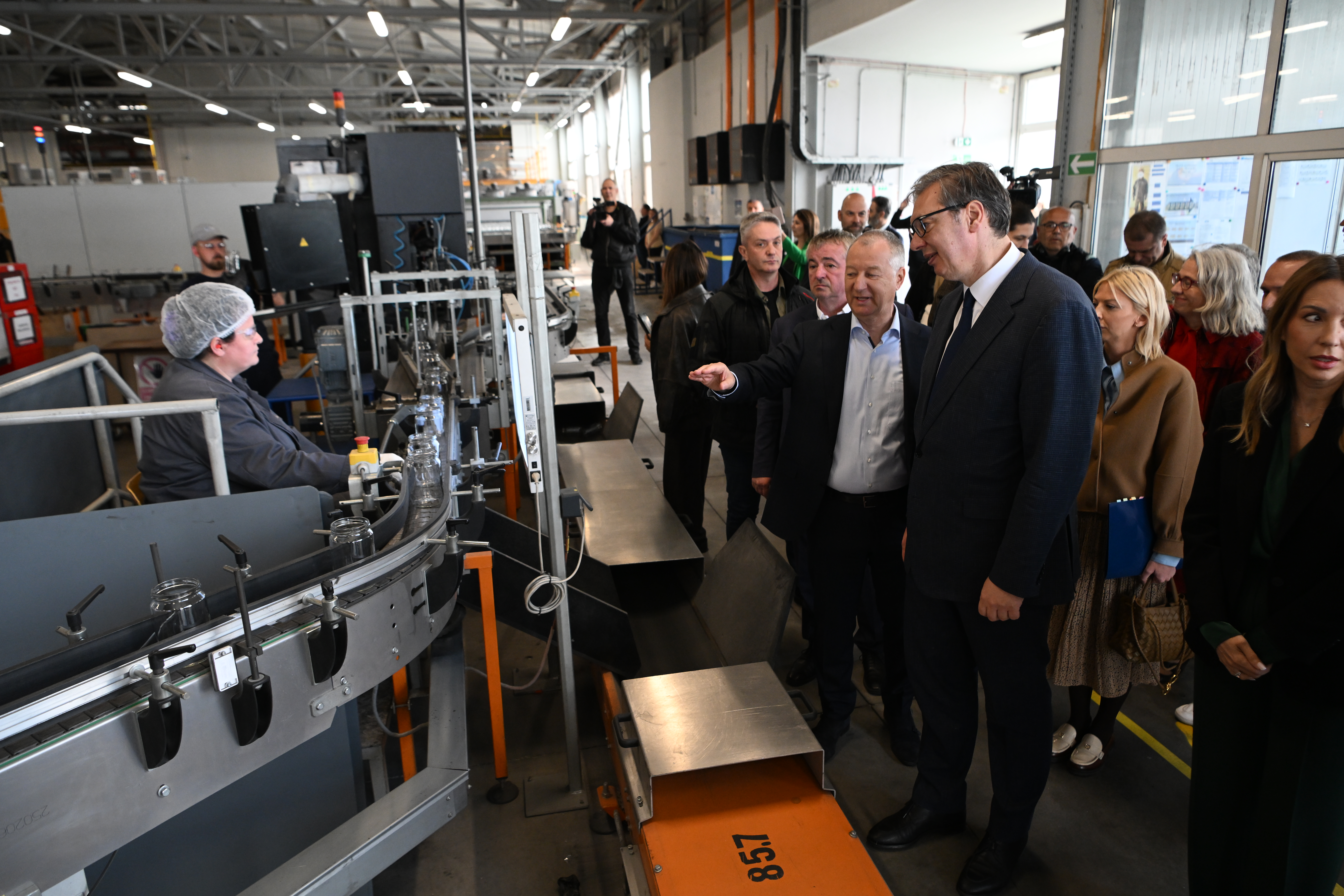
Vaider Group has officially inaugurated its modernised production facility, Vaider Srpska Fabrika Stakla (VSFS), in Paraćin, marking a major milestone in the Group’s long-term industrial expansion strategy in Southeast Europe. The project is part of an investment cycle exceeding EUR 100 million, aimed at strengthening production capacity, advancing technology, and expanding export reach across international markets.
The inauguration ceremony gathered high-level political, diplomatic, and industry representatives, including Aleksandar Vučić, owner Igor Lah, and CEO Kristijan Fröba, alongside ambassadors from Switzerland and Slovenia and senior Serbian government officials. Their presence underlined the strategic importance of the investment for both Serbia’s industrial base and broader European manufacturing networks.
At the core of the project is a state-of-the-art glass furnace commissioned in 2024, representing the first phase of a EUR 50 million investment. The furnace has a daily production capacity of up to 270 tonnes of glass packaging, positioning the Paraćin facility as a significant production hub within the region. With this upgrade, the site has rapidly expanded its footprint, already supplying customers in more than 20 international markets across Europe and beyond.
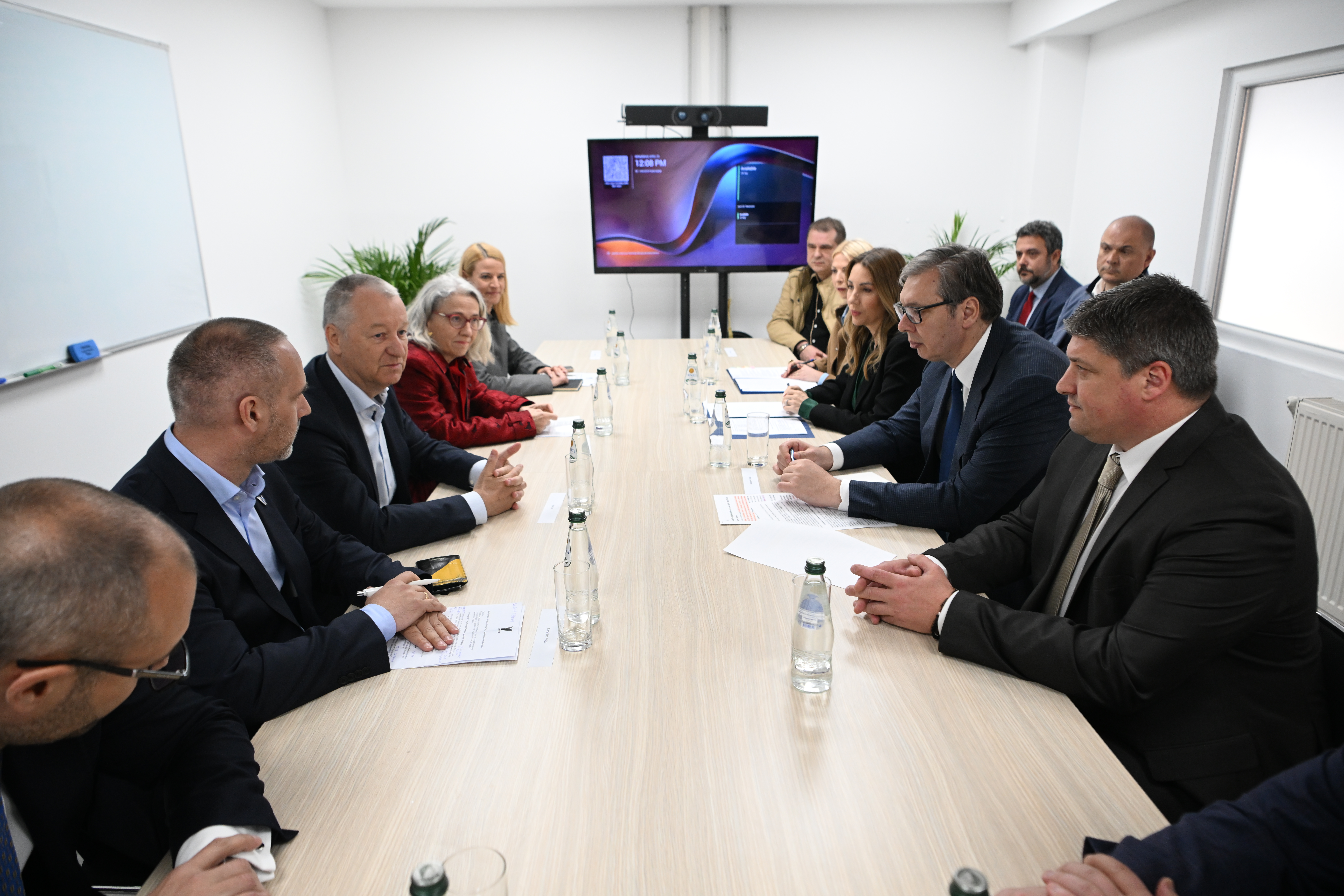
VSFS specialises in high-quality glass packaging for the food and beverage industry, including bottles for wine, spirits, water, soft drinks, and food products. The facility operates under strict food safety standards and focuses on improving production efficiency, energy performance, and sustainability through continuous technological upgrades and modernised manufacturing processes. 
CEO Kristijan Fröba emphasised that the company’s priority is strengthening competitiveness in the European premium market while maintaining Serbia as a core production base. He highlighted that the integration of advanced technology and skilled workforce capabilities has been central to accelerating the plant’s performance within its first year of upgraded operations.
Owner Igor Lah described the Paraćin facility as a key industrial asset with the potential to become a leading production hub in the region. He stressed the importance of long-term investment, industrial continuity, and the dedication of the local workforce, which has supported the site through multiple transformation phases over its 115-year history.
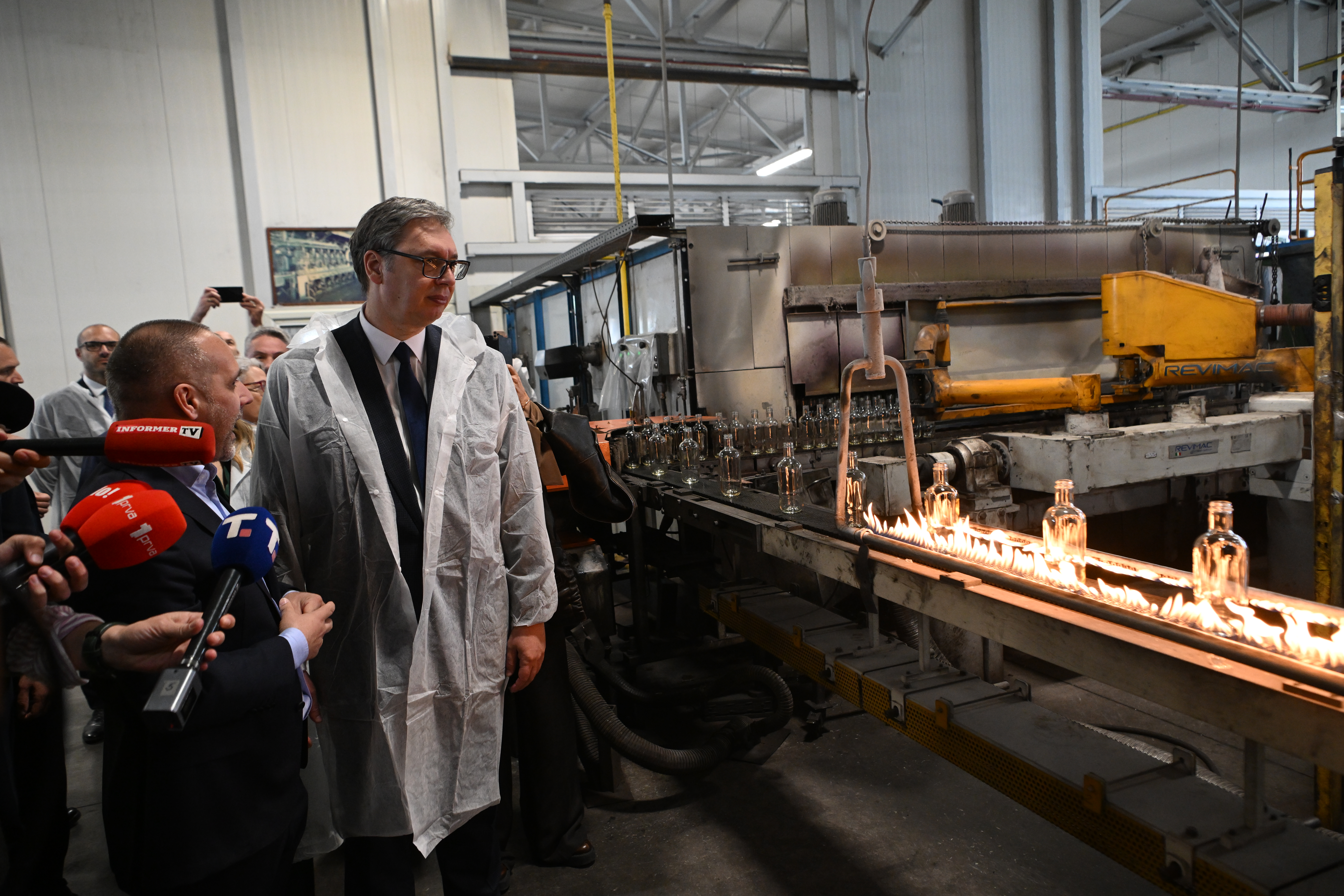
The Serbian government also reaffirmed its commitment to supporting industrial growth. President Aleksandar Vučić highlighted the long tradition of glass production in Serbia, dating back to 1846, and noted that the country is working to revitalise and modernise this strategic sector. He announced continued support measures, including more favourable energy pricing and investment incentives for industrial modernisation.
International partners also underscored the broader significance of the project. The Swiss ambassador pointed to the long-standing economic cooperation between Switzerland and Serbia, while the Slovenian ambassador highlighted the contribution of regional entrepreneurship and innovation to the investment structure. The project reflects a multinational collaboration combining Swiss headquarters, Slovenian industrial expertise, and Serbian production capabilities.
Today, Vaider Srpska Fabrika Stakla employs around 270 people and generated approximately EUR 14.2 million in revenue in 2024. As part of Vaider Group’s integrated glass packaging platform, the facility combines traditional craftsmanship with advanced manufacturing systems to serve both domestic and international markets.
Source: ras.gov.rs with additional information added by Glass Balkan