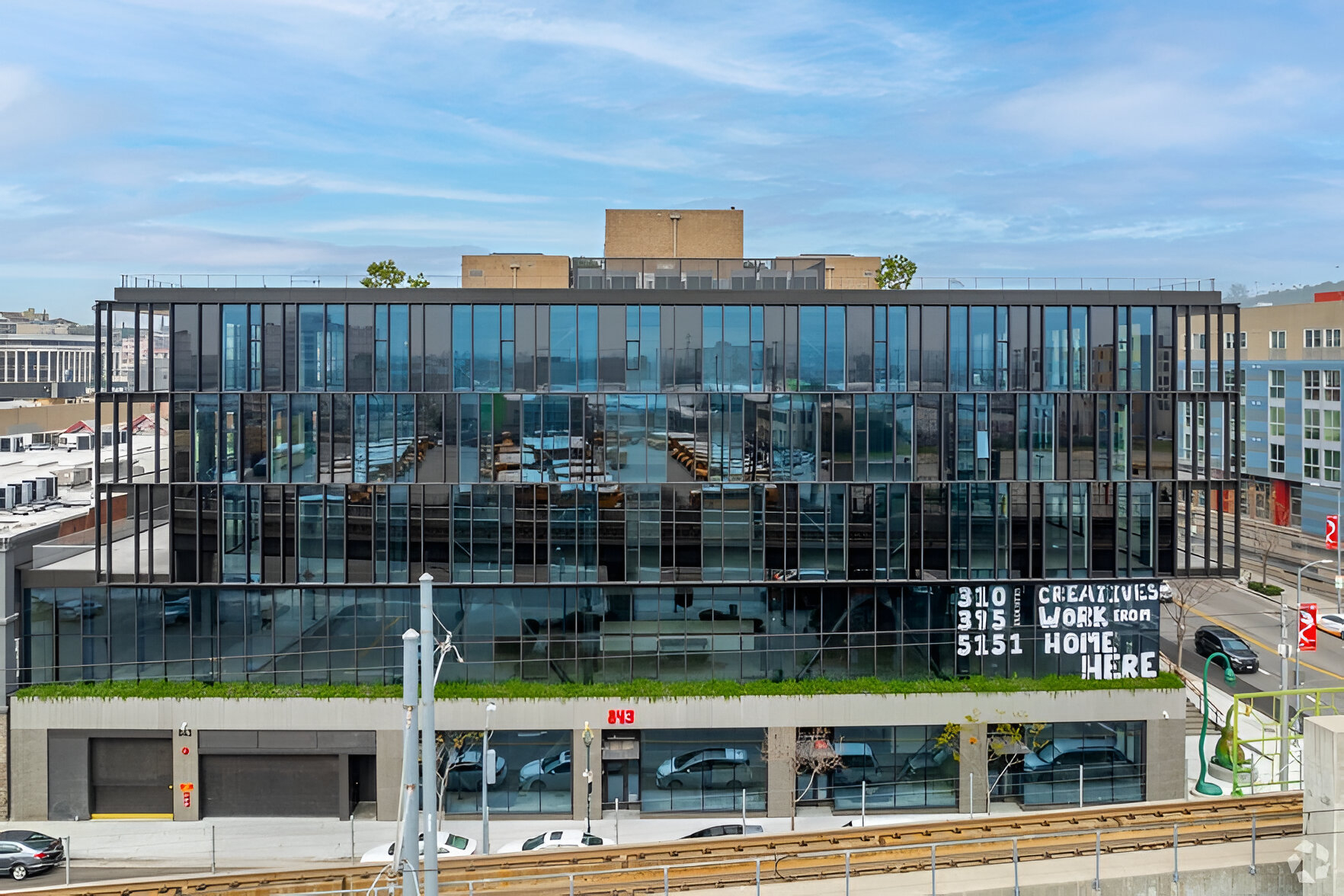
At 843 N Spring Street in Los Angeles, a former windowless warehouse has been transformed into a contemporary mixed-use building that reflects the city’s shift toward adaptive reuse and low-carbon construction. Designed by LEVER Architecture and delivered by Shawmut Design and Construction, the project combines office and retail spaces within a hybrid structure that reuses the existing concrete base while adding new levels above.
A defining element of the project is the façade along Spring Street, where Trü delivered a custom façade package designed, engineered, fabricated, and installed by its in-house team. The scope includes Lift and Slide systems, Guard Railing solutions, and the EFI 70 system, all tailored to support the architectural intent while meeting structural, seismic, and performance requirements specific to Los Angeles.
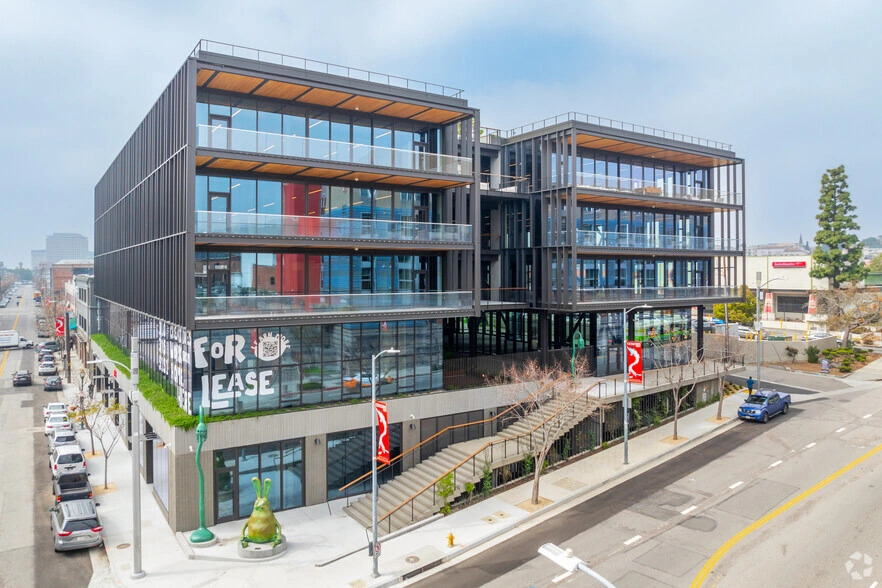
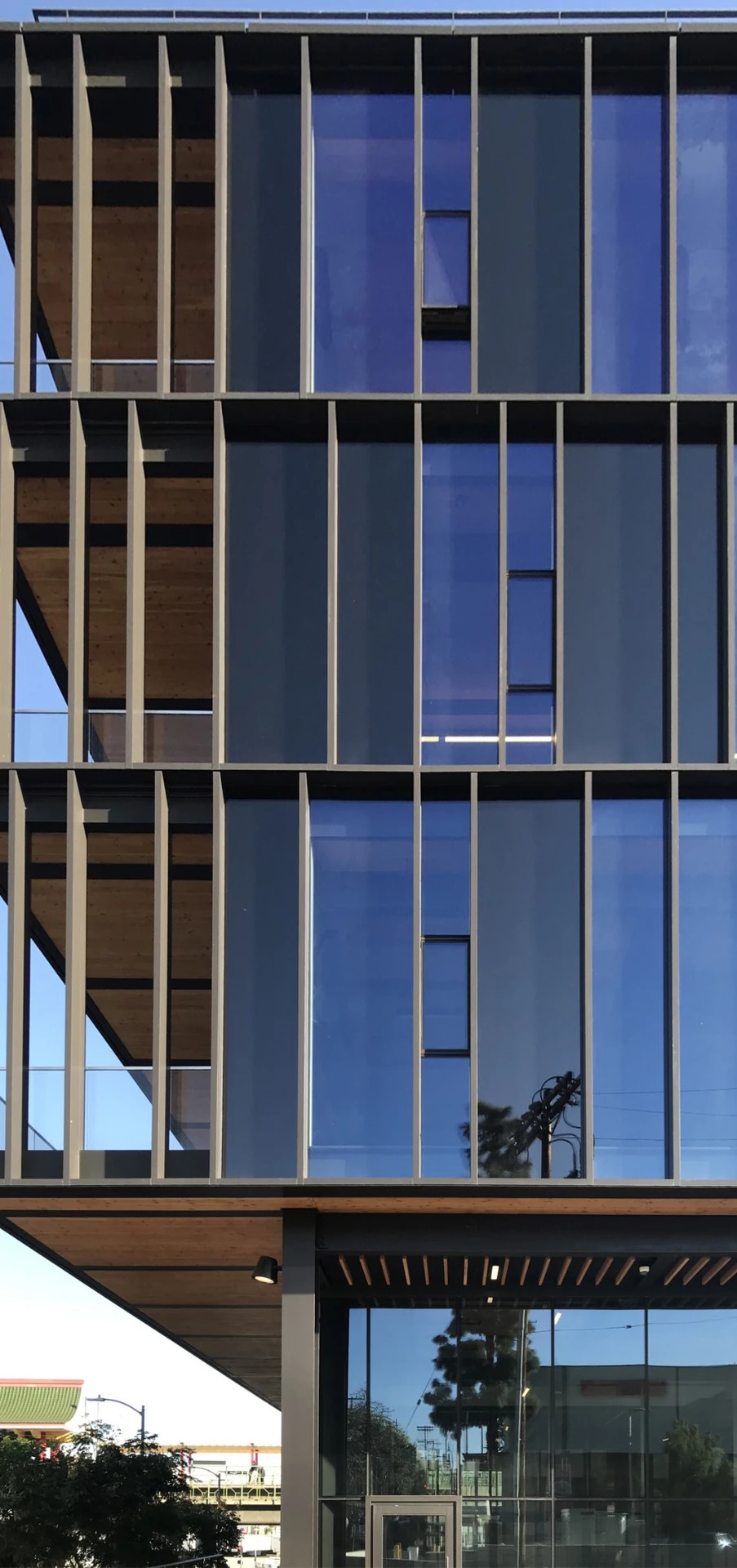
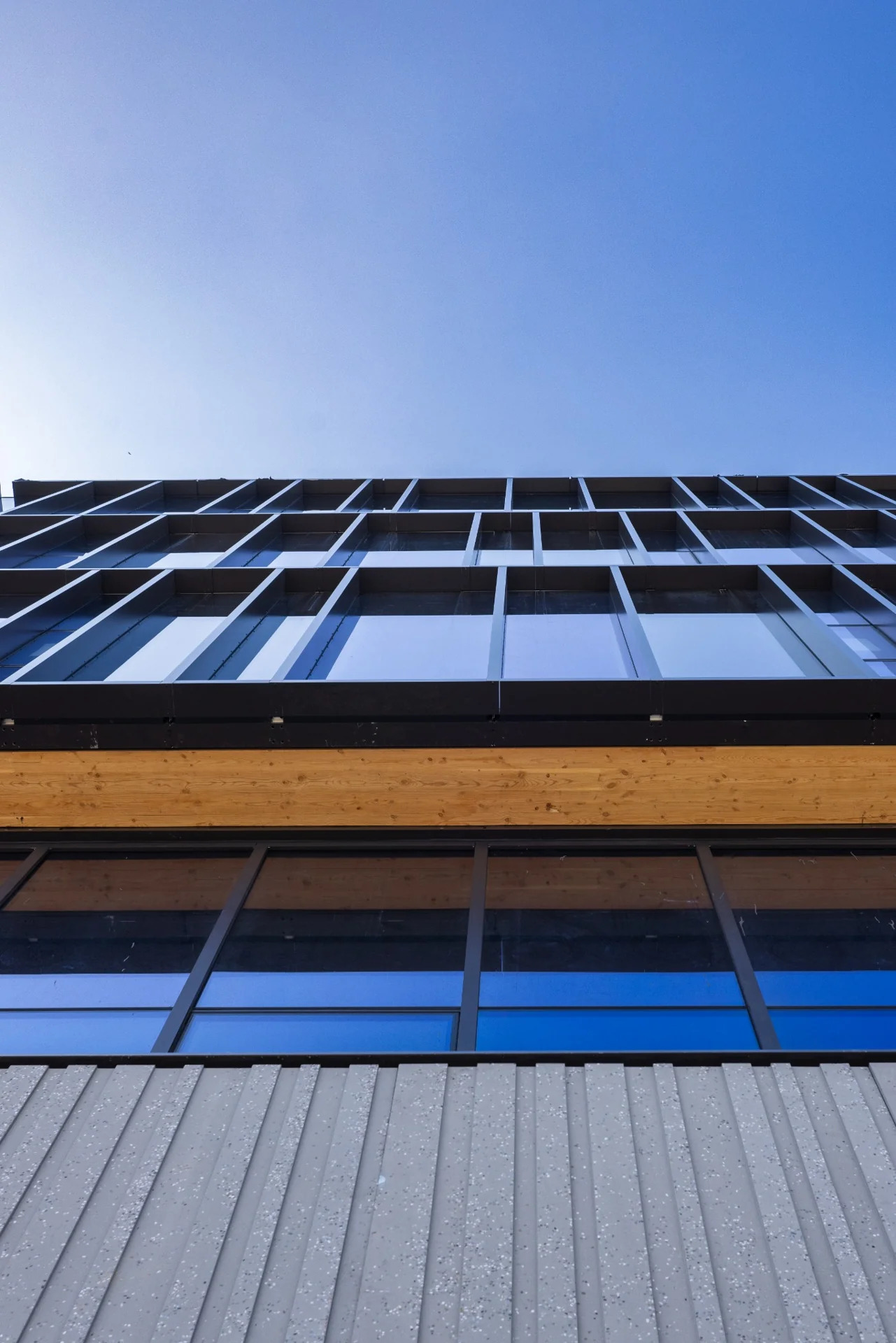
The façade plays a critical role in opening the building to the city, replacing the previously closed envelope with large glazed areas that enhance daylight, transparency, and connection to the street. According to the project team, each façade detail was developed in close coordination with the architect and contractor to ensure clarity, precision, and buildability at scale, a key requirement for a project integrating new construction with an existing structure.
The building is notable for its hybrid steel and cross-laminated timber (CLT) structure, an approach that allowed additional floors to be added while limiting the impact on the original foundations. This strategy aligns with the project’s broader sustainability goals, reducing demolition and supporting a lower-carbon construction approach. 
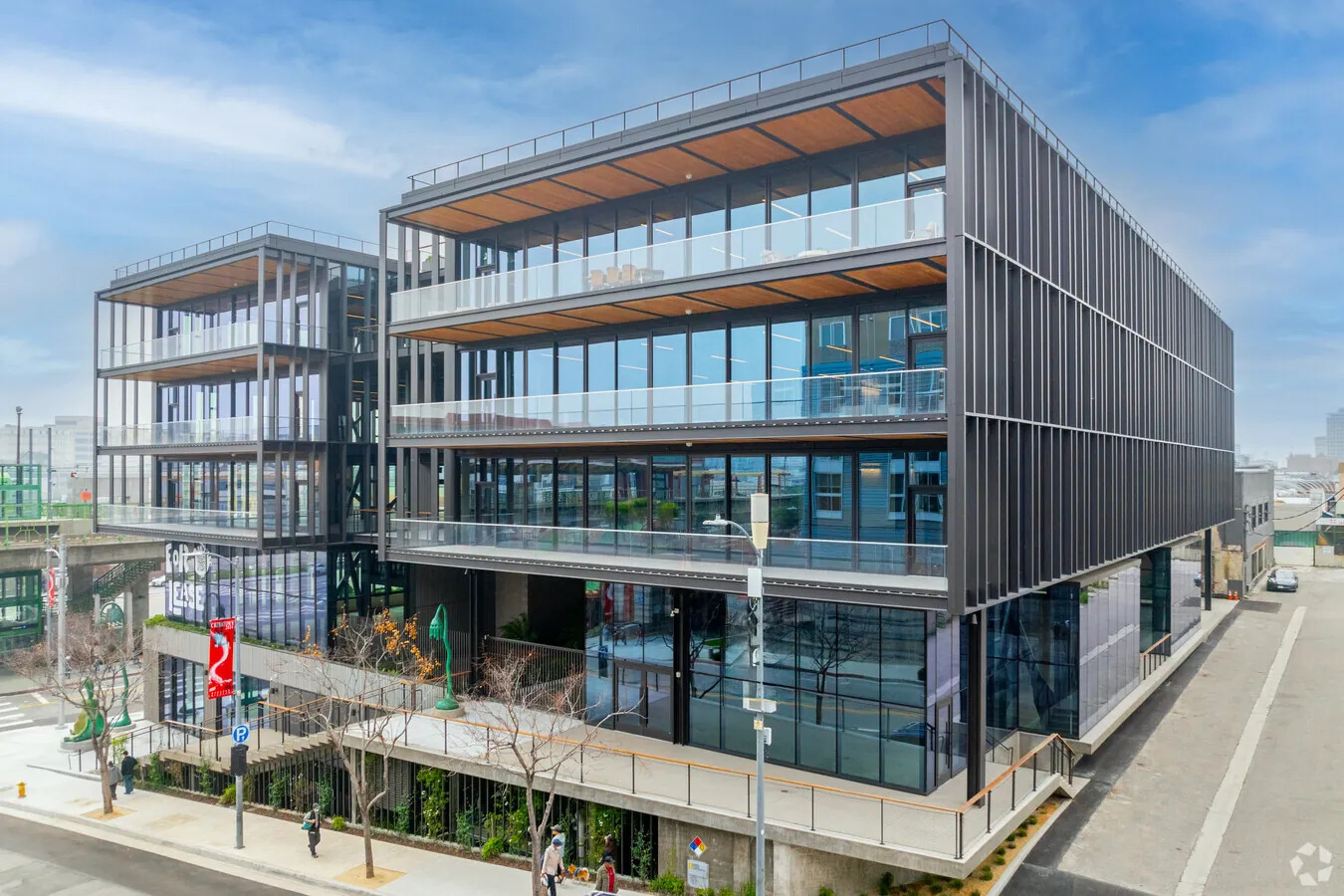
For the glazing scope, Guardian Industries supplied the glass, with fabrication carried out by TVITEC System Glass, completing an international project team focused on high-performance façade execution.
Located in Los Angeles’ Chinatown area, 843 N Spring Street stands as a reference project for adaptive reuse, mass-timber integration, and custom façade engineering, demonstrating how carefully coordinated envelope solutions can redefine both building performance and urban presence.
Source: TRU with additional information added by Glass Balkan