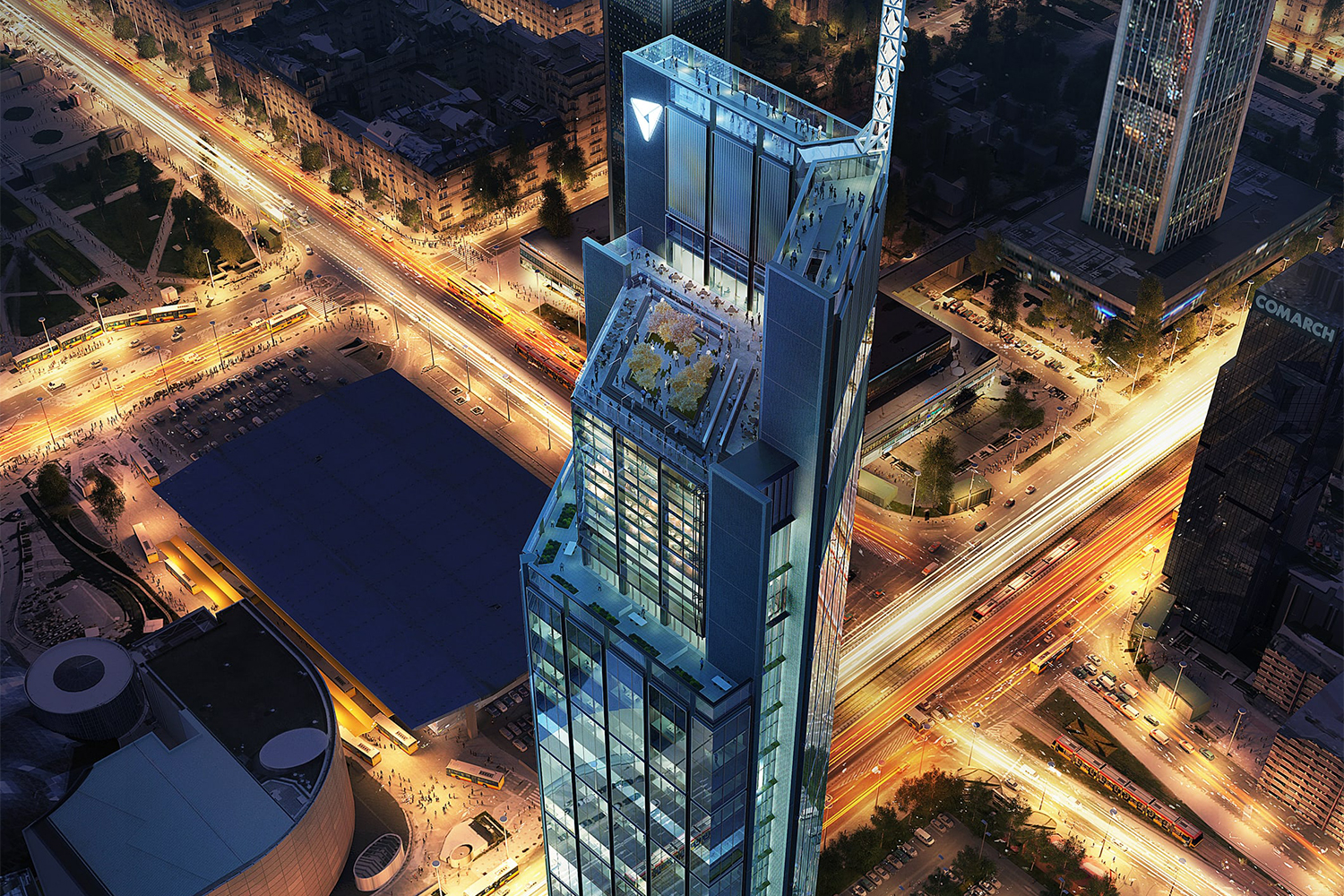
Rising to a height of 288 metres, the National Space Center Tower is the vertical focal point of the new National Space Center complex in Moscow, developed for Roscosmos, the Russian state corporation for space activities. Scheduled for completion in 2025, the tower forms part of a large-scale scientific, administrative, and public complex with a total built area exceeding 250,000 m².
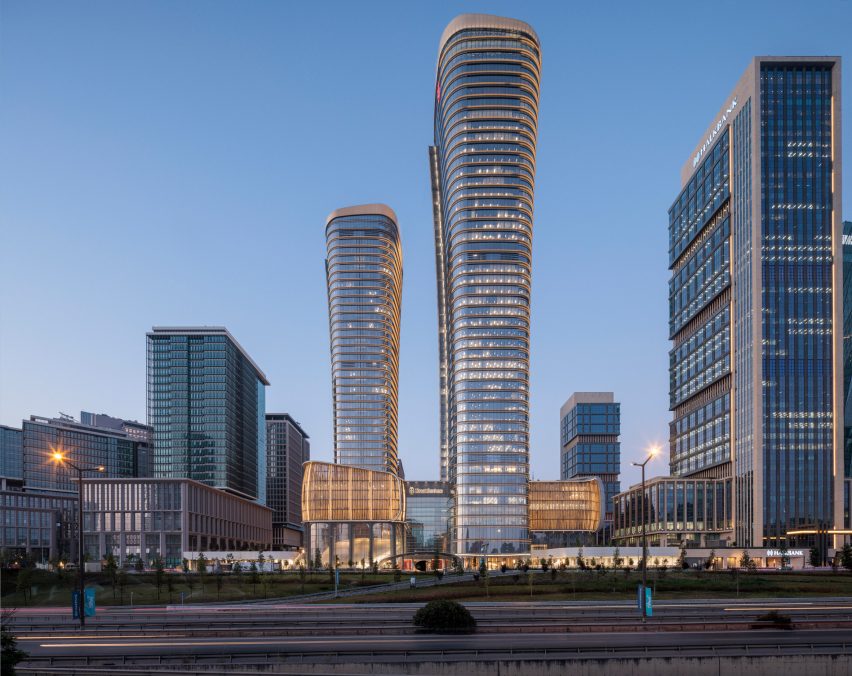
The architectural concept of the project was developed by UNK, whose design establishes a unified visual identity across the complex through the extensive use of glass façades combined with thin aluminium elements. Transparency plays a central role in the architectural language, reflecting both the technological character of the space industry and the civic ambition of the project.
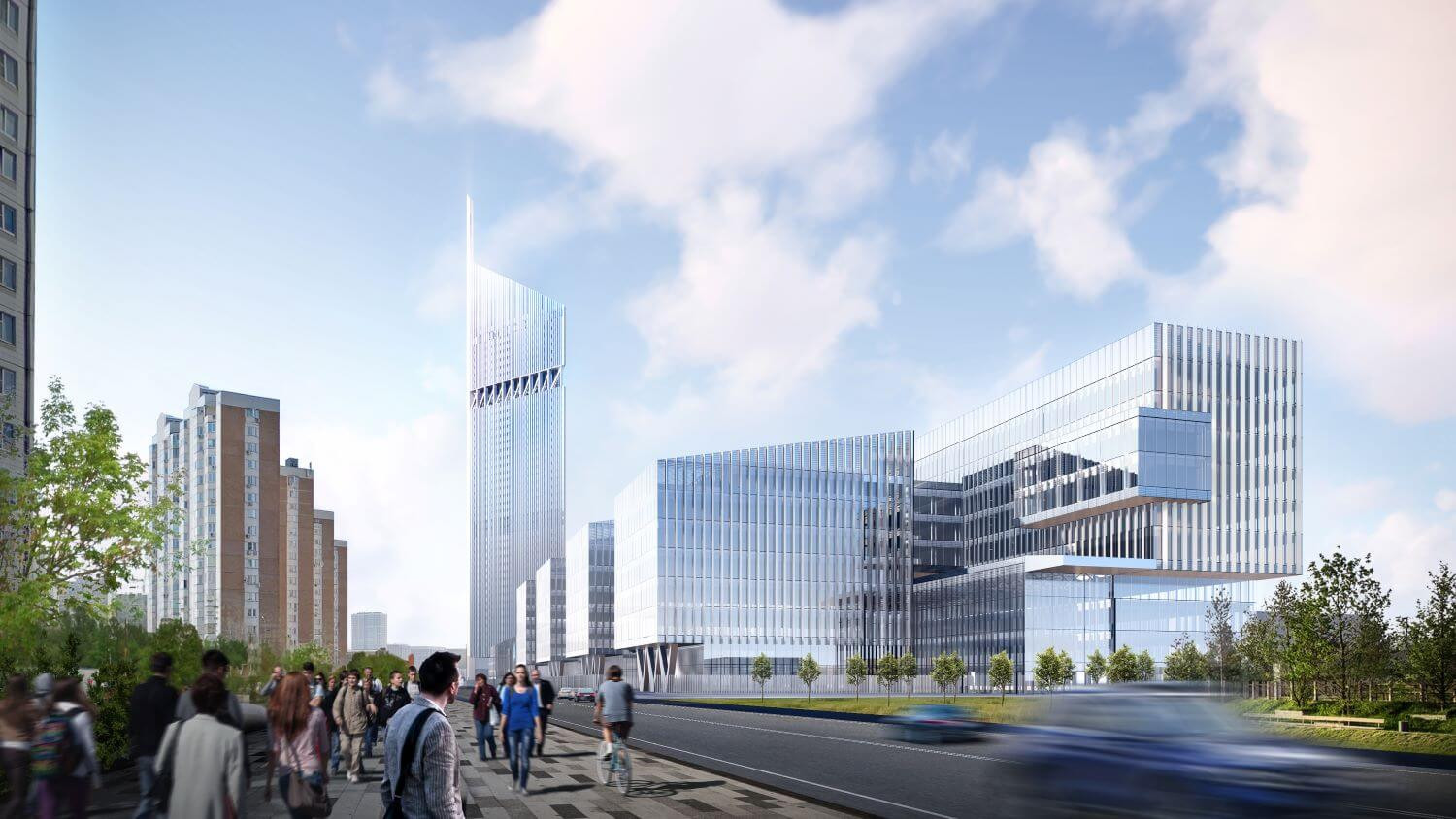
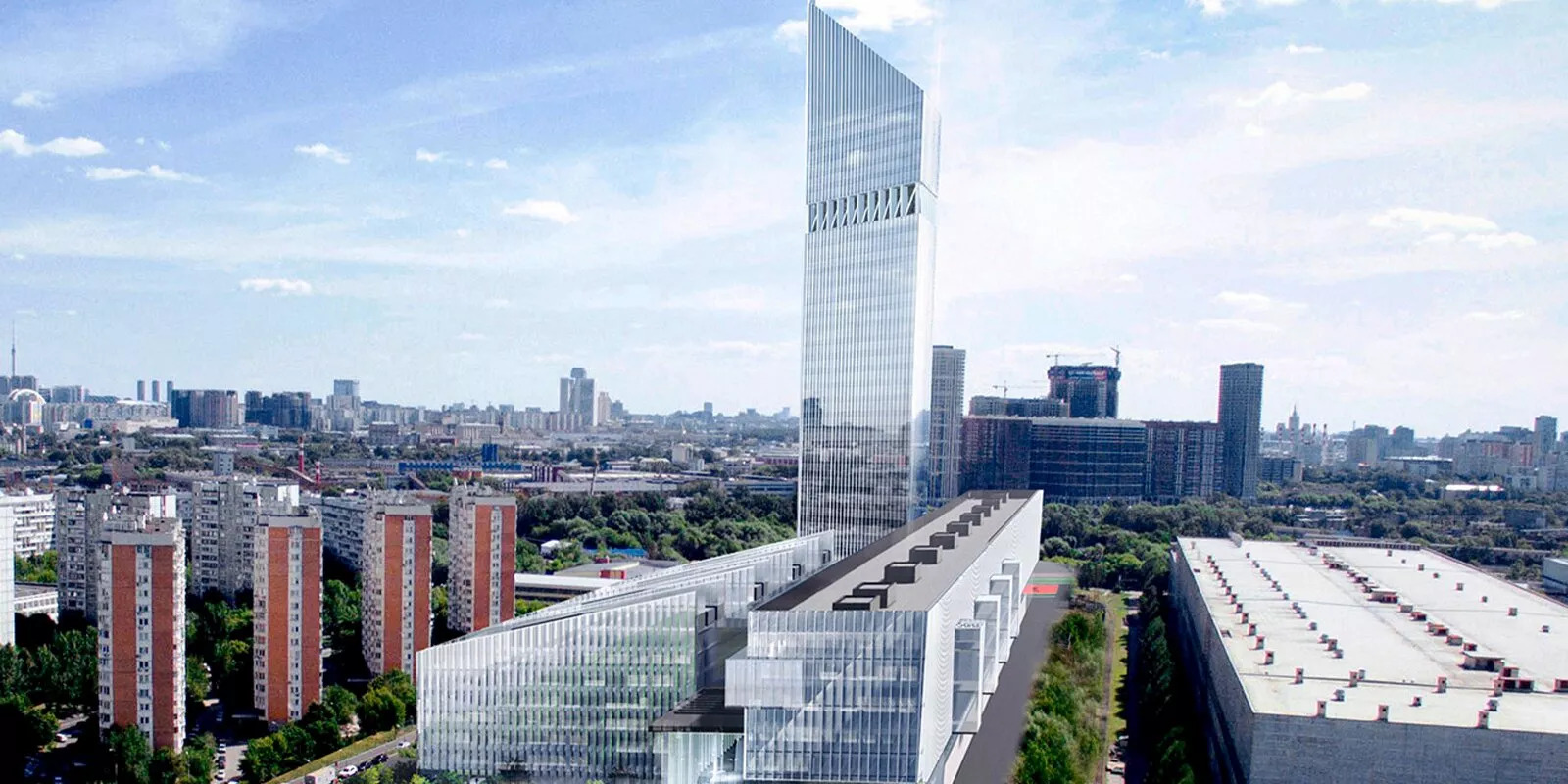
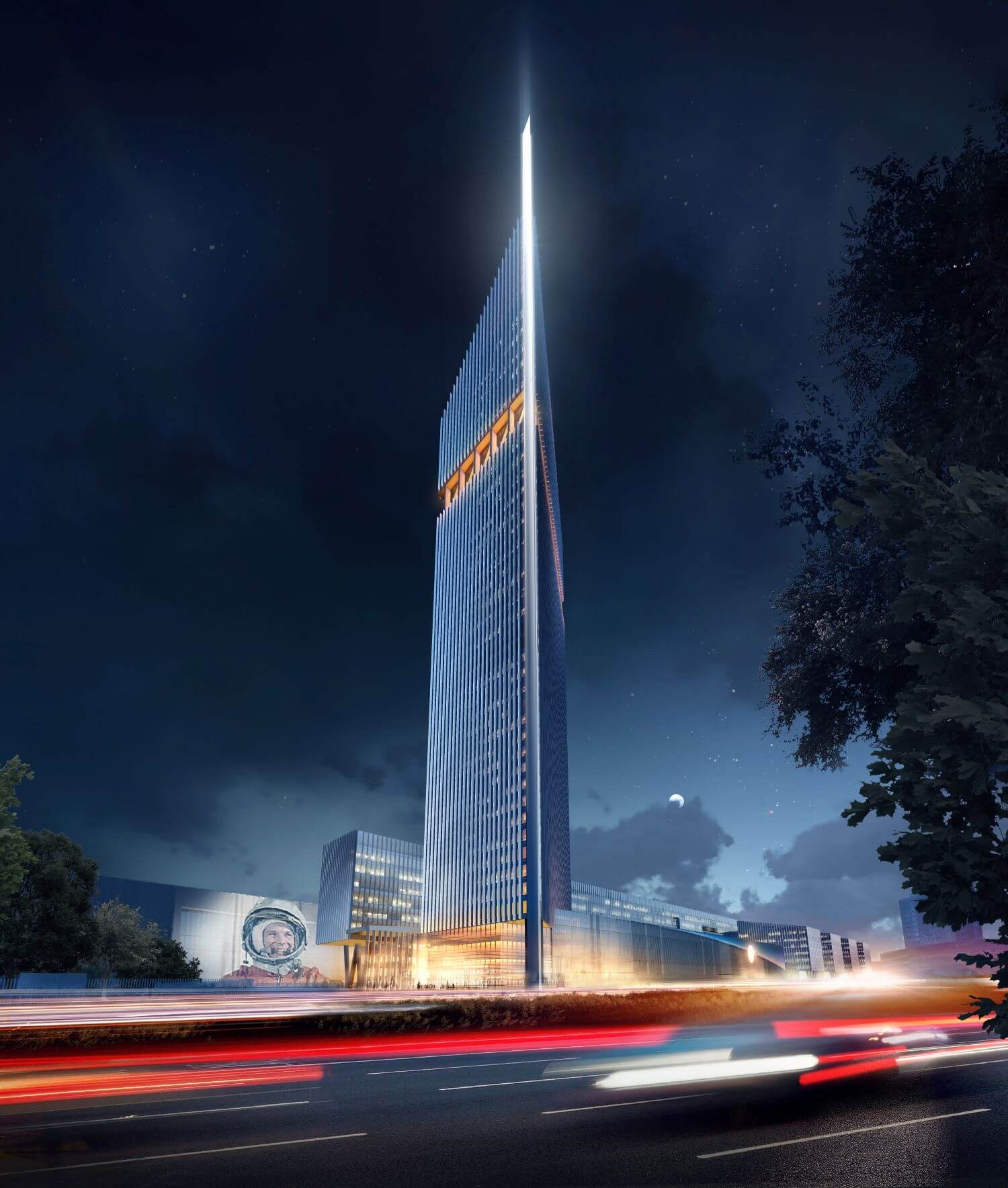
Façade works for the National Space Center are characterised by their scale and modularity. According to official data from the Moscow construction authority, the total façade area across the complex exceeds 140,000 m², of which approximately 110,000 m² consists of transparent glazed constructions. These are primarily realised through modular façade systems, enabling controlled fabrication, precise installation, and consistent performance across a very large envelope.
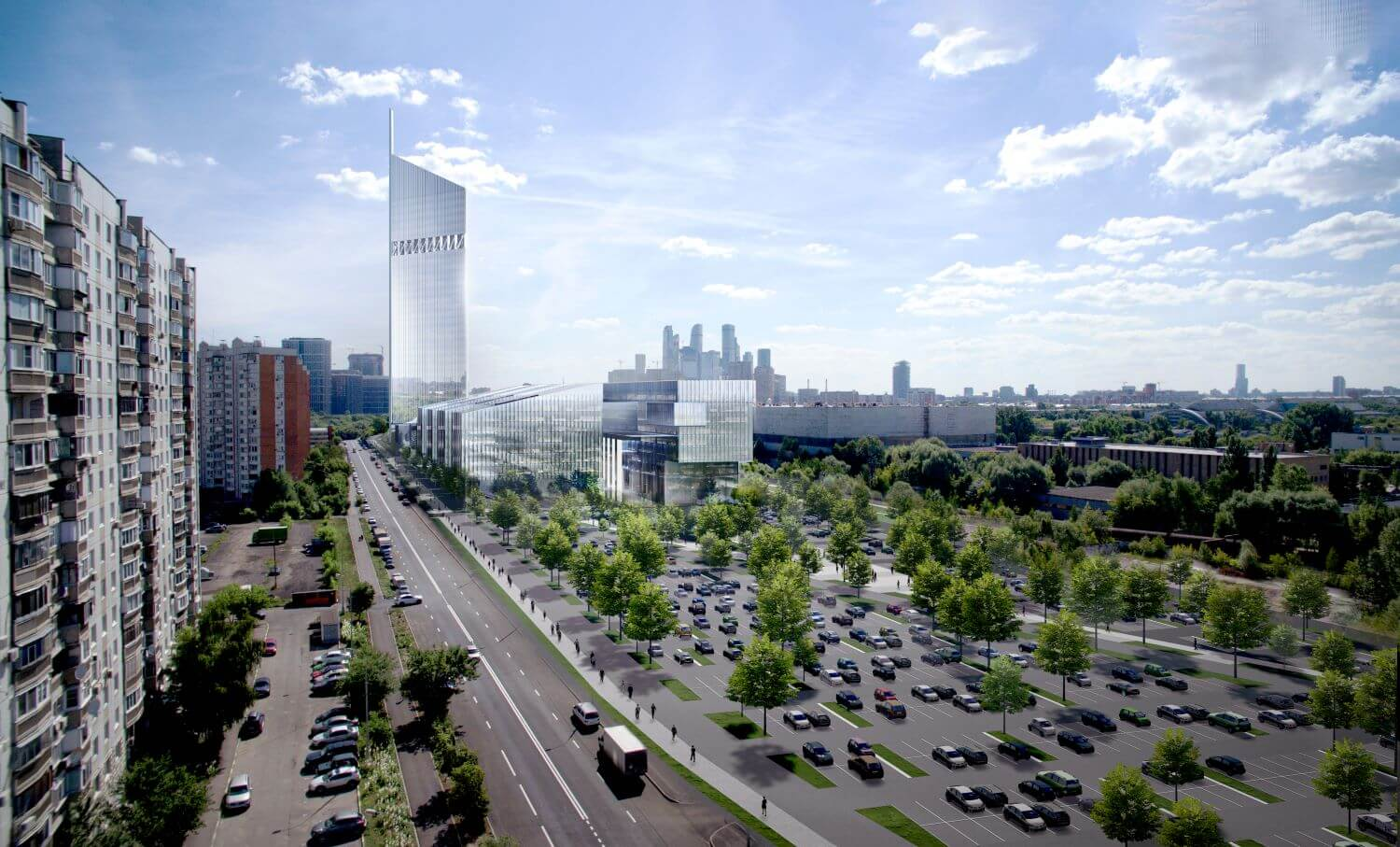
Progress reports published during construction indicate the installation of approximately 15,700 modular translucent façade elements, highlighting the industrial scale of the glazing operation. The façade strategy combines efficiency with architectural clarity, relying on repetition, prefabrication, and system-based assembly rather than bespoke, one-off solutions. 
A confirmed industry participant in the façade and glazing scope is Velko-2000 (ООО ПКП “ВЭЛКО-2000”), which publicly states its involvement in delivering approximately 135,000 m² of façade and glazing works for the National Space Center. According to the company’s project description, this scope includes modular façade systems, mullion-and-transom (stick) façades, ventilated façade elements, and transparent fire-resistant roof glazing structures.
Within the complex, different façade typologies are applied according to function. Official project descriptions reference structural glazing and mullion-and-transom systems in interior gallery zones, while the tower envelope itself is dominated by large-scale modular translucent façades.
While specific glass manufacturers, coatings, and IGU configurations have not been publicly disclosed, the National Space Center Tower stands as a clear reference for high-volume modular glazing and façade engineering in contemporary high-rise construction, demonstrating how systemised glass façades are deployed at scale for complex, technology-driven developments.
Source: Glass Balkan