For nearly twenty years, the empty site at Two World Trade Center stood as the unfinished edge of Lower Manhattan’s rebirth, redesigned, debated and delayed as developers searched for the one thing every supertower needs: commitment. Now, that moment has arrived. With American Express signing on to relocate its global headquarters, the final office tower of the World Trade Center masterplan is officially moving forward, transforming a long-vacant plot into one of the most significant commercial developments in New York City’s recent history.
Construction is scheduled to begin in spring 2026, with completion expected in 2031, closing a chapter that has defined post-9/11 rebuilding efforts for more than two decades. Developed by Silverstein Properties and designed by Foster + Partners, the new tower will rise 55 storeys, delivering nearly two million square feet of premium office space, enough to accommodate up to 10,000 employees in what will become a purpose-built corporate headquarters for American Express.
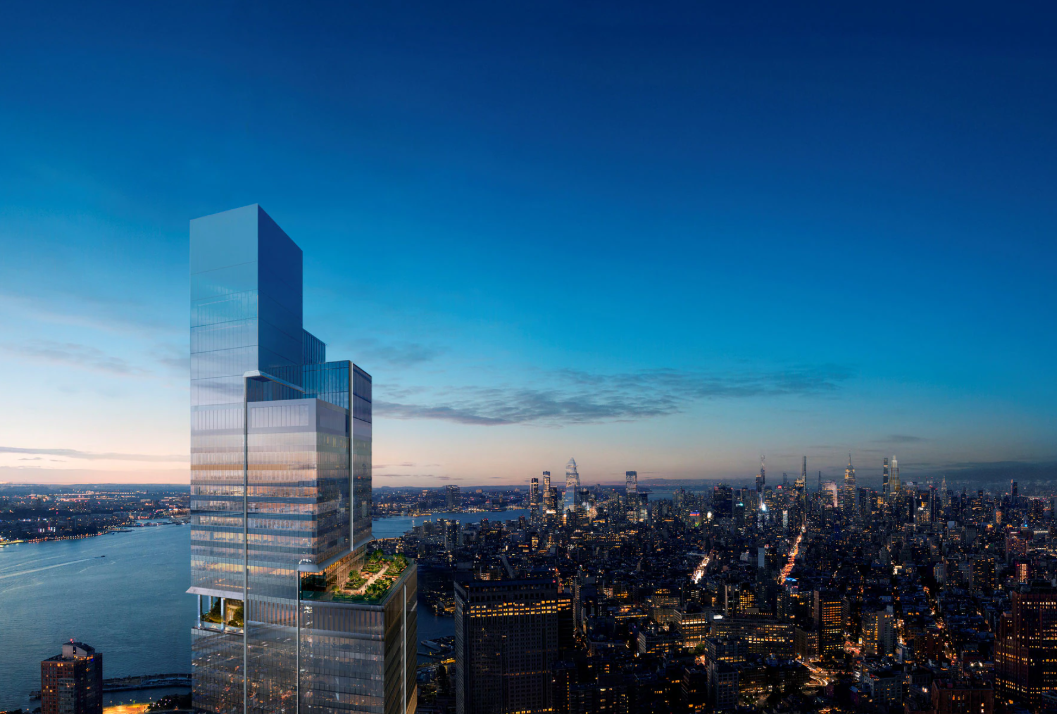
The road to this point has been anything but straightforward. The original 2006 concept envisioned a crystalline skyscraper designed by Foster + Partners, shaped with a diamond-like crown. Years later, as media companies were targeted as potential tenants, the design shifted dramatically to a stacked-box concept by Bjarke Ingels Group, a bold, terraced form intended to reflect the collaborative culture of creative firms. But as leasing plans shifted and major deals failed to materialise, the project returned to Foster’s vision, now refined to suit a single corporate occupant and a more unified architectural identity.
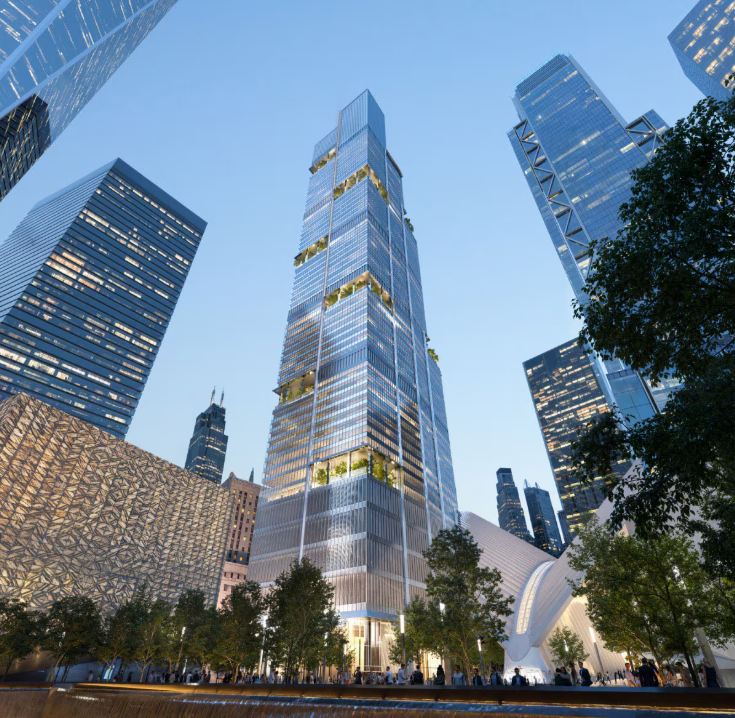
The confirmed design introduces a sleek glass façade with stepped setbacks and extensive outdoor terraces. More than an acre of landscaped exterior space is integrated into the tower, creating elevated gardens and open-air collaboration zones that respond to modern workplace expectations. Rather than a pure vertical slab, the building intentionally softens its massing, allowing light and views across the memorial site, the Hudson River and the evolving Lower Manhattan skyline. 
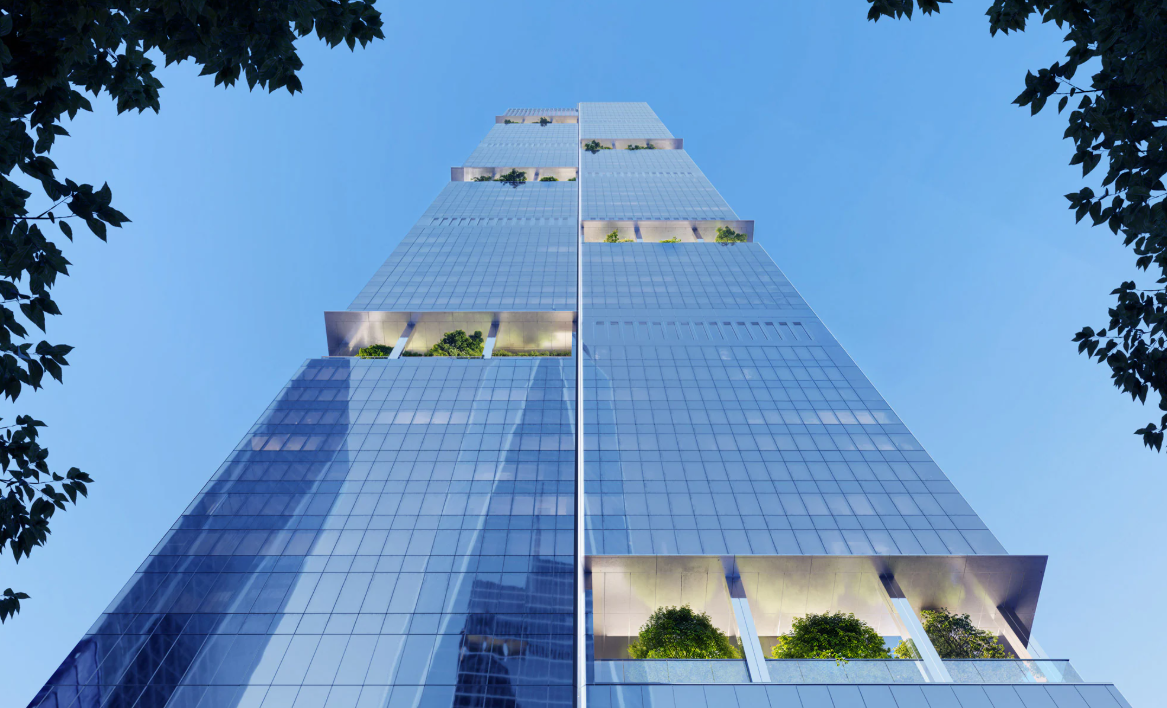
Technically, the building is positioned as a next-generation workplace. Fully electric systems, smart-building technologies and high-performance façades are planned, with the tower targeting LEED sustainability standards. These features align with the broader shift among global corporations toward highly efficient, health-conscious office environments that blend environmental performance with employee experience.
The economic impact is equally substantial. The project is expected to generate more than 3,200 construction-related jobs and inject billions into the New York economy during development. Importantly, it will proceed without city or state subsidies, a rare example of a privately driven mega-project moving ahead in an era when many office developments face uncertainty.
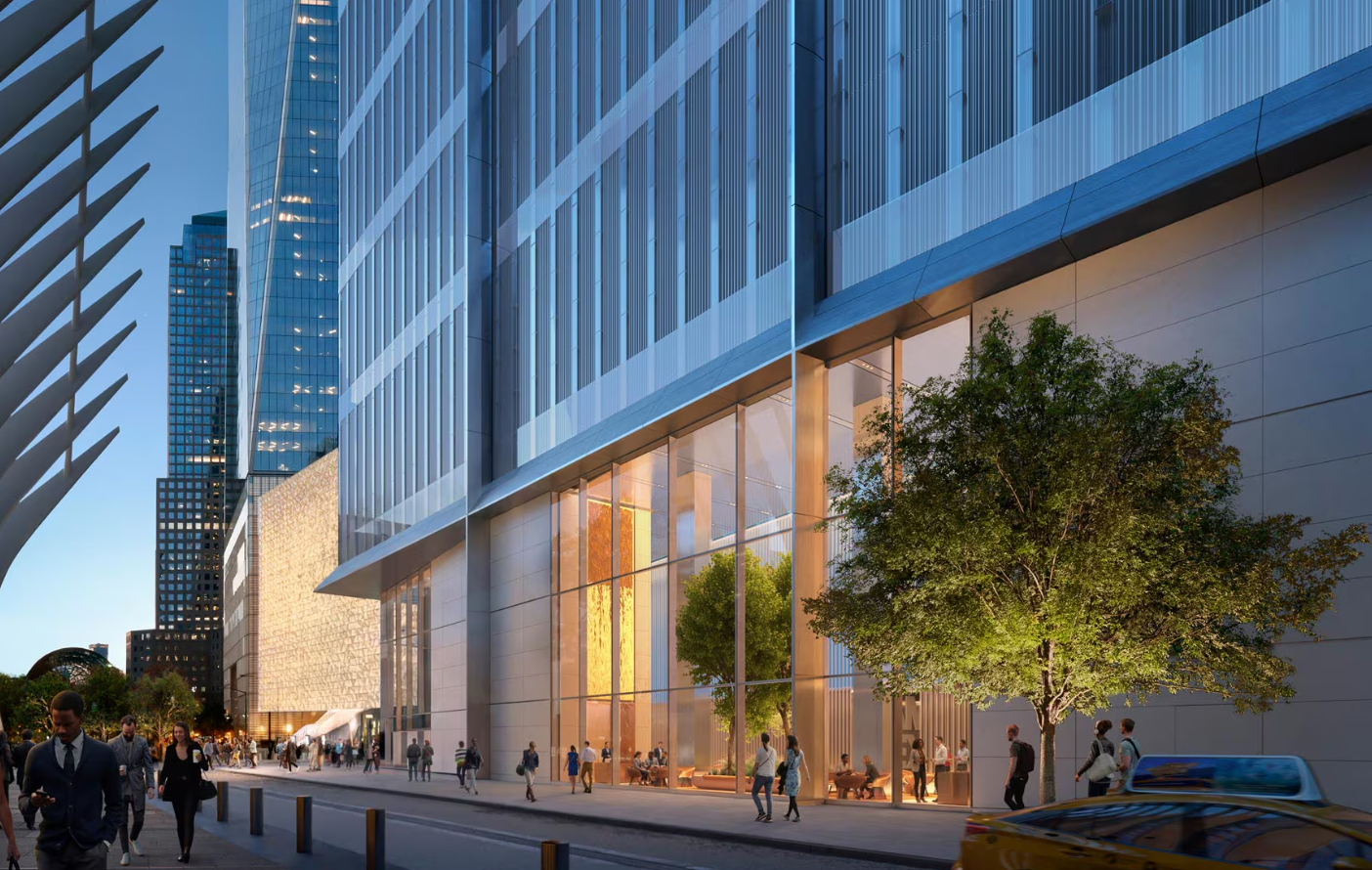
For developer Larry Silverstein, the launch of Two World Trade Center represents more than another skyscraper; it fulfils a long-promised vision of completing the rebuilt World Trade Center campus. And for New York City, the project signals something equally powerful: renewed confidence in Lower Manhattan as a global business destination.
Source: americanexpress.com with additional information added by Glass Balkan