Nippon Electric Glass (NEG) has announced a major breakthrough in pharmaceutical packaging manufacturing with the start of mass production of pharmaceutical glass tubing using an all-electric melting furnace at its subsidiary in Selangor, Malaysia. The project is described by the company as a world first and marks a decisive step toward carbon neutrality in the pharmaceutical glass sector.
Traditionally, glass melting relies on fossil-fuel combustion, a process associated with high CO₂ emissions and significant heat loss. NEG’s new production line replaces this approach with its proprietary NEG Electric Melting Technology (NEMT), in which electrodes are inserted directly into molten glass. The electric current heats and melts the glass internally, eliminating combustion gases and dramatically improving energy efficiency. When combined with renewable electricity, this system enables a reduction of CO₂ emissions of up to 90% compared to conventional melting methods.
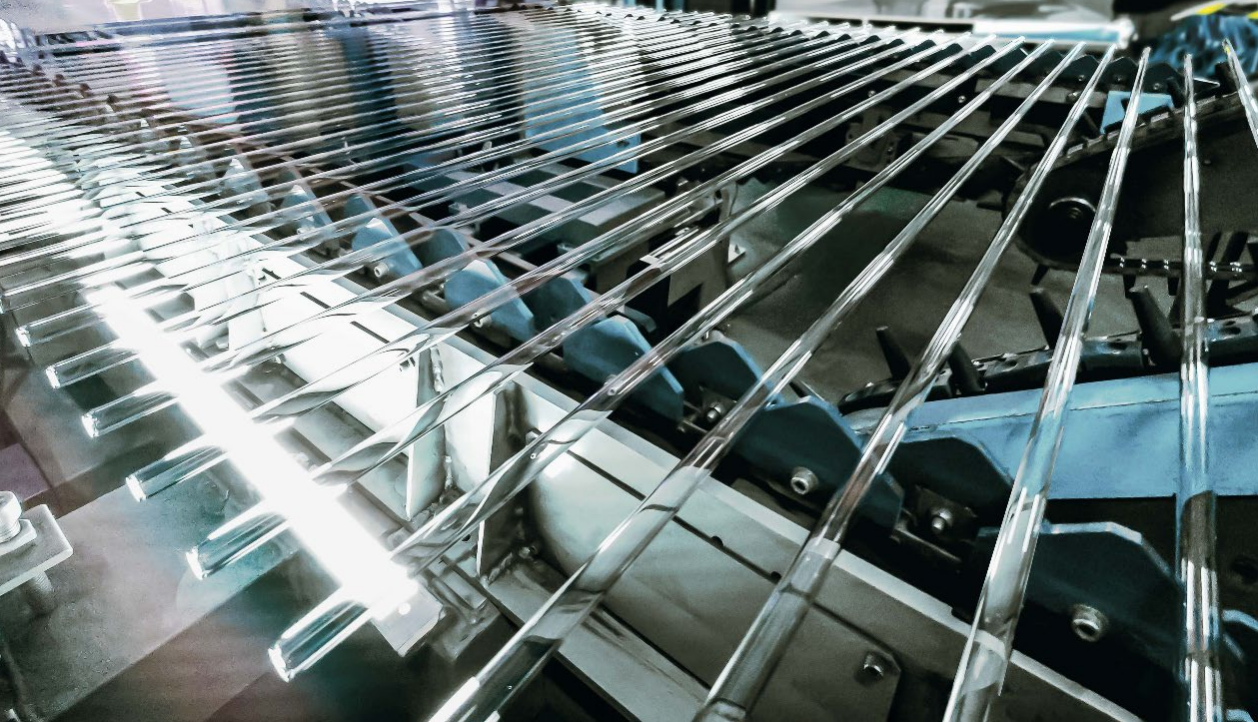
The Malaysian facility will focus on borosilicate pharmaceutical glass tubing, a material known for its high chemical durability and thermal resistance. Such tubing is essential for critical medical applications, including vials, ampoules, syringes, and cartridges, where product purity and stability are non-negotiable.
Demand for this type of packaging is accelerating rapidly, driven largely by the expansion of biopharmaceuticals, particularly GLP-1 formulations used in diabetes and weight-management treatments. The GLP-1 market is growing at an estimated 33% annually, pushing strong global demand for injectable delivery systems. While Europe and the United States remain key markets, growth is increasingly concentrated in emerging regions such as India and China. 
Commenting on the milestone, Masanori Wada, Vice President of NEG’s Consumer Glass Products Group, said the project demonstrates that high-grade pharmaceutical glass production and deep decarbonization can be achieved simultaneously. By establishing a scalable, low-carbon production model, NEG aims to meet tightening environmental expectations from pharmaceutical companies while securing long-term growth in high-value medical glass applications.
With this investment, NEG positions itself at the forefront of sustainable pharmaceutical glass manufacturing, setting a new benchmark for the industry as environmental performance becomes an increasingly critical factor in global supply chains.
Source: neg.co.jp with additional information added by Glass Balkan