In Japan’s evolving construction landscape, the shift toward larger architectural glazing is no longer a trend, it is a structural change. NBS’s new East Japan facility stands as a clear response to this reality, redefining how large-format glass can be produced efficiently, safely, and competitively.
Founded in 1987 as a glass delivery company, NBS has grown through a deliberate strategy of vertical integration. Over the decades, the company expanded from logistics into tempered and laminated glass production, ultimately becoming a fully integrated manufacturer. This experience shaped a core philosophy: total control of processes, people, and technology under one roof.
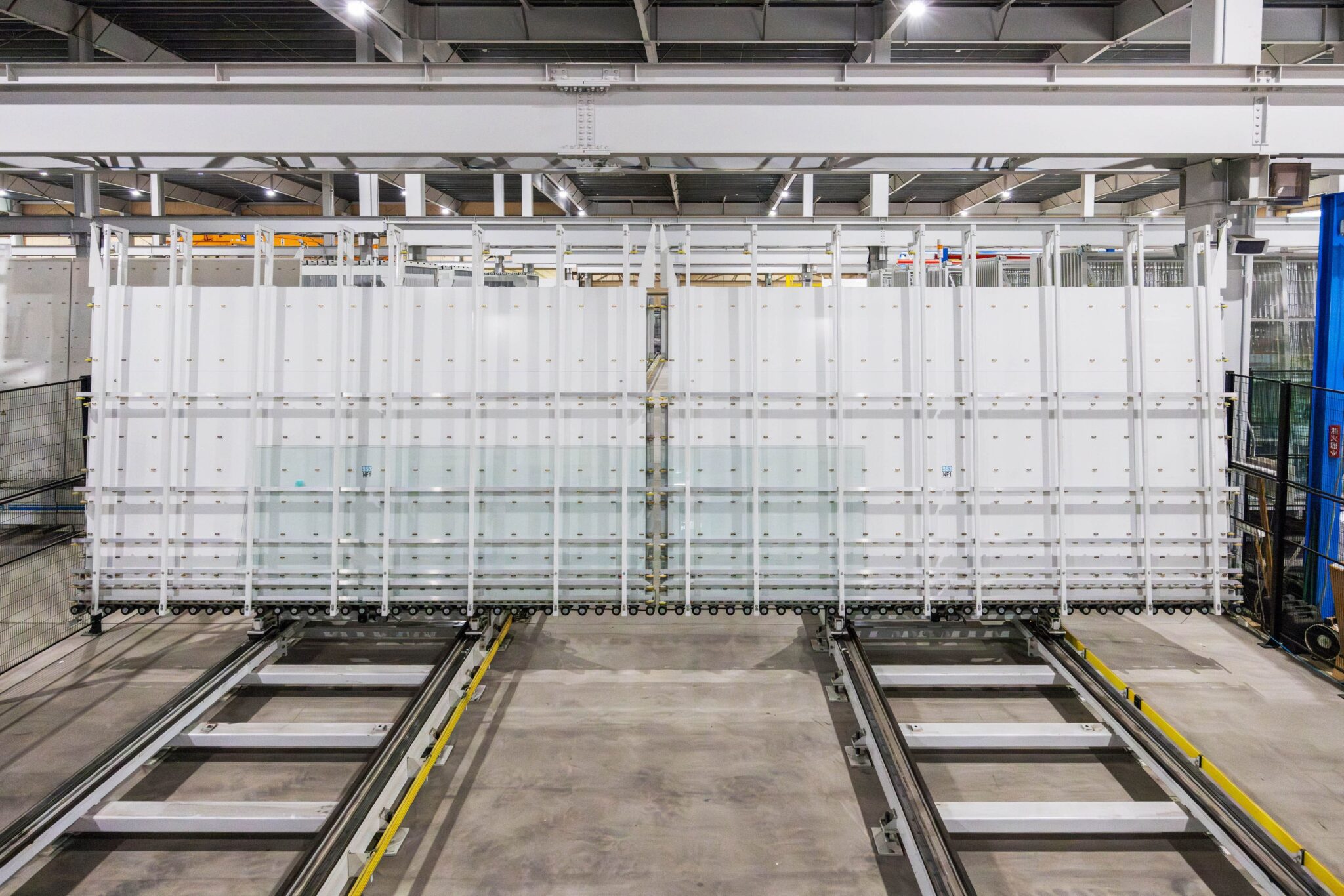
That philosophy guided the development of the East Japan plant. Rather than a simple capacity expansion, the facility was designed from the outset to manage jumbo glass sheets up to 3,300 × 9,000 mm, while maintaining flexibility for standard production. Market data and customer feedback confirmed the need, especially for large glazing at lower building levels, where transparency and structural performance are increasingly critical.
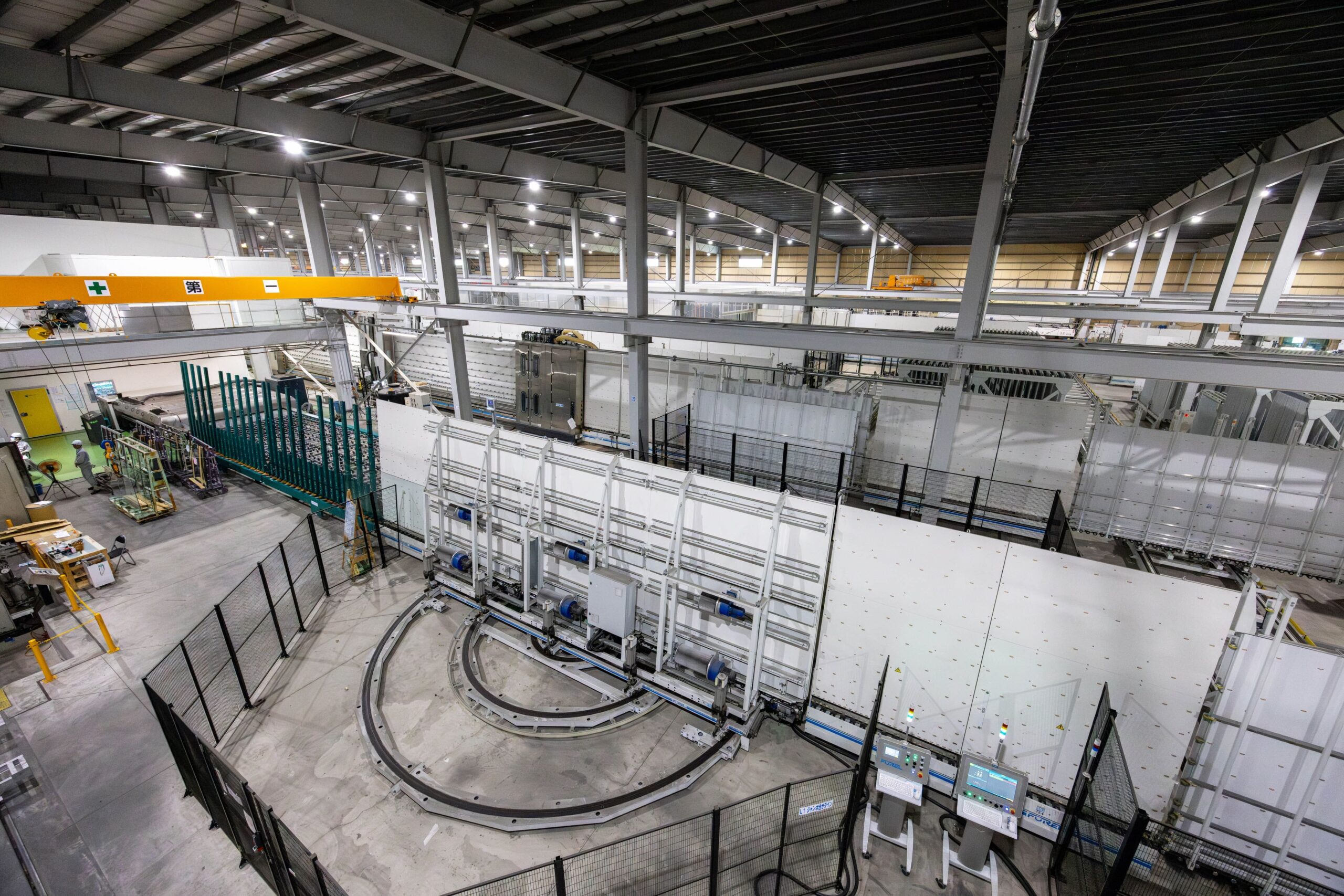
Automation became the project’s backbone. Central to the layout is Forel’s Sorting System, which connects grinding, insulating glass production, and downstream processes into a continuous, systemized flow. By minimizing manual handling and optimizing internal logistics, the plant achieves stable quality even with extreme glass dimensions. 
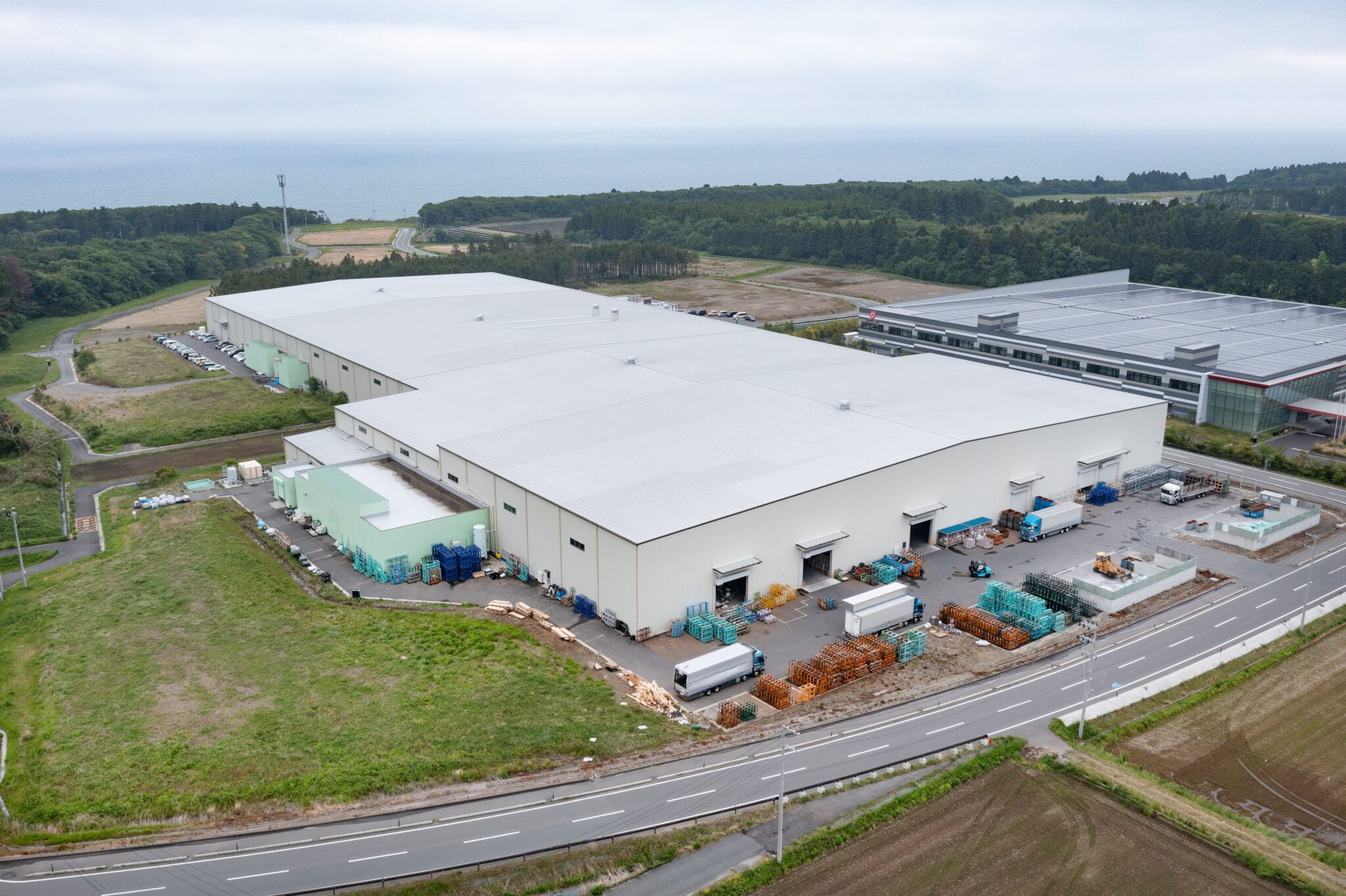
Forel supplied roughly 60% of the plant’s equipment, not because of a single standout machine, but due to its ability to deliver an integrated production ecosystem, from sorting and edge processing to insulating glass lines. For a factory operating at this scale, synchronized workflows are essential.
Automation at NBS is not about replacing people, but protecting them. Handling nine-meter glass manually is neither safe nor sustainable. With automation in place, operators focus on supervision, quality control, and process optimization.
Designed with IoT integration and long-term scalability in mind, the East Japan facility positions NBS as a national reference point for large-format architectural glass, built not just for today’s projects, but for the decades ahead.
Source: Forel with additional information added by Glass Balkan