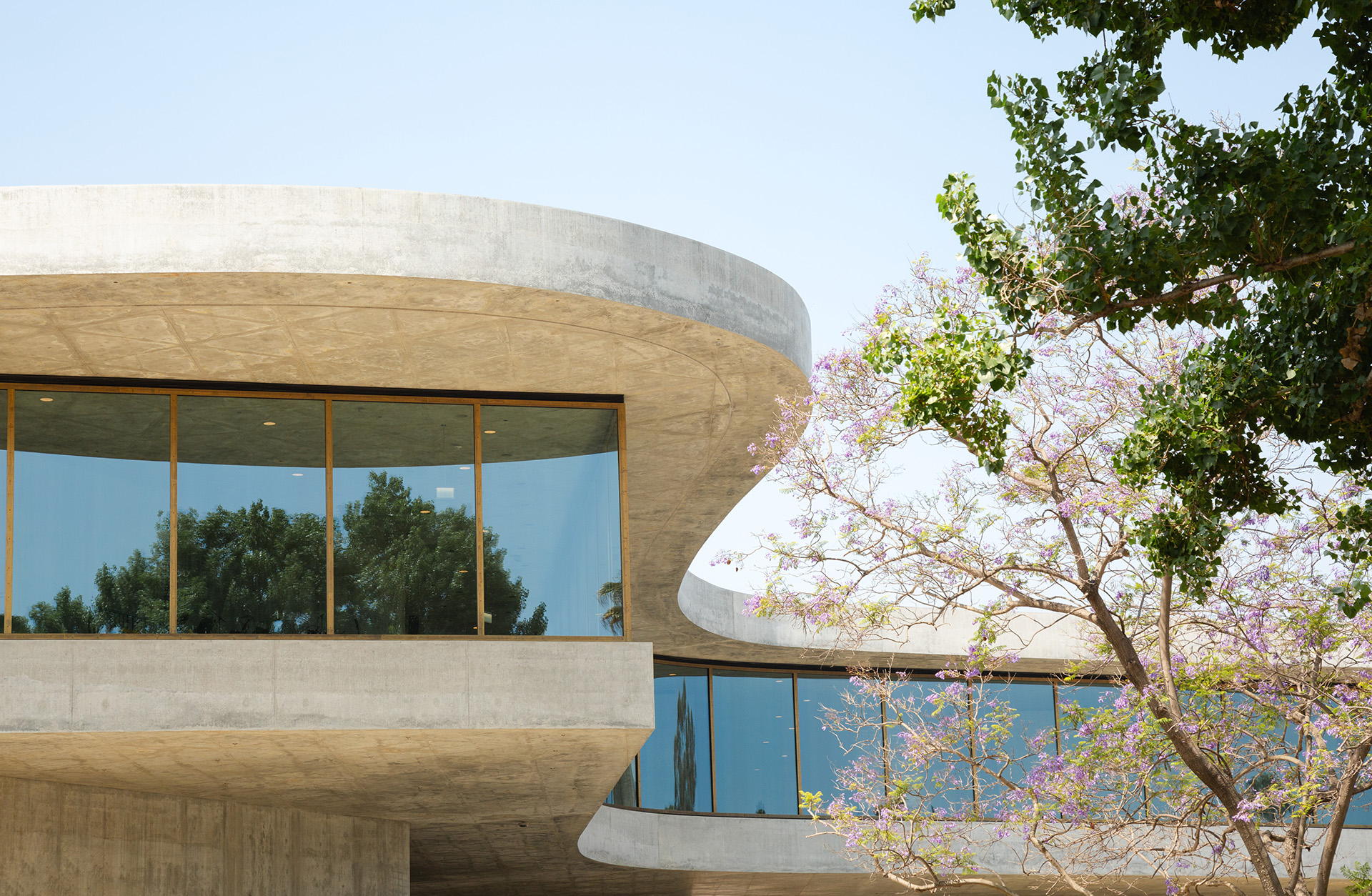
The new David Geffen Galleries at the Los Angeles County Museum of Art (LACMA) demonstrate how contemporary museum architecture is increasingly relying on complex façade engineering to achieve both architectural ambition and structural performance. Designed by Pritzker Prize-winning architect Peter Zumthor, the building features a 52,000-square-foot glass-and-brass façade engineered and delivered by German façade specialist seele.
The elevated structure spans across Wilshire Boulevard and is supported by seven reinforced concrete pavilions, creating a floating gallery volume above the city. The design required a highly engineered façade system capable of accommodating movement caused by seismic activity while maintaining strict performance requirements for a world-class museum environment.
According to project partners, the gallery level is enclosed by a custom mullion-and-transom curtain wall system consisting of a steel load-bearing substructure and large-format insulating glass units. Several glass panels exceed 26 feet in height, placing them among the largest façade elements used on the project. Due to the building’s irregular and organic floor plan, the envelope incorporates both flat and curved glazing, requiring precise digital modeling, fabrication, and installation coordination.
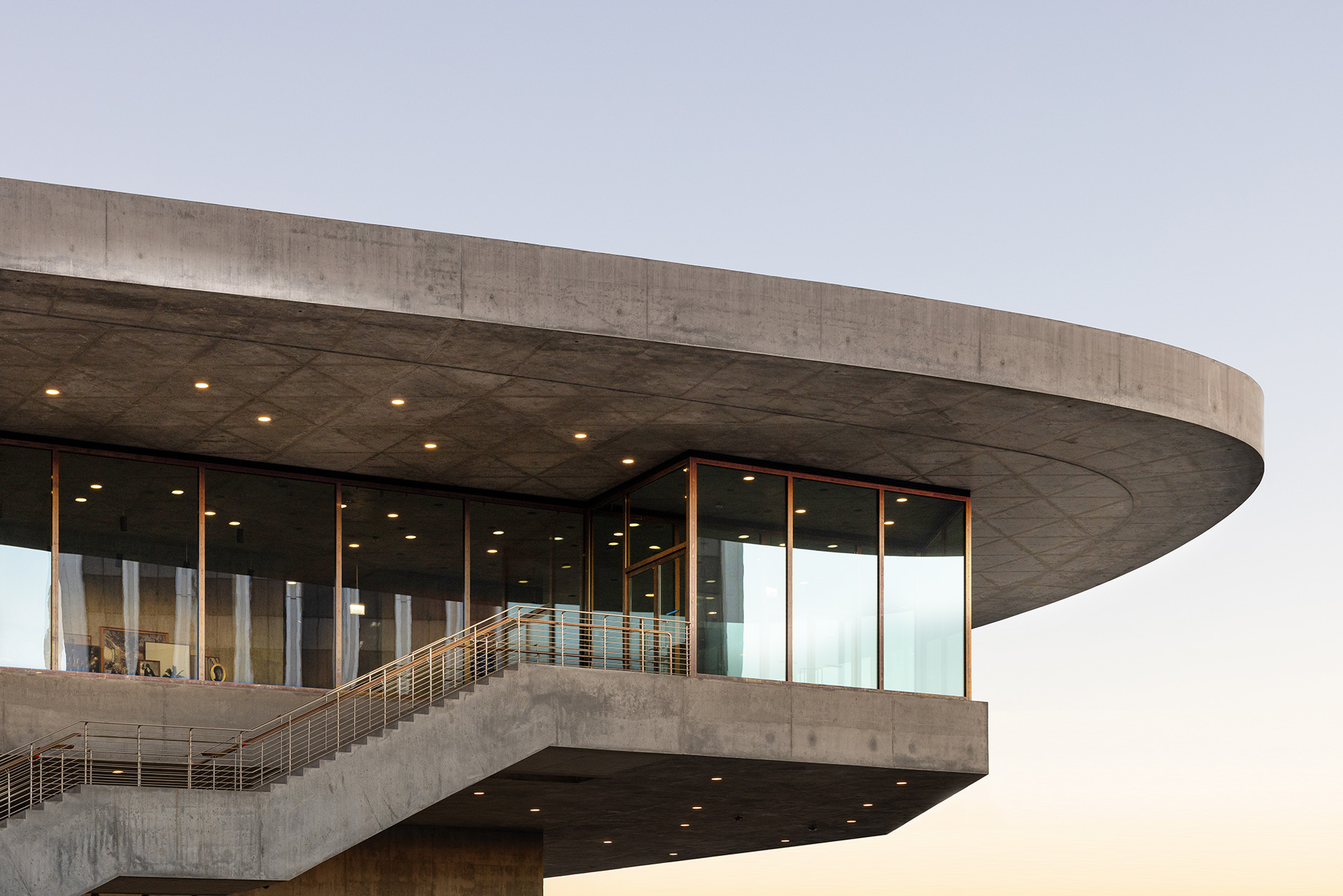
The glazing package includes low-emissivity coatings designed to minimize solar heat gain and reduce ultraviolet transmission, a critical requirement for protecting sensitive artwork and maintaining stable interior exhibition conditions. The expansive transparent façade also maximizes daylight and visual connectivity with the surrounding Los Angeles landscape while meeting stringent energy-performance targets. 
A defining technical feature of the façade is the use of custom extruded brass profiles that clad the primary load-bearing façade components. These solid brass elements measure up to approximately 0.6 inches thick and extend nearly 28 feet in length, matching the scale of the adjacent glass units. Beyond providing a distinctive visual identity, the brass cladding conceals structural elements while contributing to the building’s premium architectural finish.
By combining oversized insulating glass units, curved glazing technology, seismic-resistant engineering, and large-scale brass fabrication, the David Geffen Galleries stand as one of the most technically sophisticated museum façade projects completed in the United States in recent years.
Source: USGlassMag with additional information added by Glass Balkan