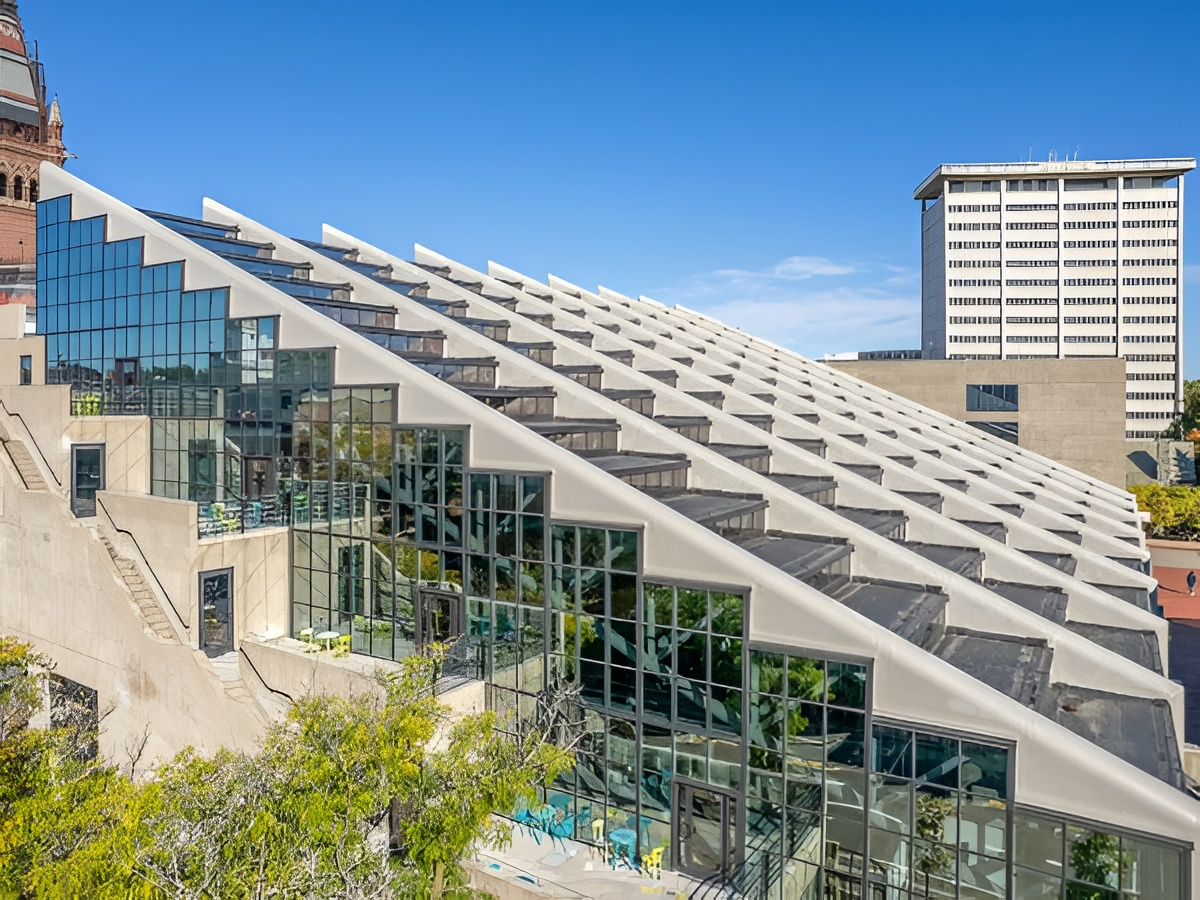
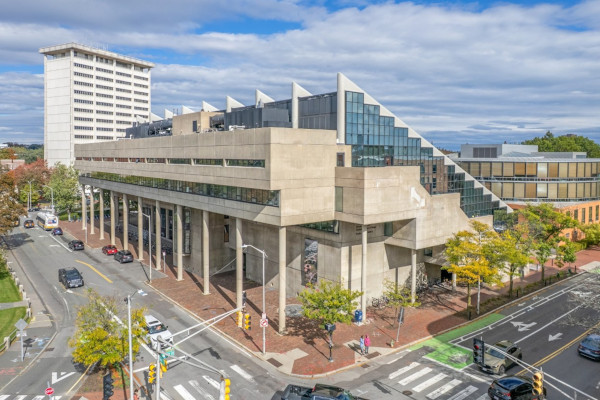
Harvard University’s Graduate School of Design has completed a significant façade modernization of Gund Hall, leveraging advanced glazing technologies from Vitro Architectural Glass to dramatically improve thermal performance, occupant comfort, and daylight quality while preserving the building’s iconic architectural identity. Originally designed in 1972, the concrete modernist landmark is known for its stepped studio terraces, expansive curtain walls, and clerestory glazing, but decades of operation exposed challenges related to air infiltration, water penetration, glare, and energy efficiency.
The renovation team, led by Bruner / Cott Architects in collaboration with Lam Partners, Simpson Gumpertz & Heger, Oldcastle BuildingEnvelope, A&A Window Products, and Shawmut Design & Construction, developed façade-specific glazing strategies tailored to the building’s varying solar exposures. Rather than applying a uniform solution, performance targets were established for each elevation, balancing visible light transmittance, solar heat gain control, and visual clarity.
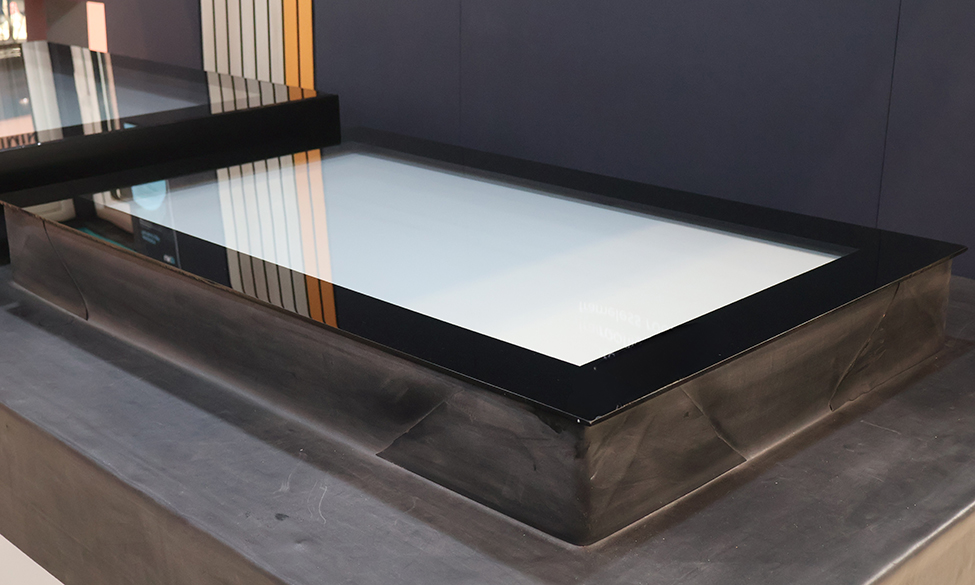
A cornerstone of the project was the implementation of Vitro’s VacuMax™ Vacuum Insulating Glass (VIG) on the north and south elevations. To meet Massachusetts stretch energy code requirements demanding a façade U-value of 0.25, the design team sought an alternative to bulky triple glazing that would have altered the building’s original appearance. The resulting hybrid VIG assembly delivered an overall system U-value of 0.19, while achieving an exceptional center-of-glass U-value of 0.06, approximately four times the thermal performance of conventional double glazing.
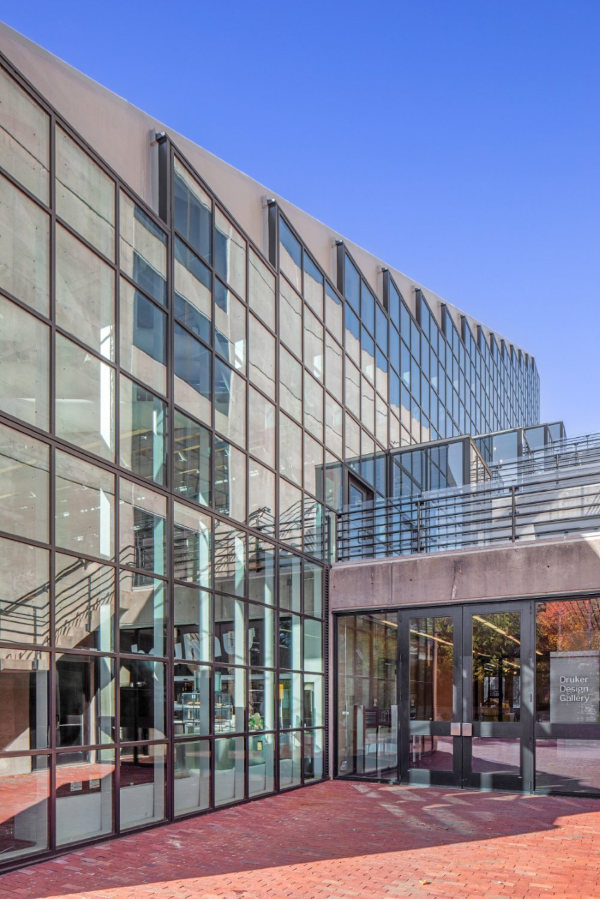
The south elevation incorporates Solarban® R100 glass, Solargray® glass, Acuity® low-iron glass, warm-edge spacers, and argon-filled insulating units to reduce glare while maintaining accurate color rendering and achieving an interior solar heat gain coefficient of 0.21. On the north and east façades, Solarban® 90 Acuity® glass was selected to replicate the clarity of the original plate glass while minimizing unwanted color shifts and reducing solar heat gain. 
Across 15,475 square feet of newly glazed area replacing 1,617 original units, the upgraded enclosure is projected to reduce building energy use intensity by 22.2% and utility costs by 19.1%, while significantly enhancing daylight autonomy and studio comfort throughout Gund Hall.
Source: Vitro Architectural Glass with additional information added by Glass Balkan