The long-standing partnership between HEGLA and FAKRO represents one of the most significant examples of how automation and intelligent material handling can transform glass processing operations. Through a shared commitment to innovation, efficiency, and continuous improvement, the two companies have implemented solutions that not only optimized FAKRO’s production processes but also influenced wider industry practices across Poland.
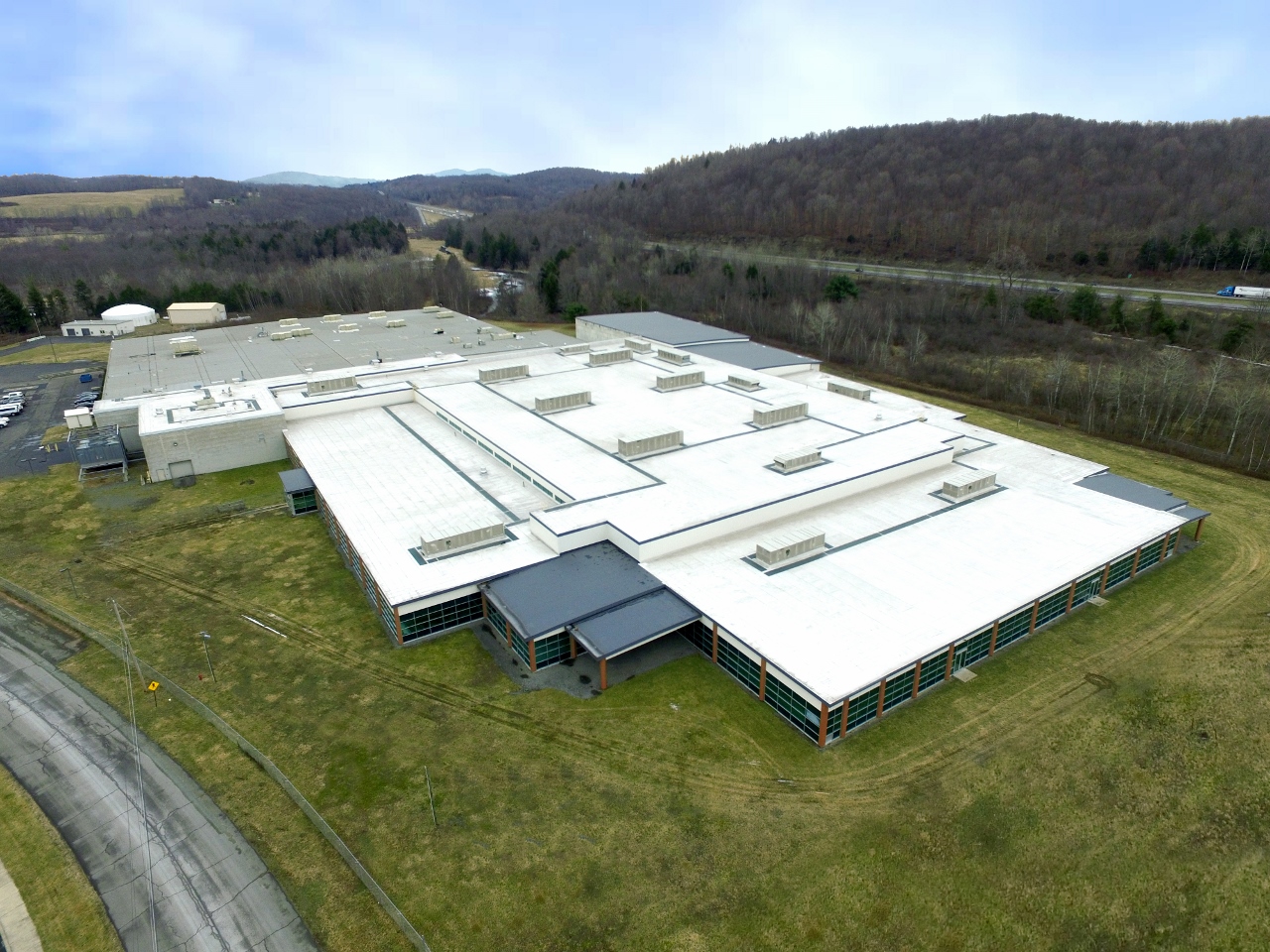
Founded in 1991 in Nowy Sącz, FAKRO has grown from a regional manufacturer into the world’s second-largest producer of roof windows. Today, the company operates 12 production plants and 17 distribution companies, employing nearly 4,000 people worldwide. Its products are available in more than 70 countries, with exports accounting for approximately 70% of total sales. Over the years, FAKRO has expanded its portfolio beyond roof windows to include flat roof glazing, attic ladders, external and internal accessories, as well as the INNOVIEW range of large-format wood-aluminium façade windows and sliding doors.
As demand increased and product complexity grew, FAKRO recognized the need for a highly automated glass processing infrastructure capable of supporting future expansion. In 2012, the company partnered with HEGLA to develop one of the most advanced glass logistics and cutting installations in Poland at the time.
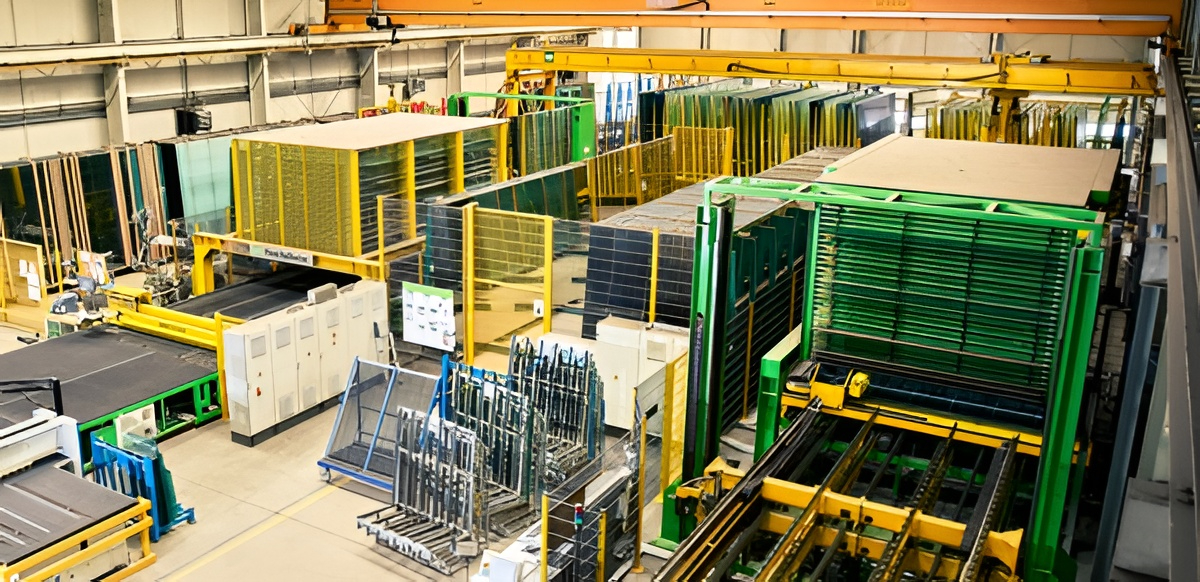
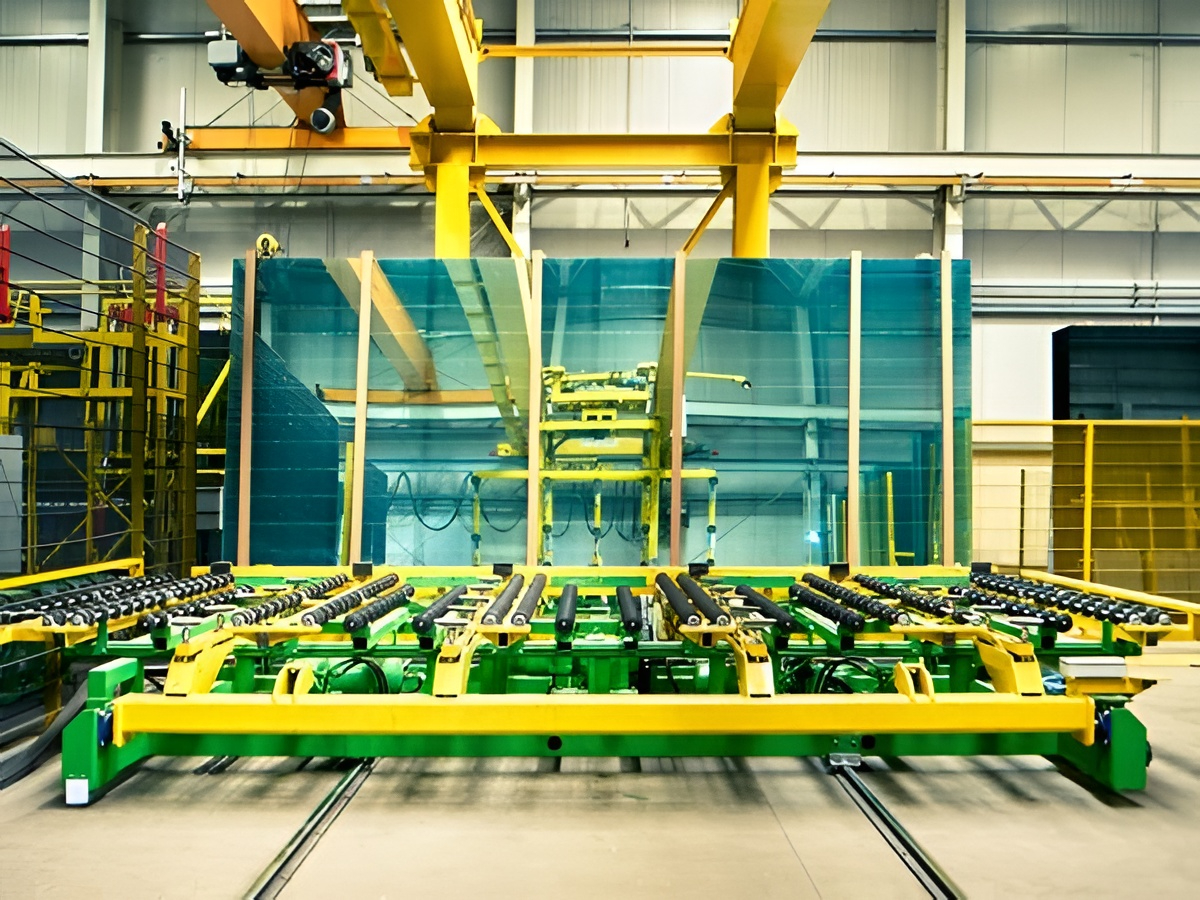
A key element of the project was the implementation of an automated portal storage system designed to ensure uninterrupted production. The installation featured dedicated storage zones and carefully engineered safety areas, allowing glass deliveries and production activities to take place simultaneously. This significantly reduced bottlenecks, minimized machine downtime, and improved overall material flow throughout the facility. 
Another groundbreaking solution was the introduction of HEGLA’s ReMaster residual glass management system. Installed directly above the cutting line, the automated storage system enabled efficient handling, identification, and retrieval of offcuts. By digitizing inventory management and eliminating manual transportation of residual sheets, FAKRO significantly increased material utilization while reducing waste and storage requirements. At a time when most manufacturers still relied on manual residual glass handling, the installation represented a major technological leap. Today, nearly 40 ReMaster systems are operating across Poland, highlighting the lasting influence of the project.
The facility also incorporated a direct link between glass cutting and edging operations, reducing internal transport distances and improving process efficiency. While automation technology has advanced considerably since then, this integration was highly innovative for its time and laid the foundation for more connected production environments.
Source: HEGLA with additional information added by Glass Balkan