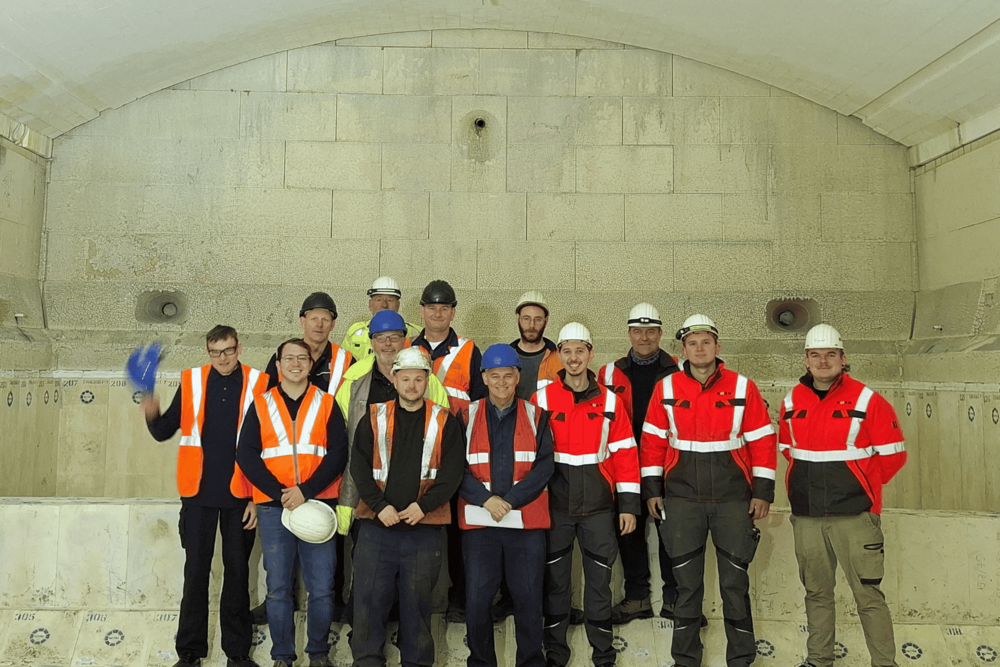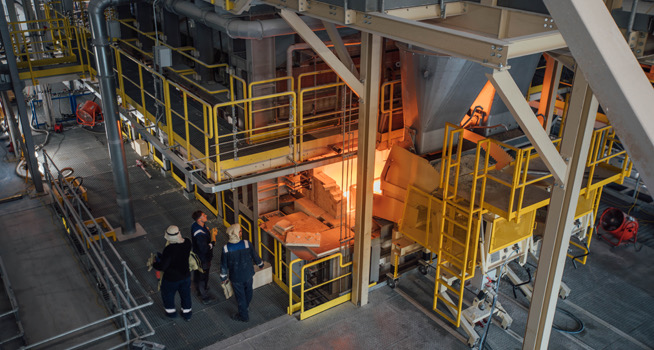
Glass Futures has reached a decisive milestone in its mission to accelerate decarbonisation across energy-intensive industries, following the successful completion of its first alternative-fuel trial programmes. The trials, carried out on the organisation’s 30-tonnes-per-day pilot line, demonstrated the industrial-scale viability of multiple low-carbon pathways, including biofuels, electric melting and hydrogen firing, opening a new chapter for sustainable glass production.
The achievement comes almost seven years after Glass Futures secured its initial Industrial Fuel Switching funding from the UK’s Department for Energy Security & Net Zero. Since then, the organisation has evolved into a key innovation platform for the glass sector, bringing together manufacturers, suppliers and technology partners to test solutions under real manufacturing conditions.
Beginning in October 2025, the latest campaign involved a series of complex, multi-pathway trials designed to explore alternative energy strategies capable of reducing reliance on fossil fuels. Among the most significant successes was the installation and commissioning of a bespoke biofuel delivery system integrated directly into the site’s digital control infrastructure. This system enabled sustained furnace firing using four novel, low-cost waste-derived biofuels over several consecutive days.
Alongside biofuel testing, the technical team, supported by F.I.C. (UK), developed and trialled a custom electric-boost (e-boost) system. The programme evaluated a wide range of operating conditions, including rapid switching scenarios, demonstrating how glass furnaces could potentially support demand-side response strategies within local electricity networks. 
Another major breakthrough was the commissioning of a hydrogen fuel delivery system capable of firing blends ranging from natural gas mixtures up to 100 percent hydrogen. This innovation positioned the facility as the world’s first multi-fuel hybrid pilot-scale glass furnace, attracting strong attention from industry members, policy stakeholders and the wider foundation industries.
Speaking on the milestone, CEO Justin Kelly described the results as a critical step toward achieving net-zero targets, highlighting the resilience, innovation and collaboration involved in delivering the programme. Industry partners such as Encirc also emphasised the importance of joint innovation, noting that collaborative trials are key to identifying realistic alternatives to fossil fuels.
With the completion of this first campaign, Glass Futures is already progressing into new phases of research focused on raw material innovation, process optimisation and product development for both flat and packaging glass. The technical teams are now analysing data to evaluate the readiness of each energy pathway and its implications for wider decarbonisation policy.
Source: Glass Futures with additional information added by Glass Balkan