Glass for Europe has urged EU policymakers to strengthen support for locally produced automotive glazing through upcoming automotive legislation, warning that Europe’s automotive glass industry is facing growing pressure from rising production costs and increasing import competition.
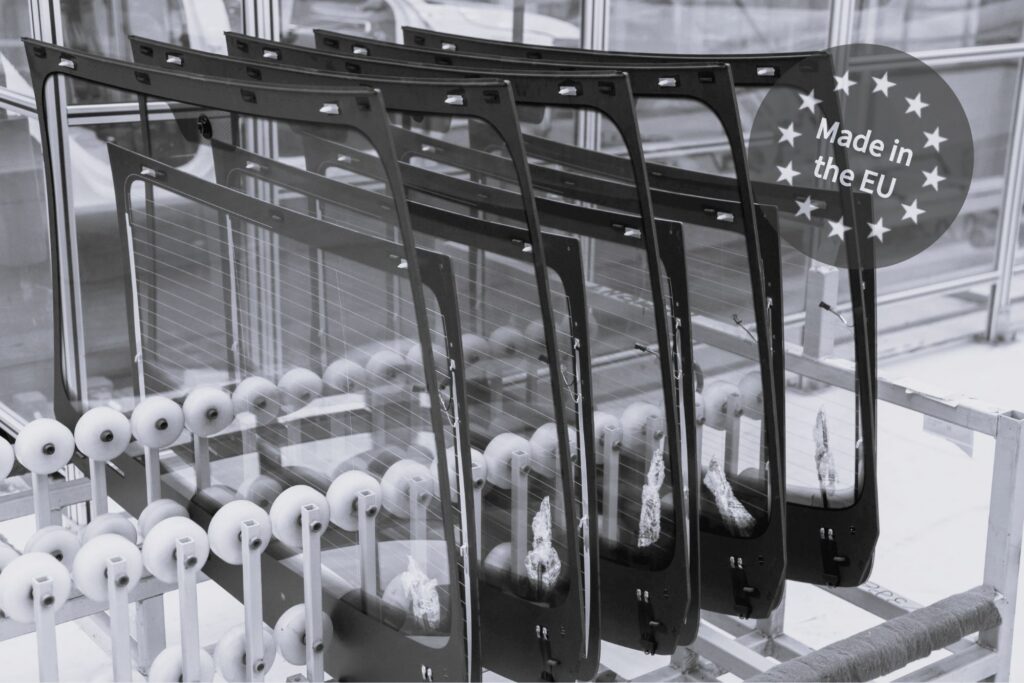
In a newly published position paper, the organisation highlights the strategic importance of automotive glazing for Europe’s industrial resilience, vehicle innovation and circular economy ambitions. Automotive glass plays a critical role in vehicle safety, driver visibility and passenger protection, while also enabling advanced technologies such as Advanced Driver-Assistance Systems (ADAS), automated driving functions, integrated sensors and displays.
Glass for Europe also stressed that advanced glazing contributes to vehicle energy efficiency and supports circularity, as automotive glass can be fully recycled when correctly dismantled and sorted at end-of-life.
Despite its importance, the European automotive glazing sector is under strain due to high energy prices, carbon costs and manufacturing expenses, combined with growing competition from imports originating from countries with less stringent climate obligations. According to the organisation, these pressures risk weakening Europe’s automotive value chain and undermining local industrial capacity. 
To address these challenges, Glass for Europe is calling for incentives favouring EU-made automotive glazing within several major legislative initiatives currently under discussion, including the Clean Corporate Vehicles Regulation, the Regulation on CO2 emission performance standards for light-duty vehicles and the Industrial Accelerator Act.
Among its proposals, the organisation advocates linking public procurement and state support schemes to vehicles manufactured in the EU and introducing clearer “made in the EU” criteria that include specific Union origin requirements for critical glazing products such as windscreens, side windows and glass canopies.
Glass for Europe also wants EU-made low-carbon glazing to be recognised as a contributor to vehicle decarbonisation efforts under future CO2 emissions rules. The association argues that locally produced automotive glass can help reduce vehicles’ embodied carbon emissions while supporting Europe’s climate and industrial objectives simultaneously.
In addition, the paper proposes that third countries should only qualify under Union origin rules if they apply carbon pricing systems and environmental obligations comparable to those of the EU, particularly for energy-intensive industrial processes such as glass melting.
Source: Glass for Europe with additional information added by Glass Balkan