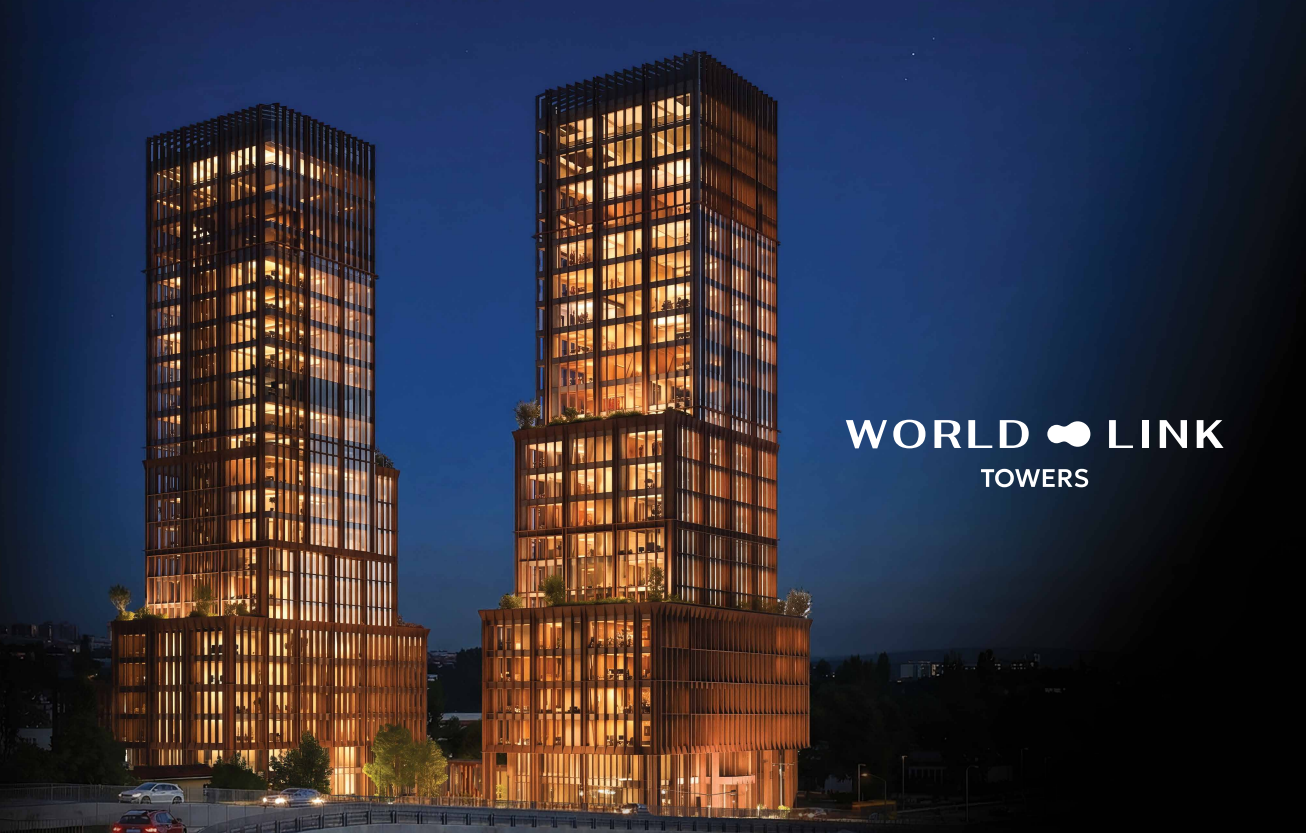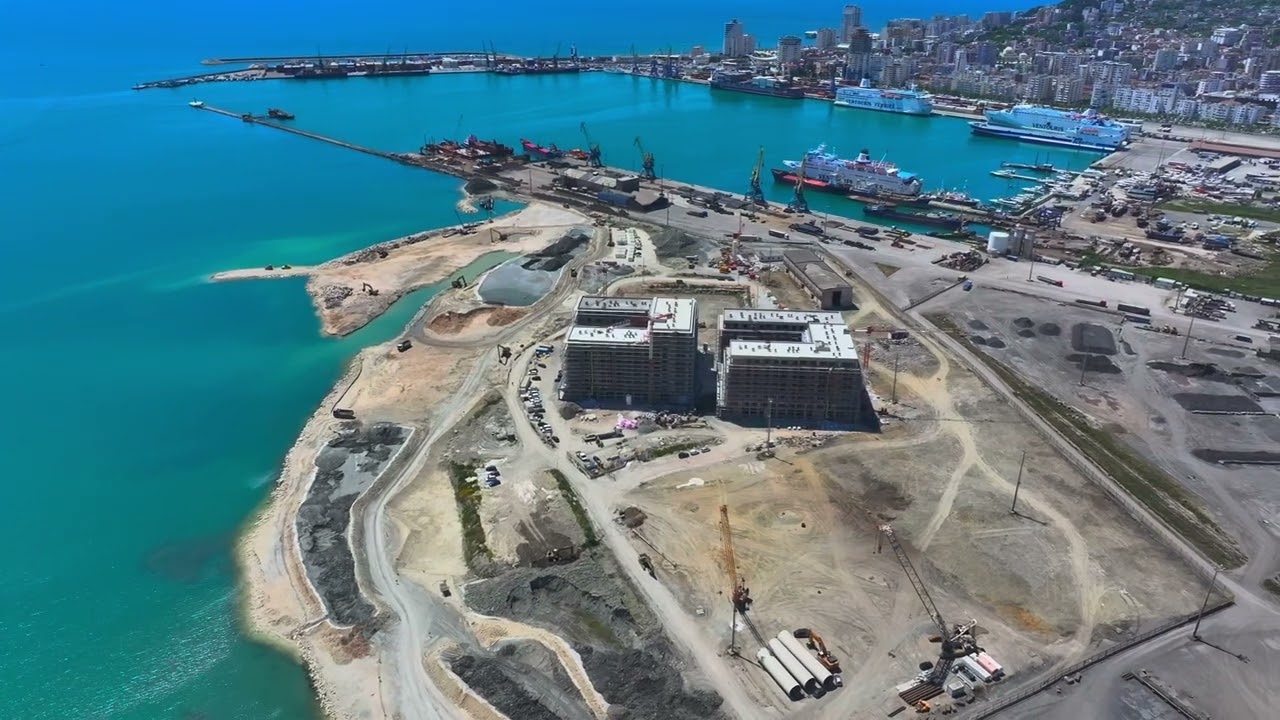
Large coastal developments like Durrës Yachts & Marina depend far more on engineering preparation than on architectural ambition. Recent reports about settlement and structural movement in early buildings of the project highlight a key issue in modern construction: the importance of thorough technical verification before and during execution.
In coastal areas such as Durrës, the ground is typically composed of soft alluvial soils, sand layers, and high groundwater levels. These conditions are unstable compared to rock or dense soil, meaning they compress over time under heavy loads. For this reason, any large-scale development must begin with detailed geotechnical investigations, including boreholes, soil sampling, load-bearing tests, and long-term settlement modeling. These studies define how the ground will behave under thousands of tons of structural load.
Once the soil is understood, engineers design foundations, often using deep piles or pile-raft systems, to transfer loads to more stable layers. However, these designs are based on assumptions that must be verified on site. If soil conditions vary more than expected, or if construction methods deviate from design, differential settlement can occur, where parts of a building sink unevenly. Even small differences can lead to cracks, structural stress, and long-term maintenance issues.
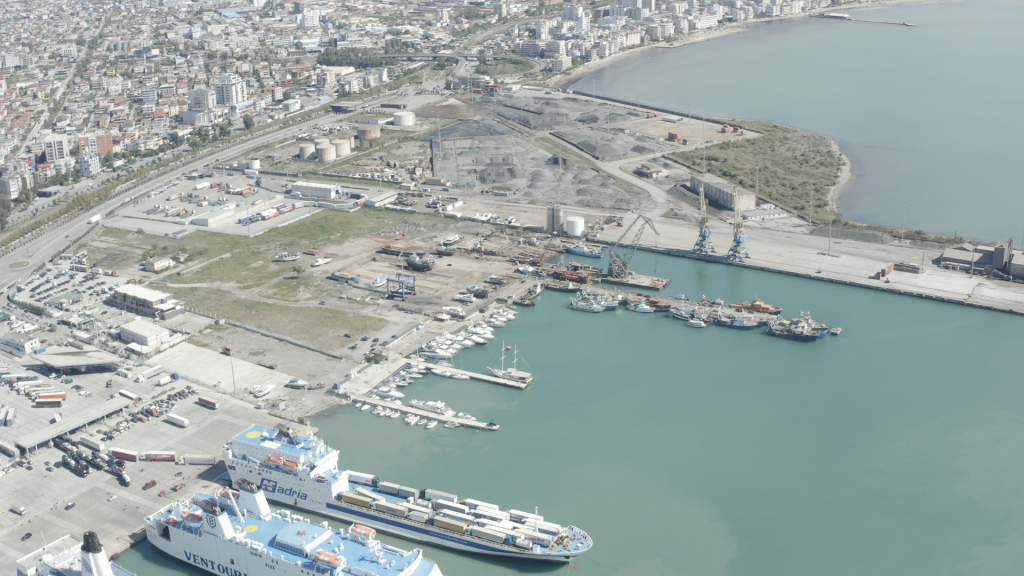
This is why independent technical verification is essential. Best practice in large projects involves multiple layers of oversight: the design consultant, independent peer reviewers, site supervision engineers, and regulatory bodies. Each layer serves to confirm that assumptions are correct, construction quality matches design, and risks are controlled. Without this system of checks, errors can go unnoticed until physical movement appears in the structure. 
Equally important is continuous monitoring during construction. Modern projects use settlement markers, inclinometers, and structural sensors to track movement in real time. These tools help engineers detect early warning signs and adjust construction methods if needed.
The Durrës Marina case illustrates a broader principle: engineering safety is built long before concrete is poured. Early verification is always cheaper and safer than later correction. Once buildings rise, fixing foundation issues becomes complex, expensive, and sometimes only partially effective.
Ultimately, megaprojects are not only about investment and design, they are about discipline in engineering process. When geotechnical studies, verification systems, and construction controls are strong, ambitious developments can succeed safely. When they are weak or inconsistent, even the most advanced projects can face structural uncertainty.
Source: Glass Balkan