AGC Glass Europe, in partnership with recycling specialist Reiling, has achieved a major technical breakthrough in automotive glass circularity by successfully enabling industrial-scale flat-to-flat recycling of assembled windshields. This development significantly expands AGC’s existing AGC Recycle Glass system, which has traditionally focused on pre-consumer and post-consumer flat glass from architectural streams, into the far more complex automotive segment.
The key innovation lies in the treatment of laminated windshield waste, which is structurally complex due to its multi-layer composition. Automotive windshields consist of two glass sheets bonded with a polyvinyl butyral (PVB) interlayer, often combined with additional coatings, ceramic frits, embedded heating wires, sensors, and metallic or electronic components. These contaminants have historically limited the reuse of windshield-derived cullet in high-grade float glass production.
Through joint development between AGC’s R&D teams and Reiling’s specialized recycling facilities, a dedicated processing protocol has been established. The system mechanically and thermally separates glass from non-glass fractions, followed by advanced cleaning and sorting stages that remove residual PVB, plastics, metals, and electronic debris. The resulting cullet achieves a purity level suitable for direct reintroduction into float furnace operations.
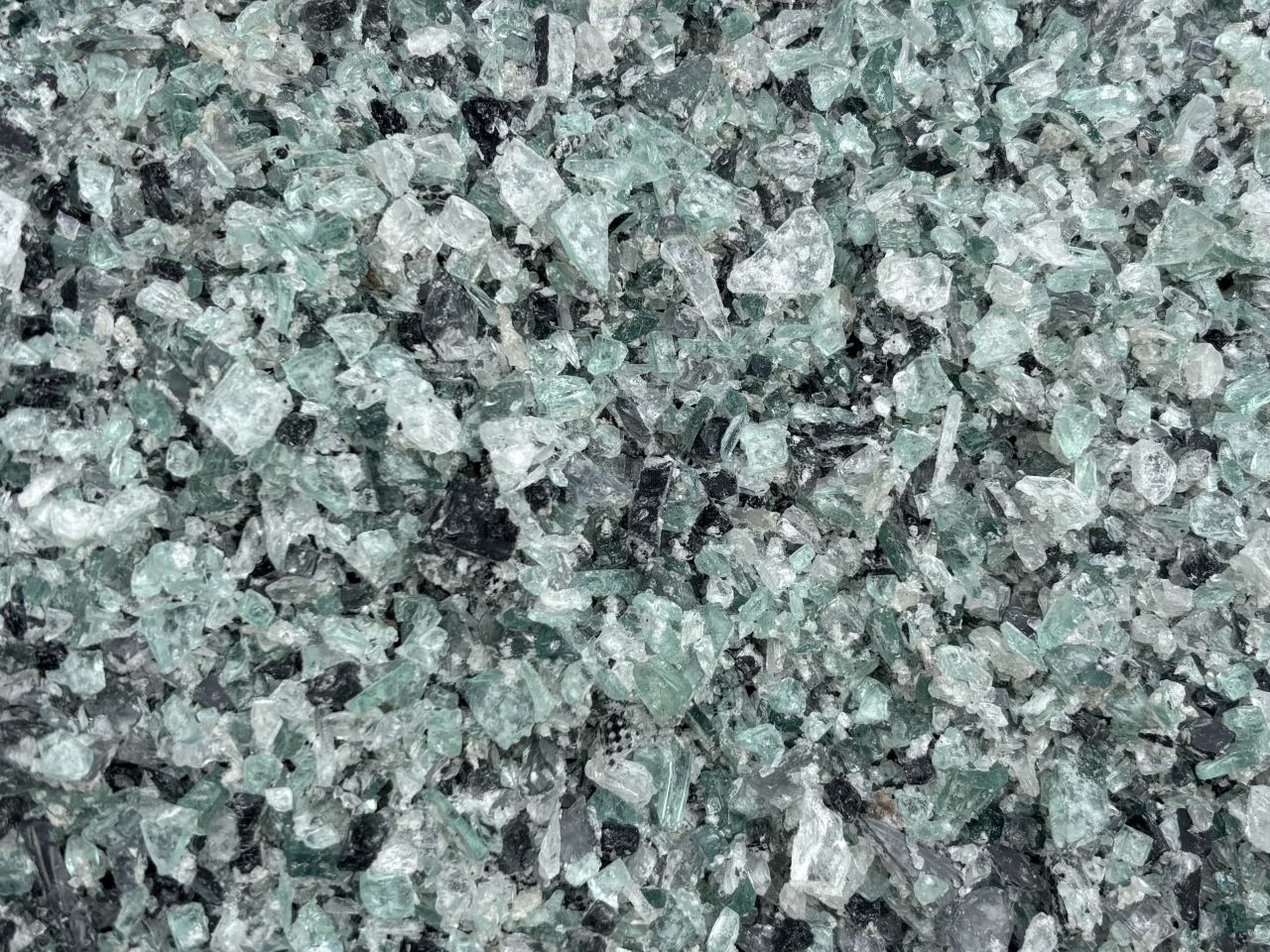
This refined cullet is now being successfully used in AGC’s automotive glass production, including at the Retenice plant in the Czech Republic. Industrial trials confirm that the recycled material integrates seamlessly into existing furnace operations without affecting melt stability, optical quality, or mechanical performance. The resulting automotive glass meets identical safety and durability standards as products manufactured entirely from virgin raw materials. 
AGC reports that, when combined with internal cutting losses and production scrap, the integration of recycled feedstock allows its automotive glass furnaces to exceed a 56% cullet-to-raw-material ratio (based on 2025 operational averages). This represents a substantial reduction in primary raw material demand and energy consumption across the melting process.
From an environmental perspective, the benefits are quantifiable. Each ton of cullet used in production reduces CO₂ emissions by up to 0.7 tons and displaces approximately 1.2 tons of virgin raw materials such as silica sand, soda ash, and limestone. In 2025 alone, AGC integrated tens of thousands of tons of pre-consumer automotive cullet across its European processing network, coordinated through production sites in Chudeřice, Tatabánya, and Koszalin.
The next phase of development targets scale and feedstock expansion. AGC aims to industrialize the collection and recycling of more than 300,000 pre-consumer windshields annually by 2026, with the longer-term objective of incorporating post-consumer windshields from repair networks and end-of-life vehicles. This would significantly increase available circular material streams across Europe.
Source: AGC Glass Europe with additional information added by Glass Balkan