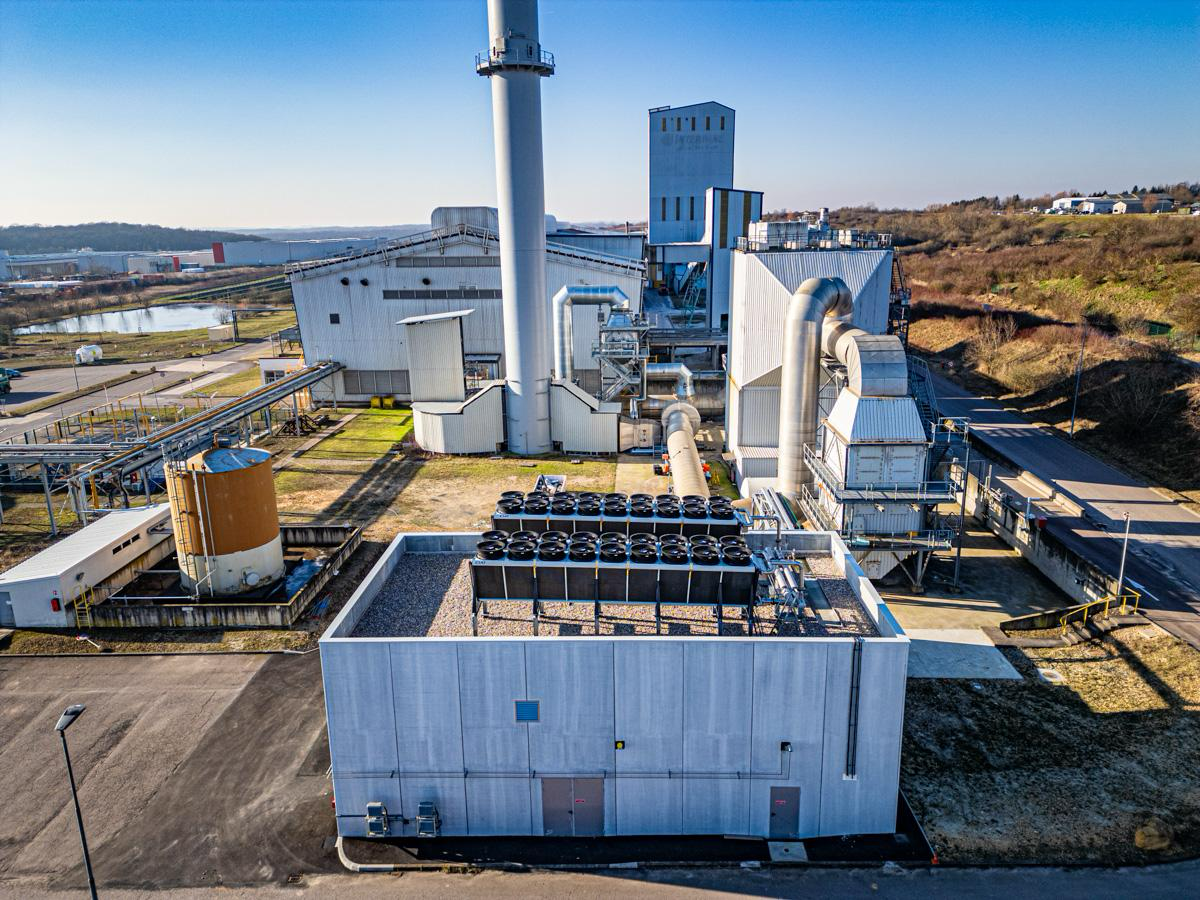
AGC Glass Europe has taken a significant step toward decarbonising flat glass manufacturing with a major energy transition project at its float glass plant in Seingbouse. The initiative combines waste-heat recovery and large-scale solar power generation, reducing the site’s carbon footprint while strengthening long-term energy security.
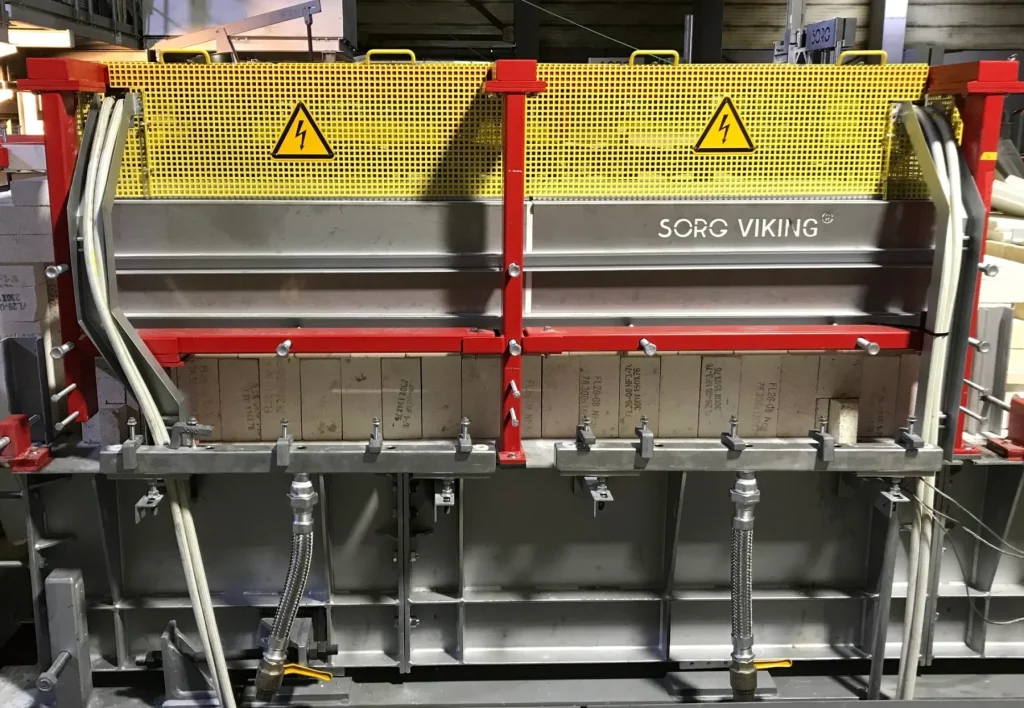
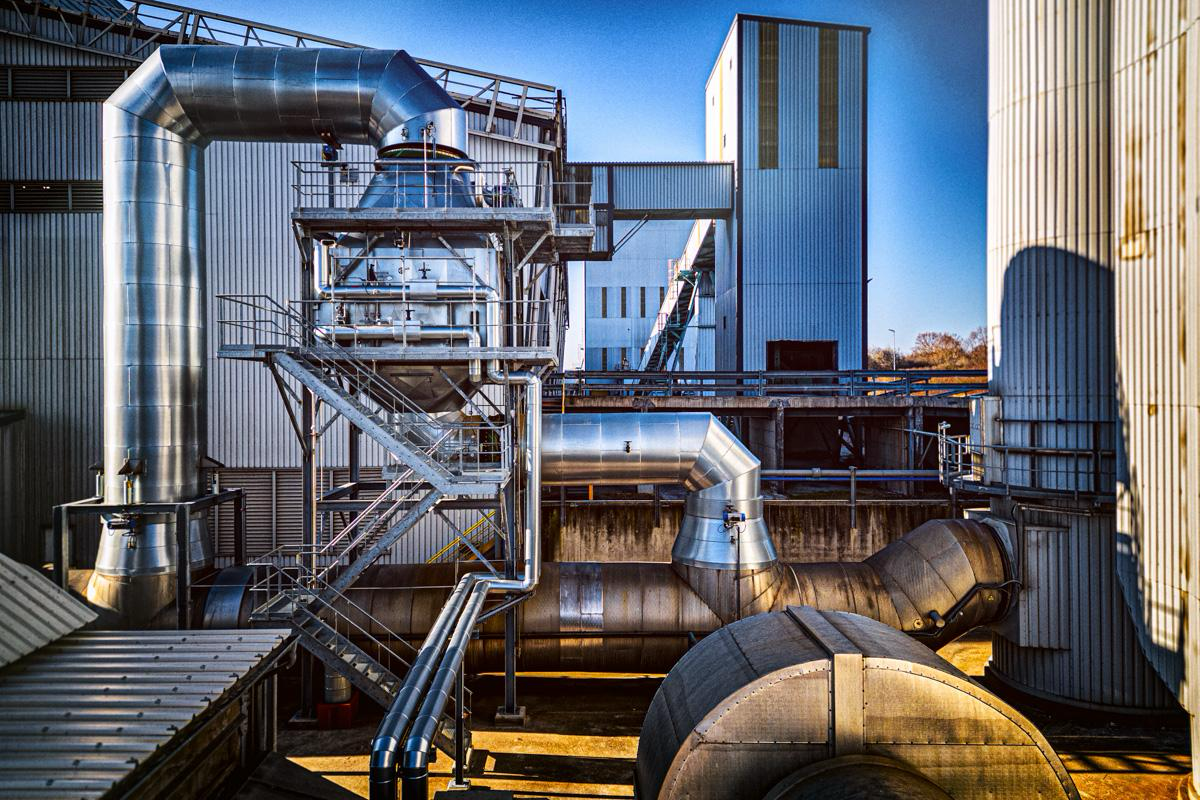
At the core of the project is a 1.3 MW Organic Rankine Cycle (ORC) system, developed in partnership with E.ON, which captures residual heat from the glass manufacturing process and converts it into CO₂-neutral electricity. This technology enables AGC to reuse energy that would otherwise be lost, improving overall efficiency without altering production quality.
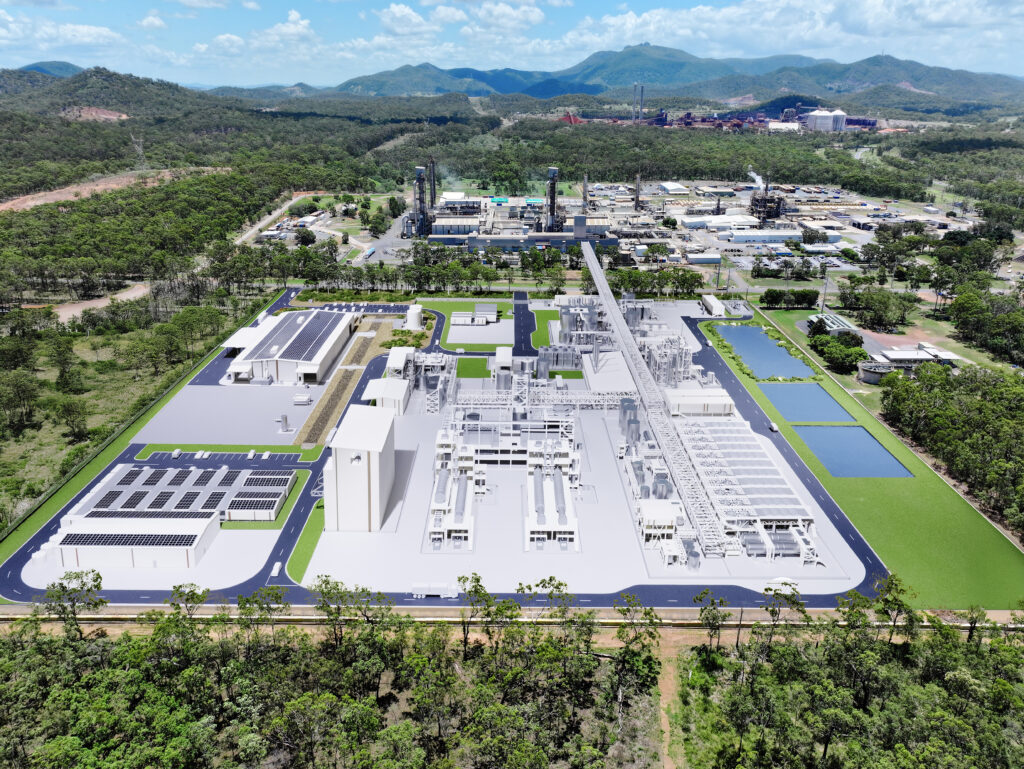
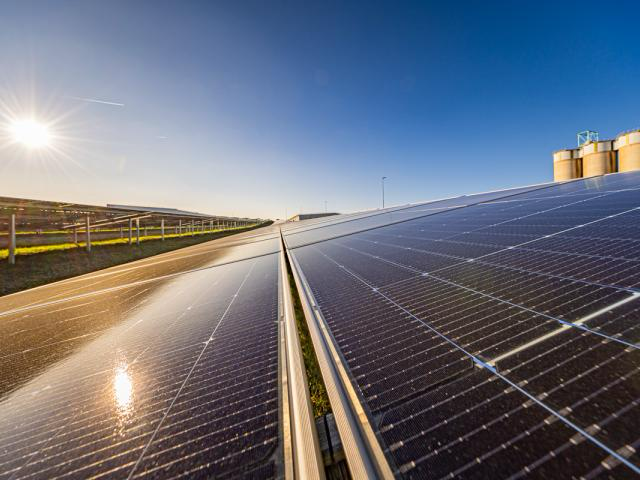
In parallel, AGC has installed an extensive photovoltaic power plant covering 27,000 m² across the factory’s premises. A first solar installation of 2.7 MWc was completed in 2024, followed by a second 5.1 MWc system that became operational at the beginning of 2026. Together with the ORC unit, these systems generate approximately 15 GWh of decarbonised electricity per year, supplying a substantial share of the site’s energy demand.
The project is structured as a long-term Power Purchase Agreement (PPA), under which E.ON financed, built, and operates the installations, selling the electricity to AGC at a fixed price. This model eliminates upfront investment for AGC while protecting the plant from energy price volatility. 
Supported by the French government under the France Relance programme and operated by ADEME, the Seingbouse project builds on a long-standing AGC–E.ON collaboration and demonstrates how industrial glass manufacturing can combine competitiveness with measurable emissions reduction, avoiding around 900 tonnes of CO₂ annually.
Source: AGC with additional information added by Glass Balkan