The glass-processing industry is entering a new era in which machinery is being judged by far more than production speed. Precision, automation, energy efficiency, flexibility, digital connectivity and the ability to process increasingly complex glass products are becoming the defining characteristics of advanced equipment.
From intelligent tempering furnaces and high-speed cutting tables to automated IG lines, CNC centres and specialist lamination systems, the latest machinery is transforming how glass is manufactured.
1. High-Speed Cutting and Material Optimisation
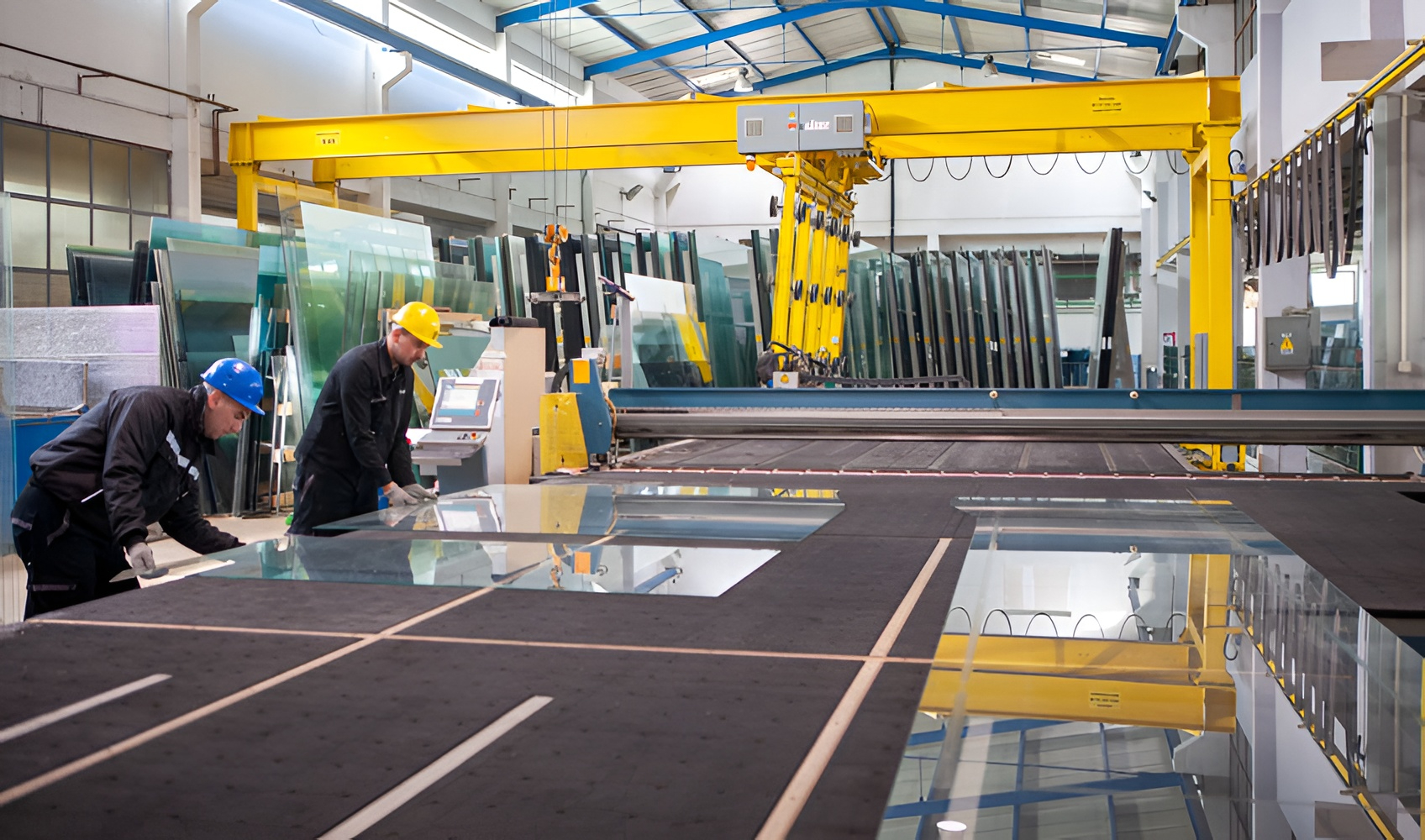
Modern cutting tables are designed to maximise sheet utilisation while maintaining extremely high positional and cutting accuracy. Advanced systems combine automatic optimisation, electronic cutting-pressure control, automatic breakout and robotic handling.
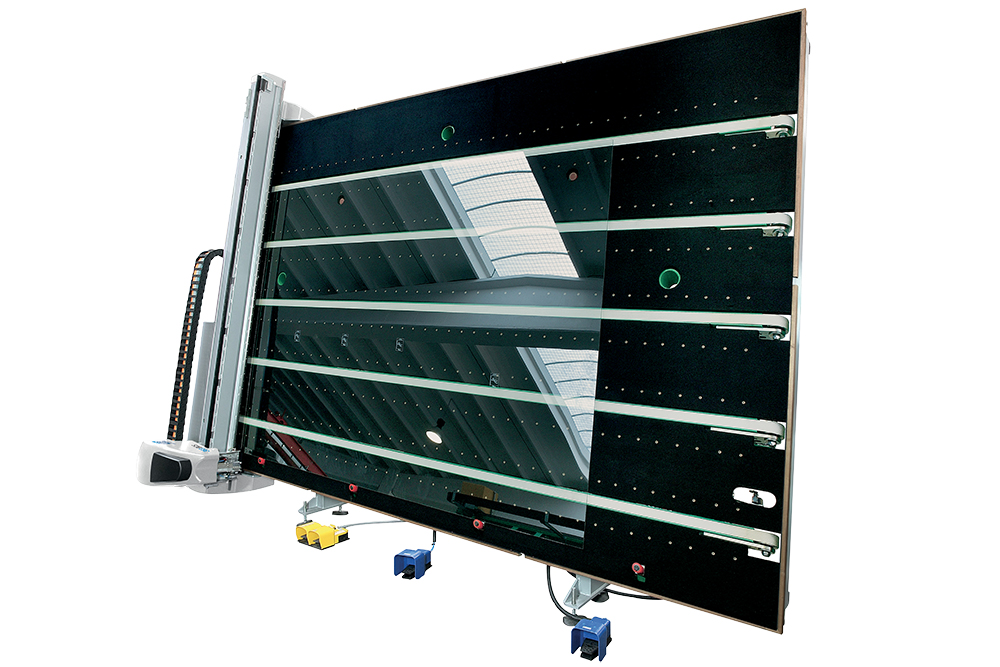
Bottero’s 363 EVO, for example, reaches a maximum cutting-bridge speed of 160 m/min, with carriage speeds up to 200 m/min. It processes standard glass from 2–19 mm, with options up to 25 mm, and the Jumbo configuration can handle sheets up to 6,100 × 3,355 mm. The next development is connecting cutting directly with storage and production planning, reducing both waste and manual handling. 
2. Intelligent Tempering Furnaces
Tempering furnaces are becoming increasingly intelligent. Instead of relying entirely on operators to determine heating and cooling parameters, new systems use AI-assisted batch optimisation, automatic loading, convection control, infrared scanning and online quality monitoring.
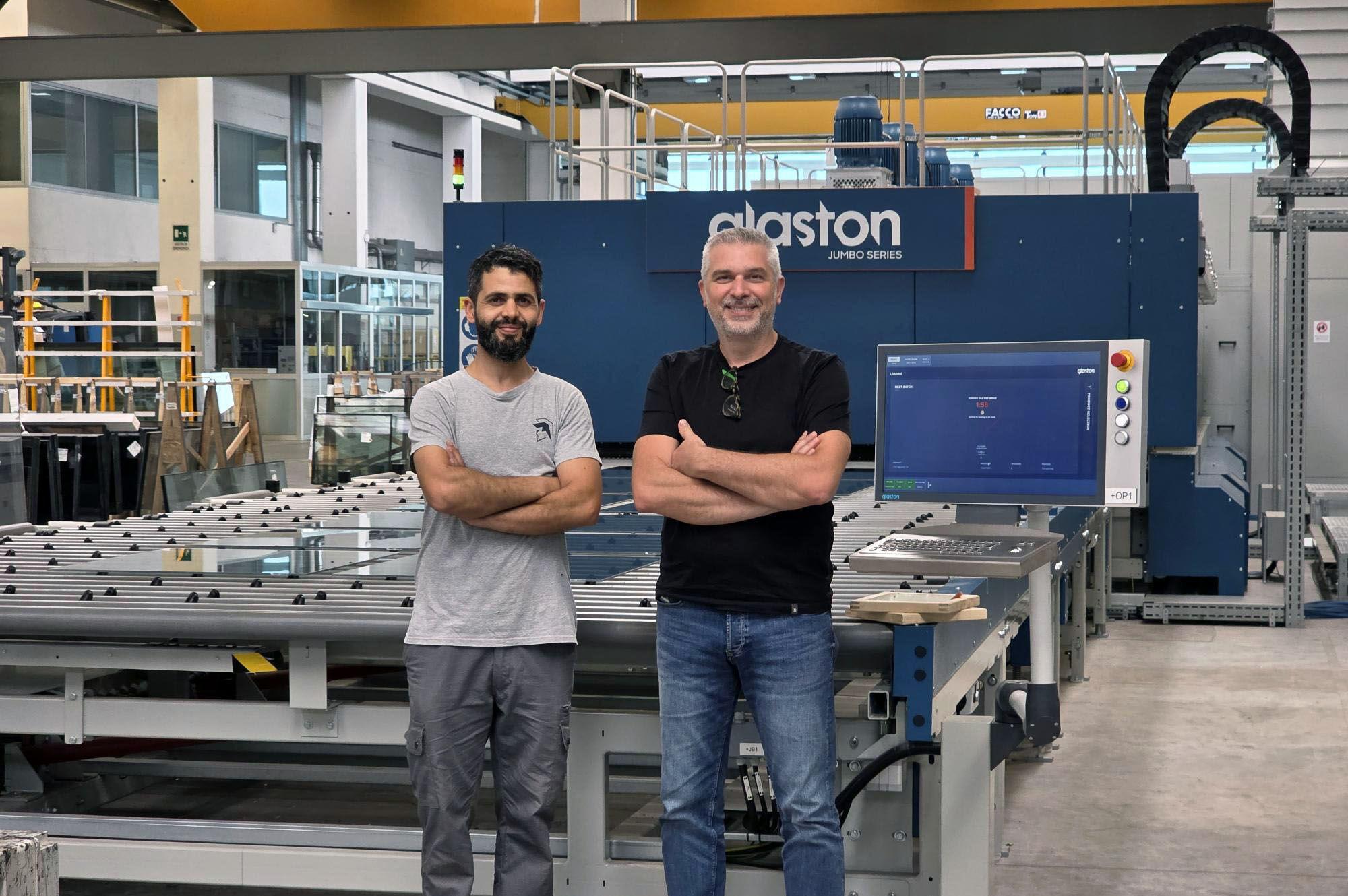
Glaston’s AI Batch Optimizer and robotised loading technology are designed to improve furnace-bed utilisation while reducing idle time and energy consumption. Its Online Stress Calculation (OSC™) provides information about surface stress and mid-pane tension, while technologies such as automatic infrared scanning and online glass-quality control extend monitoring beyond the furnace itself.
3. Automated Insulating-Glass Lines
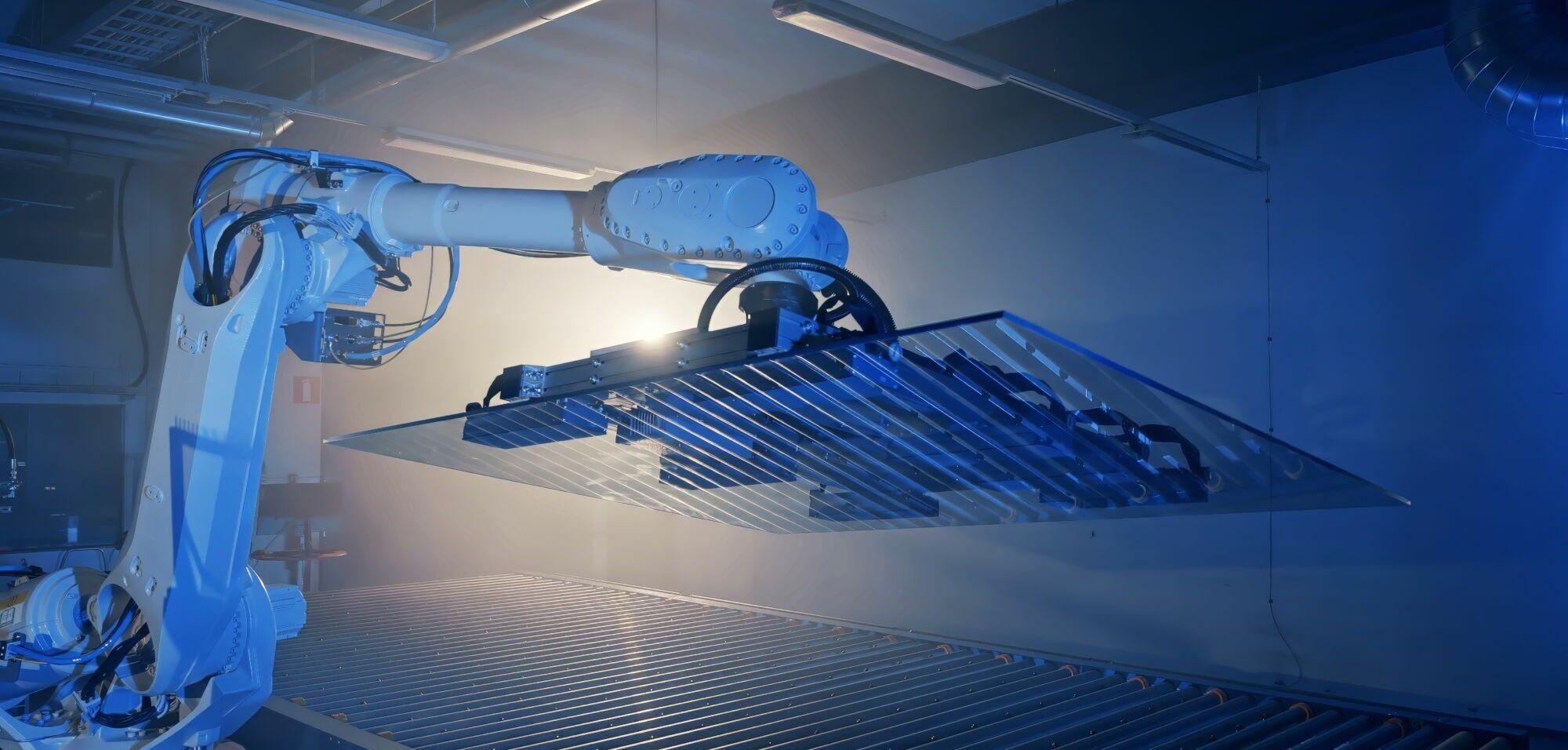
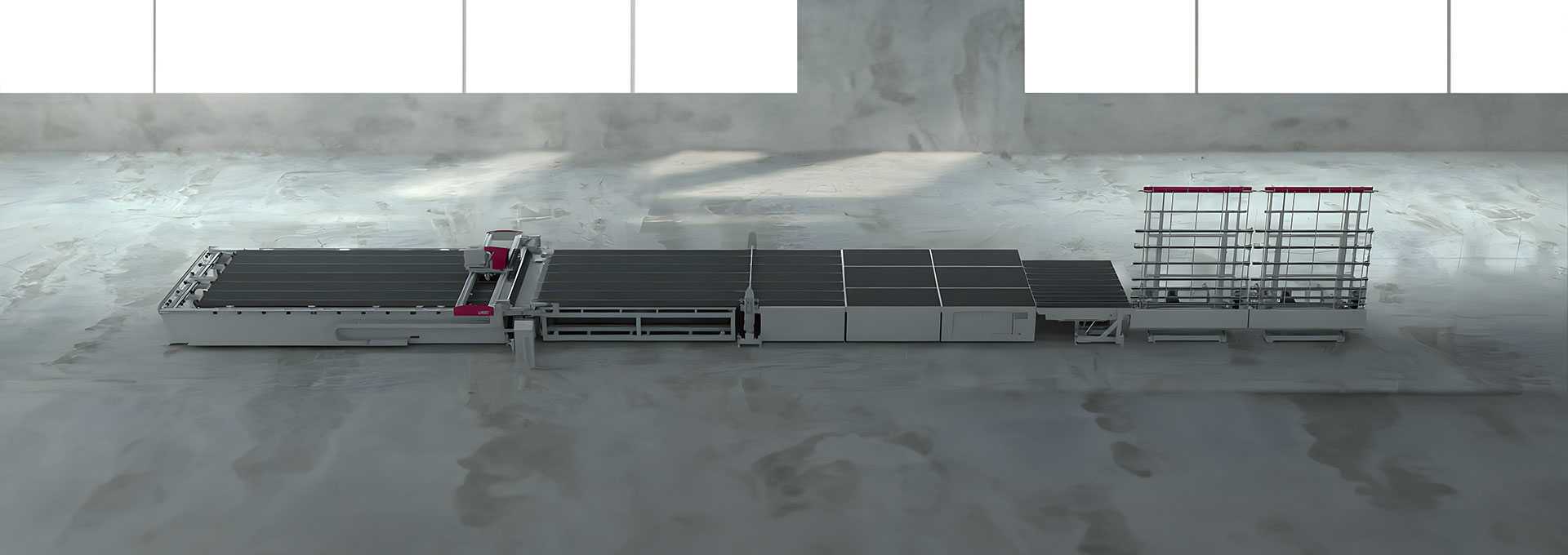
Modern IG production lines increasingly combine glass positioning, spacer application, pressing, gas filling, sealing, inspection and sorting into one automated workflow.
LiSEC’s ARS-TBX/Y/Z automatic breakout system can reach 240 sheets per hour, while its automated systems connect cutting, logistics and IG production. The system can also feed finished sheets to robotic unloading or sorting buffers.
Forel is another important example, particularly in automated production using thermoplastic spacers (TPS) alongside conventional rigid spacer systems. This flexibility allows processors to manufacture different IGU configurations on the same production platform.
4. CNC Glass Processing Centres
CNC technology is increasingly replacing multiple individual processing stages with multifunctional production centres.
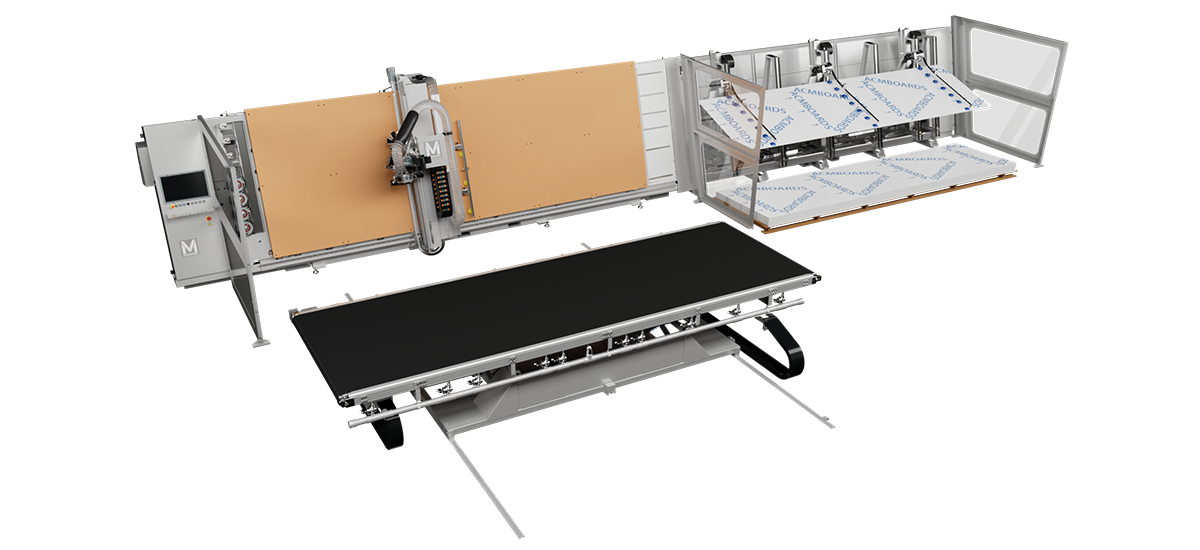
Modern CNC machinery can combine drilling, milling, grinding, polishing, edging, countersinking and shaped processing. Automatic tool changing and intelligent vacuum handling allow manufacturers to move between different shapes and specifications with significantly less setup time. This is particularly important for architectural glass, where customised façades frequently require holes, cut-outs, notches and non-standard geometries.
5. Advanced Lamination Machinery
Lamination machinery is also moving beyond conventional heating systems. One notable development is multi-level and directed-air heating technology.
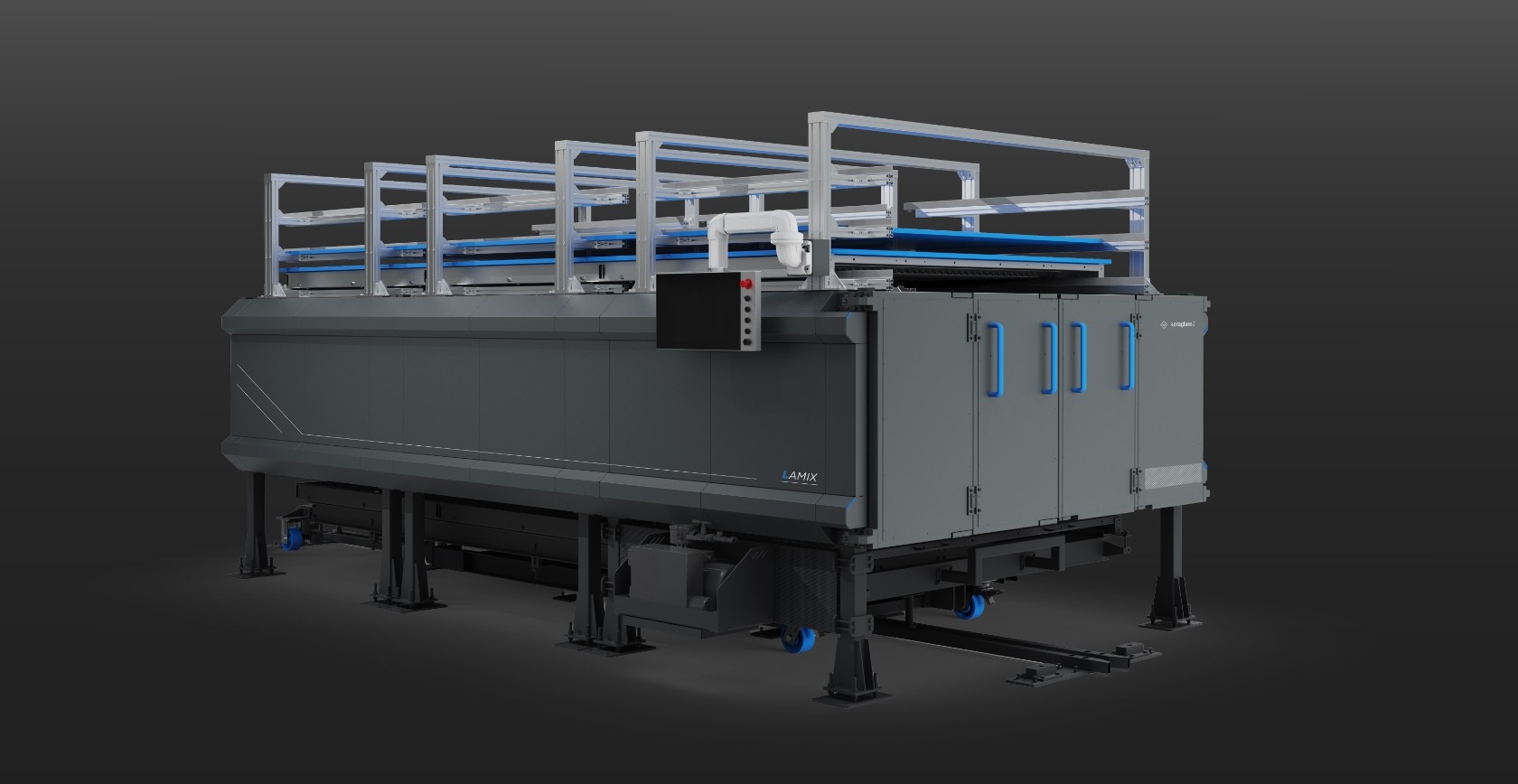
Keraglass’ new LAMIX multi-level kiln is available in sizes including 2,100 × 4,500 mm and 2,500 × 4,500 mm. It uses controlled heating and vacuum technology and can process flat and curved laminated glass. Beyond lamination, it can also be used for drying screen-printed glass and other materials and for rapid cooling. Its AIR STREAM system goes further with directed hot-air circulation that automatically reverses during the cycle, helping maintain uniform thermal distribution. It can process interlayers including EVA, PVB, SGP and PET and accommodate up to three trolleys in one chamber.
6. Ultra-Thin and Speciality Glass Processing
One of the most technically demanding developments is machinery capable of processing ultra-thin glass.
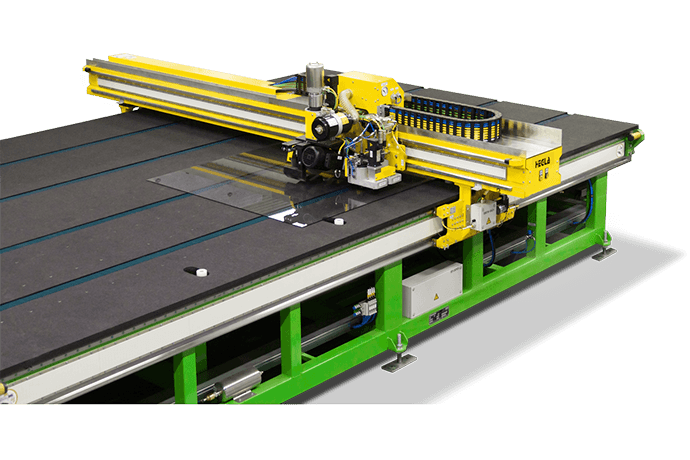
HEGLA’s Galactic TG can process glass down to approximately 0.5 mm, enabling thin glass to be used as the central pane in slim triple IG units. Specialised electromagnetic linear drives and automated handling address the greater fragility of thin material. This technology is particularly relevant as manufacturers seek lighter glazing solutions without sacrificing the thermal performance associated with triple glazing.
7. The Hidden Technology: Software, Vision and Data
The most important machinery developments may not always be visible. Machine vision, predictive maintenance, production data, digital twins, AI optimisation and MES/ERP connectivity are turning individual machines into connected production systems. A five-star machine should therefore not only produce accurately; it should measure, communicate, learn from production data and remain upgradeable.
This is also why the second-hand machinery market is becoming increasingly interesting. Equipment does not necessarily lose its industrial value simply because it is pre-owned. A well-maintained machine with modern controls, software and available upgrade paths can remain highly productive.
For companies looking to buy or sell such equipment, GlassBalkan Marketplace provides a dedicated industry platform where glass, aluminium and façade companies can advertise second-hand machinery and production equipment to a specialised professional audience.