As the construction industry faces mounting pressure to reduce carbon emissions and conserve natural resources, urban mining is emerging as a practical solution for creating a more circular built environment. Rather than viewing existing buildings as waste at the end of their lifecycle, urban mining treats them as valuable reservoirs of reusable materials, helping to reduce reliance on virgin raw resources while supporting sustainable construction practices.
Aluminium has become one of the most important materials within this transition. Thanks to its unique properties, aluminium can be recycled repeatedly without any loss of performance or quality. Industry estimates suggest that approximately 75% of all aluminium ever produced remains in use today, highlighting its long-term value within a circular economy.
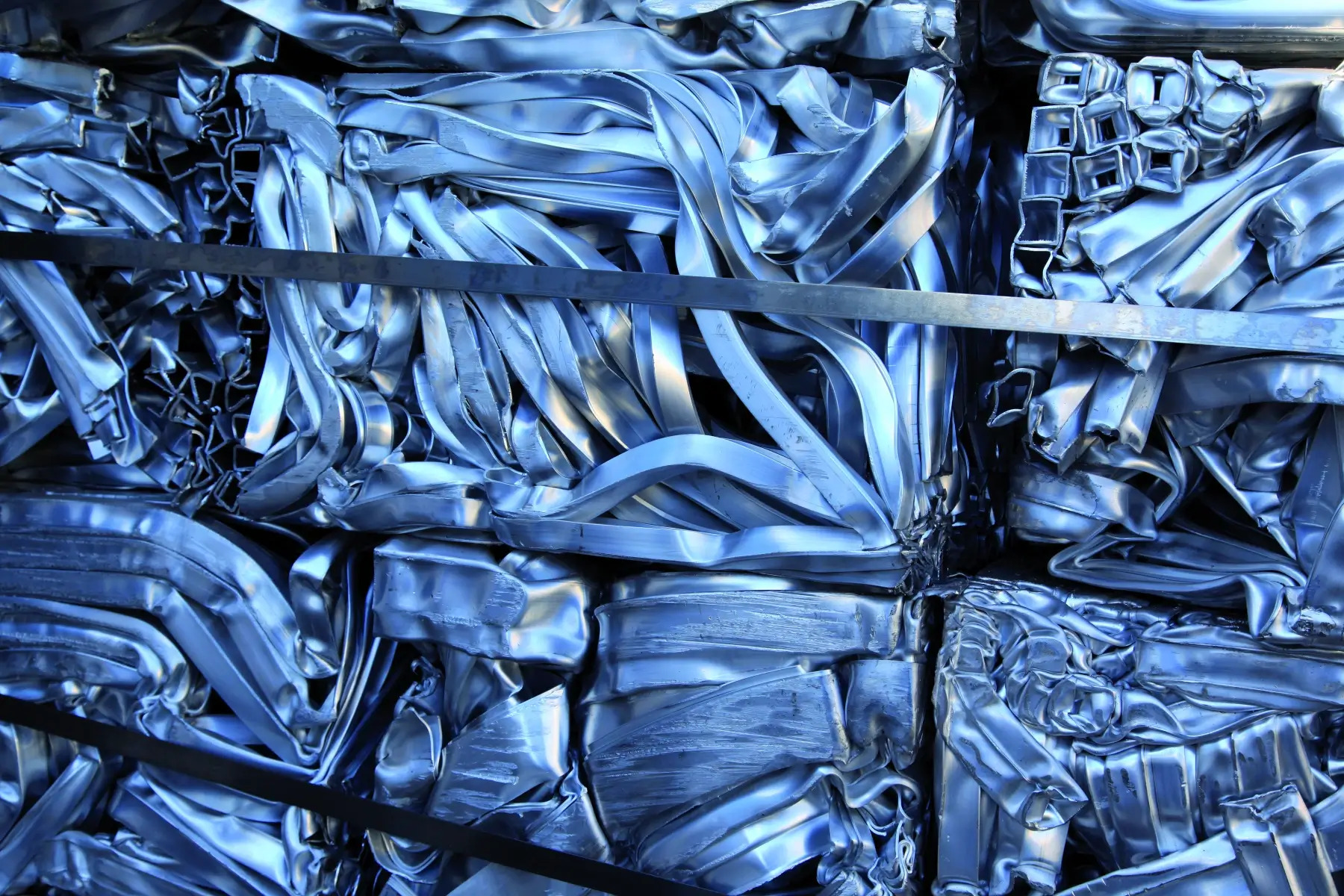
Aluprof has integrated urban mining principles into its production strategy by increasing the use of recycled aluminium in the manufacture of architectural systems. The company’s parent organisation, Grupa Kęty, operates one of Poland’s largest and most advanced aluminium recycling facilities. In 2025 alone, the foundry remelted 36,629 tonnes of aluminium scrap, transforming post-consumer and pre-consumer waste into high-quality billets used for modern window, door, façade and sun-shading systems.
The environmental benefits are significant. Producing secondary aluminium requires only around 5% of the energy needed for primary aluminium production, while reducing water consumption by 95% and cutting dust and gaseous emissions by approximately 90%. These efficiencies not only lower environmental impact but also improve cost competitiveness across the supply chain. 
To meet growing demand for low-carbon building materials, Aluprof has developed specialised aluminium profile ranges with a high recycled content. Its Ultra Low Carbon billets achieve emissions of just 1.24 kg CO₂e per kilogram and contain 85% post-consumer recycled aluminium. The company’s Low Carbon variant delivers emissions of 2.9 kg CO₂e per kilogram, well below the European average of 6.6 kg CO₂e, while incorporating 65% recycled content.
Urban mining is also influencing architectural design. A notable example is the new façade planned for Aluprof’s headquarters in Bielsko-Biała, designed by architect Przemo Łukasik of Medusa Group. The project will utilise aluminium profiles recovered from production surpluses, demonstrating how recycled materials can serve as both functional building components and visible symbols of responsible construction.
Source: Aluprof with additional information added by Glass Balkan