Across the global construction supply chain, aluminium production and glass manufacturing, façade engineering and building envelope technologies, women are increasingly playing a critical role in shaping the industry’s future. While these sectors have historically been male-dominated, the growing presence of women in technical, operational and leadership roles is contributing to stronger, more innovative and resilient industrial ecosystems.
In the aluminium industry, women today work across the entire value chain, including raw materials procurement, process engineering, plant operations, environmental health and safety, automation systems and advanced smelting technologies. In large-scale smelters and processing facilities, specialists oversee complex production processes such as carbon electrode manufacturing, furnace operations, and process optimisation, ensuring efficiency, safety and product quality.

Beyond heavy industrial operations, women are also leading in areas such as operations management, logistics coordination and global supply chain procurement, helping manufacturers optimise resources and manage international production networks. Their contributions extend to digital transformation and Industry 4.0 technologies, where advanced automation, instrumentation and data-driven process control are becoming essential to modern aluminium production.
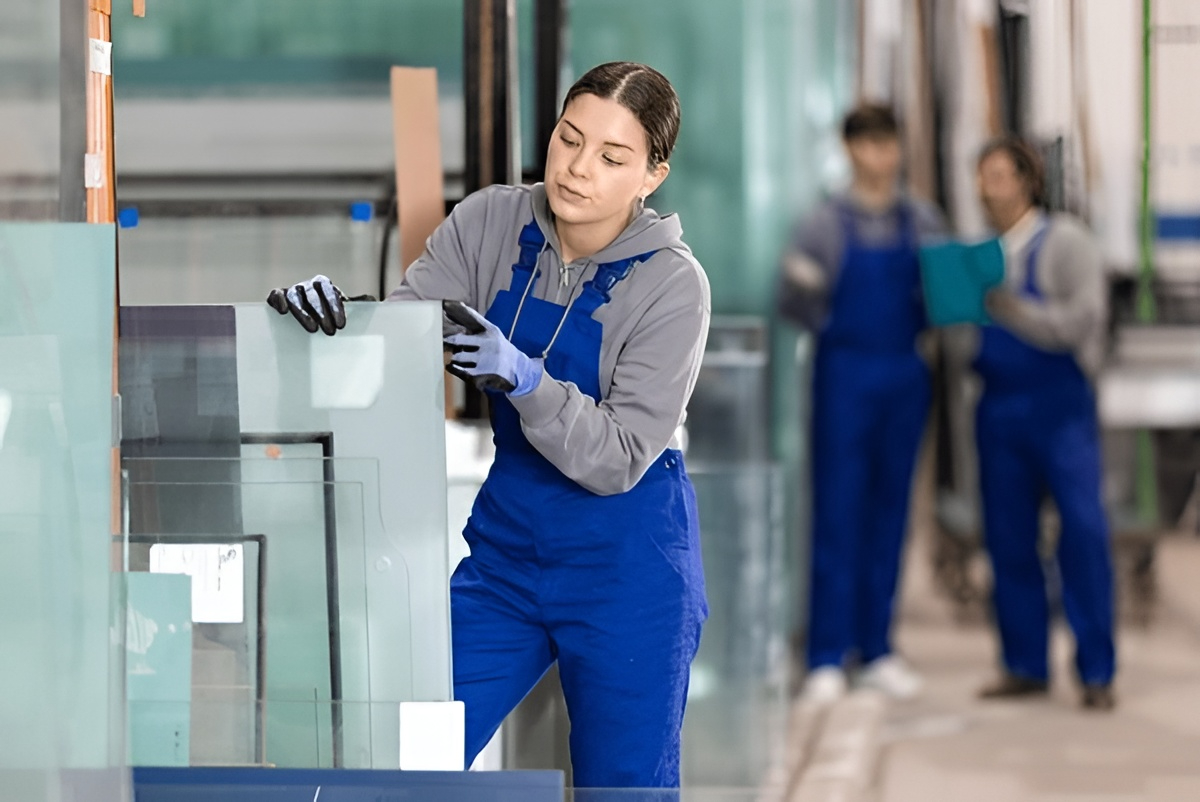
The impact is also visible across the glass, façade and fenestration industries, where multidisciplinary teams combine engineering, architecture, manufacturing and sustainability expertise. Women are increasingly active in façade design, glazing technologies, manufacturing operations, sustainability consulting and project management, fields that are becoming more interconnected as buildings demand higher energy performance and more complex building envelopes. 
Industry leaders frequently emphasise that diversity is not only a social objective but also a strategic advantage. Teams that include diverse perspectives tend to improve problem-solving, encourage innovation and support better decision-making across complex technical environments.these industries.
Despite this progress, women still represent a relatively small percentage of the overall construction workforce, particularly in site-based and trades roles.
One event supporting these efforts is Women in Construction 2026, scheduled to take place on April 9, 2026 in Mississauga, Ontario. The event will bring together professionals from across construction and the trades for a morning of panel discussions, networking sessions and industry dialogue focused on inclusion, professional development and workplace culture.
Source: Glass Balkan